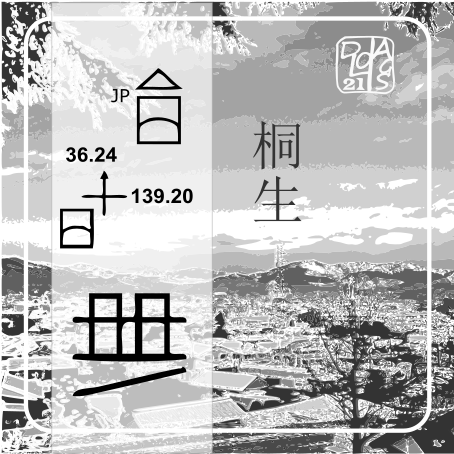
Located in Gunma Prefecture, the city of Kiryu 桐生 is often associated with a long tradition of textile production. Its development is linked to a combination of geographical, economic, and technical factors that fostered the emergence of a major production center. For centuries, the skills involved in spinning, dyeing, and weaving have formed an essential part of its identity. However, Kiryu is not merely defined by its artisanal specialization. The city illustrates how a community can build its reputation on mastery of a craft. Its history also attests to the ability of regions to integrate innovations while preserving ancient legacies. Like other textile cities around the world, it has had to navigate industrialization, international competition, and changing fashion trends. Kiryu thus serves as a particularly fascinating case study of the relationship between heritage and adaptation. Its history reflects several centuries of economic and cultural transformation in Japan.Lire la suiteKiryu
Pantopique : Japon
Un pantopique correspond à la réunion de quelques repères, plus ou moins nombreux, que vous pouvez commenter, compléter, étendre, selon vos propres champs d’expériences, de savoirs, d’enquêtes… - contact@21dialogues21.org
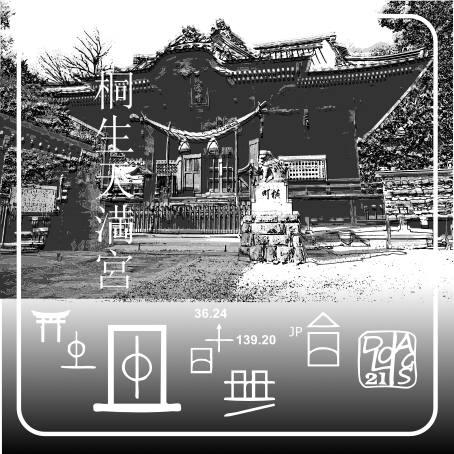
Kiryu-Tenmangū Shrine (桐生天満宮) is a branch of Kyoto/Kitano Tenmangū Shrine and one of the five major shrines in the Kanto region, where it serves as the guardian shrine of the city of Kiryu. This shrine has a long history. According to its records, it was built to worship the deity Amano Hohi no Mikoto, before later becoming a Tenmangu dedicated to the deity Sugawara no Michizane at the beginning of the Northern and Southern Courts period. (…) Furthermore, although Tenmangu is commonly known as the “god of learning,” the blessings of this shrine are not limited to that alone. Kiryu, whose scenic beauty has long been renowned, occupies an ideal location from a feng shui perspective. In other words, this place can be described as a kind of spiritual epicenter. In accordance with feng shui practices, the main shrine houses the four gods Seiryu, Byakko, Suzaku, and Genbu, positioned respectively in the east, west, south, and north. Their many blessings, drawn from the energy of heaven and earth, include business prosperity, family well-being, good health, happiness, and fortune, as well as protection from disasters.Lire la suiteKiryu-Tenmangū (Kiryu)
Before a fabric can be woven, it must first be conceived. The zuanka 図案家, or pattern designer, occupies a unique position in the Japanese textile industry. Their work consists of creating designs that are then translated into threads, colors, and weaving structures. They operate at the intersection of art and industry. The designer must understand the technical constraints of the craft while remaining attentive to changing tastes. Their creations respond to commercial demands but also contribute to the invention of new aesthetics. In certain periods, the best designers exert an influence comparable to that of contemporary fashion designers. Their work reveals the importance of imagination in an activity often perceived as purely artisanal.Lire la suitezuanka
Vous pouvez compléter, modifier, améliorer cette indéfinition ou en proposer une autre au regard de vos savoirs, langages, pratiques, histoire… qu’elle soit formulée sur un mode scientifique, culturel, poétique… contact@21dialogues21.org
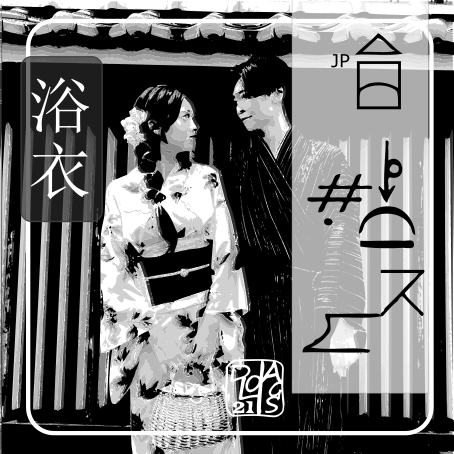
The yukata 浴衣 is a Japanese garment that is often associated today with summer festivals and leisure time, although its history is more complex. Originally, it was a lightweight garment worn after bathing. Its popularity stems from a combination of comfort, simplicity, and elegance. Unlike some more formal garments, the yukata allows for great freedom in patterns and colors. Its development has helped support numerous textile industries across Japan. The fabrics used for yukata often reflect the evolving aesthetic tastes of a given era. Flowers, waves, geometric patterns, and seasonal motifs make up a particularly rich visual vocabulary. The yukata is an excellent example of a garment where everyday use and artistic creation intersect. Studying it allows us to explore the relationships between textiles, climate, and social interaction.Lire la suiteyukata
Vous pouvez compléter, modifier, améliorer cette indéfinition ou en proposer une autre au regard de vos savoirs, langages, pratiques, histoire… qu’elle soit formulée sur un mode scientifique, culturel, poétique… contact@21dialogues21.org
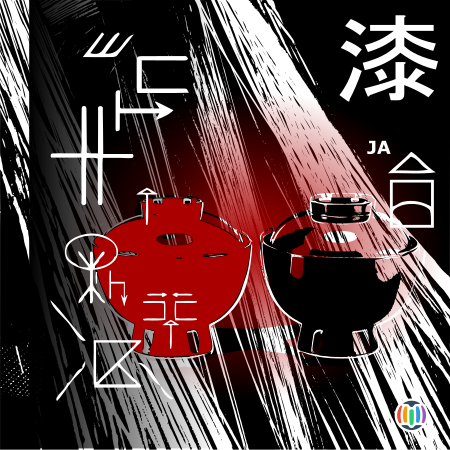
L’urushi 漆 est une laque naturelle traditionnelle au Japon [pratiquée également sous des formes diverses par ex. en Chine ou en Corée]. Elle est produite à partir de la sève de l’arbre d’urushi, également connu sous le nom d’arbre à laque (Toxicodendron vernicifluum). Elle sert à magnifier des bols, des plateaux, des boîtes, des ustensiles de cuisine, des instruments de…Lire la suiteurushi
Vous pouvez compléter, modifier, améliorer cette indéfinition ou en proposer une autre au regard de vos savoirs, langages, pratiques, histoire… qu’elle soit formulée sur un mode scientifique, culturel, poétique… contact@21dialogues21.org
The orimono donya (織物問屋), or textile merchant, played a central role in the textile economy. Unlike the weaver, he generally did not produce the fabrics himself. His role was to organize the flow of goods, finance production, and connect workshops with urban markets. During the Edo period and later in the Meiji era, these merchants often served as the true orchestrators of the local textile system. They commissioned designs, provided capital, selected raw materials, and ensured sales in major consumer centers. The most prosperous built grand residences and participated in local public life. They embodied a form of commercial capitalism based as much on market knowledge as on risk management.Lire la suiteorimono donya
Vous pouvez compléter, modifier, améliorer cette indéfinition ou en proposer une autre au regard de vos savoirs, langages, pratiques, histoire… qu’elle soit formulée sur un mode scientifique, culturel, poétique… contact@21dialogues21.org
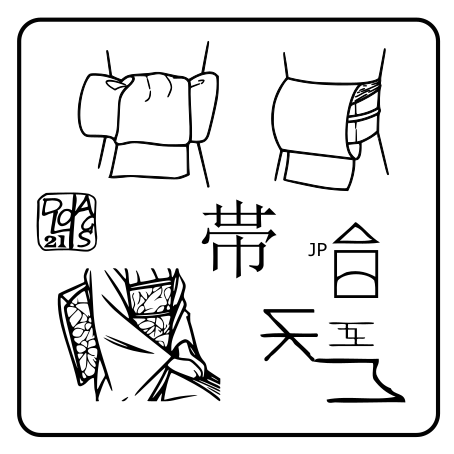
The obi 帯 is one of the most sophisticated forms of the sash. Its significance extends far beyond the realm of clothing. Over the centuries, its width, texture, color, and method of tying have signified age, social status, marital status, or even the ceremonial occasion. The knot at the back constitutes a true visual language. The obi is also a space for aesthetic invention where patterns inspired by nature, poetry, the seasons, or beliefs are displayed. It represents an interesting paradox: while it is a constraining element that holds the garment in place, it is also one of the primary vehicles for creativity. In the global history of costume, few objects have concentrated so many social and artistic meanings into a single strip of fabric. Its study opens up themes of weaving, the body, social representation, and the transmission of craftsmanship.Lire la suiteobi
Vous pouvez compléter, modifier, améliorer cette indéfinition ou en proposer une autre au regard de vos savoirs, langages, pratiques, histoire… qu’elle soit formulée sur un mode scientifique, culturel, poétique… contact@21dialogues21.org
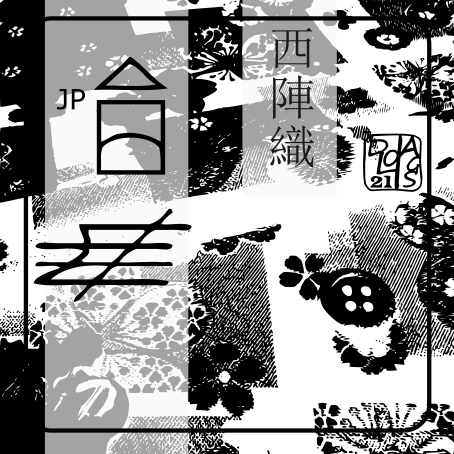
Nishijin-ori 西陣織 is one of Japan’s most prestigious textile traditions. Developed in a historic district of Kyoto, it is distinguished by the richness of its patterns, the complexity of its weaves, and the use of particularly refined threads. For centuries, these fabrics have been associated with ceremonial garments, religious objects, and prestigious accessories. Nishijin-ori artisans often draw on skills passed down through several generations. Each fabric is the result of collaboration between designers, dyers, yarn preparers, and weavers. This collaborative process underscores that great artisanal traditions are rarely the work of a single individual. Nishijin-ori also stands as a remarkable example of the dialogue between conservation and innovation. Traditional techniques continue to be practiced while incorporating new materials and new uses.Lire la suitenishijin-ori
Vous pouvez compléter, modifier, améliorer cette indéfinition ou en proposer une autre au regard de vos savoirs, langages, pratiques, histoire… qu’elle soit formulée sur un mode scientifique, culturel, poétique… contact@21dialogues21.org
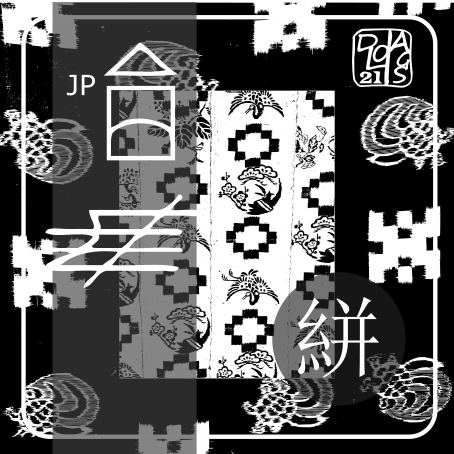
Kasuri 絣 refers to a family of Japanese textiles characterized by slightly blurred, almost vibrant patterns. This effect is not the result of printing or painting applied to the finished fabric, but of work carried out even before weaving begins. Certain sections of the threads are protected during dyeing, so that the designs emerge when the threads are finally assembled on the loom. This technique requires remarkable foresight: the artisan must envision the pattern before the fabric actually exists. Kasuri thus belongs to a long tradition in which textile creation relies as much on planning as on execution. The slight misalignments between the threads are part of its beauty. Where modern industry often seeks geometric perfection, kasuri values a living precision that leaves room for the slightest variation. This aesthetic aligns with certain Japanese conceptions of controlled imperfection. The fabric becomes a space where calculation, chance, and sensitivity meet. Kasuri reminds us that textiles are also an art of time, since their design emerges gradually as the work progresses.Lire la suitekasuri
Vous pouvez compléter, modifier, améliorer cette indéfinition ou en proposer une autre au regard de vos savoirs, langages, pratiques, histoire… qu’elle soit formulée sur un mode scientifique, culturel, poétique… contact@21dialogues21.org
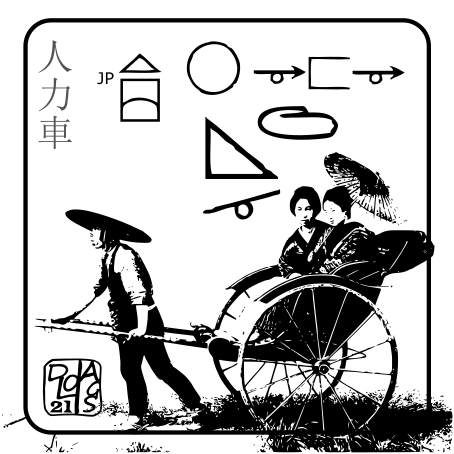
The Japanese word jinrikisha 人力車 literally means “human-powered vehicle.” First appearing in 19th-century Japan, this invention combines two major traditions: human traction and the modern lightweight wheel. The vehicle is pulled or pushed by a person while one or more passengers sit in the back. Its development coincided with the rapid modernization of Japanese cities during the Meiji era. The jinrikisha offered relatively fast mobility in urban areas where motorized infrastructure was still limited. It quickly became a symbol of Asian urban life before spreading to other parts of the world. Its history also raises social questions. Passenger comfort depends directly on the driver’s effort. The vehicle thus reveals economic hierarchies and changes in the nature of work within industrializing societies. Straddling tradition and modernity, the jinrikisha occupies a unique place in the global history of mobility.Lire la suitejinrikisha
Vous pouvez compléter, modifier, améliorer cette indéfinition ou en proposer une autre au regard de vos savoirs, langages, pratiques, histoire… qu’elle soit formulée sur un mode scientifique, culturel, poétique… contact@21dialogues21.org
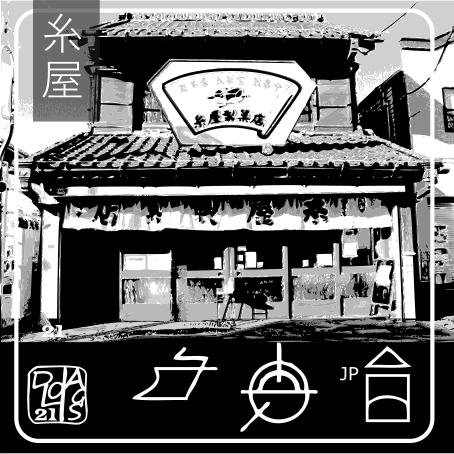
The itoya 糸屋, or thread merchant, plays a vital role but is often less visible than the fabric merchant (orimono donya). In a textile economy, thread is the fundamental resource on which the entire production chain depends. The itoya specializes in the purchase, storage, preparation, and distribution of silk, cotton, and more modern fibers. His trade requires a precise understanding of material quality, price fluctuations, and the needs of workshops. He ensured continuity between raw material producers and weavers. His work reminds us that behind every fabric lies a complex economy of supply and commercial trust.Lire la suiteitoya
Vous pouvez compléter, modifier, améliorer cette indéfinition ou en proposer une autre au regard de vos savoirs, langages, pratiques, histoire… qu’elle soit formulée sur un mode scientifique, culturel, poétique… contact@21dialogues21.org
Catégories
repère(s) :
The dyeing techniques used in Japan demonstrate a remarkable understanding of pigments, fibers, and color-fixing processes. In textile-producing regions such as Kiryu, mastery of dyeing has long been a decisive economic advantage. Colors are not merely a matter of aesthetics. They often carry social, seasonal, or symbolic meanings. Certain hues were once reserved for specific social classes. Others were sought after for their rarity or prestige.Lire la suite
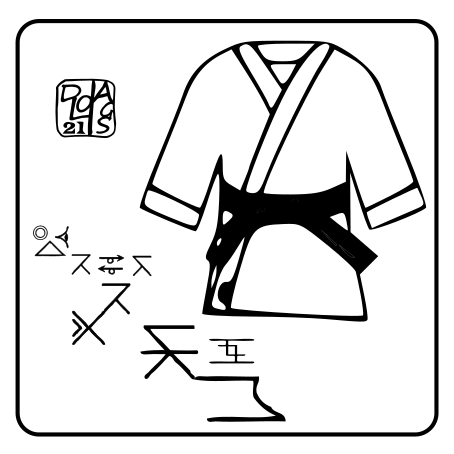
The martial arts belt retains its practical function of holding the uniform in place, while also taking on educational and symbolic significance. In disciplines such as judo, karate, and aikido, the color of the belt indicates the practitioner’s level of progress. This relatively recent system has become one of the most recognizable symbols of the transmission of martial arts knowledge. The belt represents a journey rather than a definitive status. It serves as a reminder that knowledge is built step by step, within the relationship between teacher and student. Its significance extends far beyond the realm of sports. In many countries, it has become a universal symbol of learning grounded in effort, discipline, and perseverance. The martial arts belt thus demonstrates how a simple piece of fabric can become a visible sign of inner transformation.Lire la suiteceinture (arts martiaux)
Tanaka Shōzō (田中正造, 1841–1913) est un homme politique et militant japonais, souvent considéré comme le premier écologiste du Japon moderne. Député durant l’ère Meiji, il est célèbre pour son combat contre la pollution provoquée par la mine de cuivre d’Ashio, symbole de la tension entre industrialisation et justice environnementale. Fils d’un chef de village, Tanaka devient lui-même chef de sa…Lire la suiteTanaka Shōzō
Fondée par Pierre le Grand en 1703 sur les bords de la Néva, Saint-Pétersbourg (Санкт-Петербург / 60° N – 30° E) devient la capitale de l’Empire russe jusqu’en 1918. Symbole de la modernisation impériale, la ville accueille l’élite intellectuelle et artistique de Russie (Pouchkine, Dostoïevski, Tchaïkovski). Elle joue un rôle central dans la révolution de 1917. Appelée Petrograd, puis Leningrad…Lire la suiteSaint-Pétersbourg
Fondée en 1781 par des colons espagnols sous le nom de El Pueblo de Nuestra Señora la Reina de los Ángeles, Los Angeles (34° N – 118° O) devient américaine en 1848 après la guerre américano-mexicaine. Elle connaît une croissance explosive au XXe siècle grâce au pétrole, à l’aéronautique et surtout à Hollywood, berceau mondial du cinéma dès 1910. Métropole…Lire la suiteLos Angeles
Créé en 1872, ce complexe historique séricicole et de filature de la soie se situe dans la préfecture de Gunma, au nord-ouest de Tokyo. Construit par le gouvernement, avec des machines importées de France, il se compose de quatre sites qui correspondent aux différentes étapes de la production de soie grège : élevage des cocons dans une ferme expérimentale ; site de stockage des graines (œufs des vers à soie) dans des caves à température constante ; dévidage des cocons et filature de la soie grège en usine ; magnanerie-école pour la diffusion des connaissances séricicoles. Le site illustre la volonté du Japon d’accéder rapidement aux meilleures techniques de la production de masse et il a été un élément décisif du renouveau de la sériciculture et de la soierie japonaise dès le dernier quart du XIXe siècle. Il témoigne de l’entrée du pays dans le monde moderne industrialisé. Le Japon va devenir le leader de la production séricicole et le premier exportateur mondial, notamment vers la France et l’Italie.Lire la suiteFilature de soie de Tomioka et sites associés
Catégories
Conservation et à la transmission de l’architecture en bois au Japon



2020
[Architecture japonaise 日本建築, Nihon kenchiku]
La conservation et la transmission de l’architecture en bois au Japon consiste en un ensemble de savoir-faire, techniques et connaissances traditionnels. Près de soixante-dix pour cent du territoire japonais est recouvert de forêts. Par conséquent, le bois est utilisé dans les maisons depuis plusieurs siècles. De fait, la structure en bois la plus ancienne au monde et encore existante est le temple Horyu-ji, construit au début du septième siècle. Parmi les dix-sept savoir-faire décrits dans le dossier de candidature, on peut citer notamment l’enduit sakan, la récolte d’écorce de cyprès japonais, la peinture à la laque de structures traditionnelles et la production de tatamis (revêtement de sol). Jusqu’au dix-neuvième siècle, les maîtres-artisans formaient leurs apprentis et leur transmettaient les connaissances et les savoir-faire traditionnels pour en faire leurs successeurs. Cependant, la modernisation a rendu ce processus plus difficile et cela a entraîné la création d’associations de préservation. Les connaissances incluent les techniques permettant de bâtir de nouvelles structures mais aussi de restaurer les bâtiments existants… (…)Lire la suiteConservation et à la transmission de l’architecture en bois au Japon
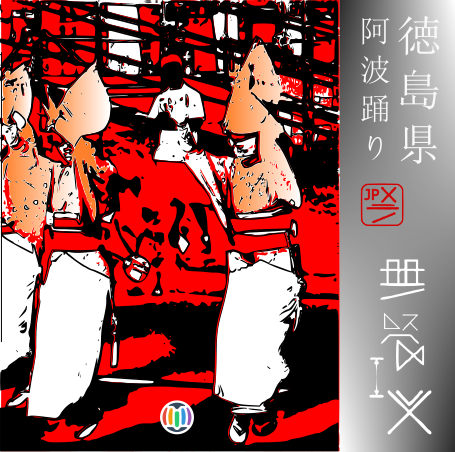
Awa Odori 阿波踊り Festival de danse d’Awa Le plus grand du Japon En août Fait partie du festival Obon お盆 Au son du shamisen 三味線, du taiko 太鼓, du shinobue 篠笛 et du kane 鉦. En costumes traditionnels Chantant et dansant Des gens connus sous le nom de ren 連 passent dans la rueLire la suite12 août – Awa Odori
O-seibo お歳暮 – Une période d’échange de cadeaux se situant avant le Nouvel An japonais, destinée à manifester sa reconnaissance et son respect aux personnes vis-à-vis desquelles on se sent redevable. Toutes sortes de présents peuvent être choisis comme de la vaisselle, de la nourriture, de petits accessoires décoratifs souvent vendus dans des départements de grands magasins dédiés à cette…Lire la suiteDécembre – O-seibo