Avant l’apparition des pigments industriels, les couleurs qui animaient les vêtements, les tapis, les tentures ou les thangkas provenaient directement du paysage. Au Ladakh, le mot ཚོན་ (tshon) désigne à la fois la couleur et la teinture. Rien n’y est laissé au hasard : chaque nuance résulte d’une connaissance intime des plantes, des terres minérales et des saisons. Derrière l’éclat…Lire la suiteLa teinture traditionnelle ladakhie
Pantopique : textile
Un pantopique correspond à la réunion de quelques repères, plus ou moins nombreux, que vous pouvez commenter, compléter, étendre, selon vos propres champs d’expériences, de savoirs, d’enquêtes… - contact@21dialogues21.org
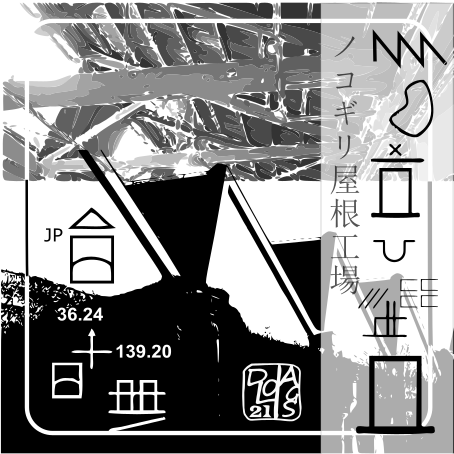
The “sawtooth-roofed factories” (Nokogiri-yane-koujou | ノコギリ屋根工場) are among Kiryu’s architectural landmarks. Their distinctive silhouette is the result of an ingenious adaptation to the needs of the modern textile industry. The north-facing glass walls provide the steady light essential for thread work and fabric inspection. In Kiryu, these buildings became ubiquitous during the period of industrial expansion in the late 19th and early 20th centuries. They embody a convergence of architecture, production, and artisanal craftsmanship. While large chimneys often symbolize Western industry, the sawtooth roofs here represent a different image of modern manufacturing. Their preservation in the urban landscape still allows us today to understand the city’s economic organization. These buildings are to Kiryu what the spinning mills are to Manchester or the canuts to Lyon.Lire la suiteNokogiri-yane-koujou
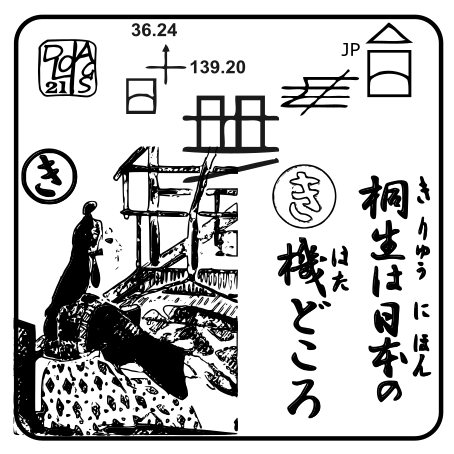
The phrase 日本の機どころ (Nihon no hatadokoro), often translated as “Japan’s weaving country” or “Japan’s city of looms,” is closely associated with Kiryu. It features prominently in Gunma’s popular culture and encapsulates several centuries of textile specialization. This phrase does not refer to a specific product but to a collective reputation. It expresses the idea that an entire region can be identified with a technical skill. Many cities around the world have been defined by a dominant industry: silk in Lyon, wool in Bradford, carpets in Isfahan. Kiryu belongs to this family of cities whose identity has become inseparable from a productive craft. The phrase serves as a condensed memory of several generations of artisans, merchants, and industrialists. It represents a true cultural motto of the city.Lire la suiteNihon no hatadokoro
Before a fabric can be woven, it must first be conceived. The zuanka 図案家, or pattern designer, occupies a unique position in the Japanese textile industry. Their work consists of creating designs that are then translated into threads, colors, and weaving structures. They operate at the intersection of art and industry. The designer must understand the technical constraints of the craft while remaining attentive to changing tastes. Their creations respond to commercial demands but also contribute to the invention of new aesthetics. In certain periods, the best designers exert an influence comparable to that of contemporary fashion designers. Their work reveals the importance of imagination in an activity often perceived as purely artisanal.Lire la suitezuanka
Vous pouvez compléter, modifier, améliorer cette indéfinition ou en proposer une autre au regard de vos savoirs, langages, pratiques, histoire… qu’elle soit formulée sur un mode scientifique, culturel, poétique… contact@21dialogues21.org
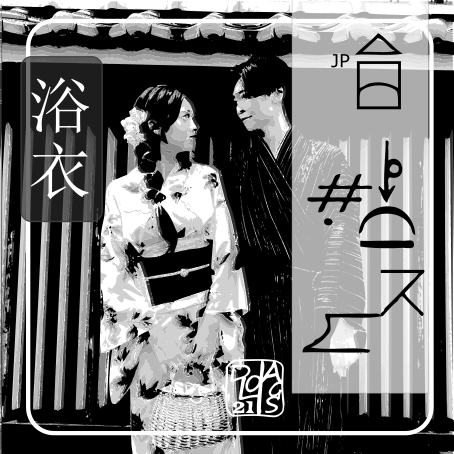
The yukata 浴衣 is a Japanese garment that is often associated today with summer festivals and leisure time, although its history is more complex. Originally, it was a lightweight garment worn after bathing. Its popularity stems from a combination of comfort, simplicity, and elegance. Unlike some more formal garments, the yukata allows for great freedom in patterns and colors. Its development has helped support numerous textile industries across Japan. The fabrics used for yukata often reflect the evolving aesthetic tastes of a given era. Flowers, waves, geometric patterns, and seasonal motifs make up a particularly rich visual vocabulary. The yukata is an excellent example of a garment where everyday use and artistic creation intersect. Studying it allows us to explore the relationships between textiles, climate, and social interaction.Lire la suiteyukata
Vous pouvez compléter, modifier, améliorer cette indéfinition ou en proposer une autre au regard de vos savoirs, langages, pratiques, histoire… qu’elle soit formulée sur un mode scientifique, culturel, poétique… contact@21dialogues21.org
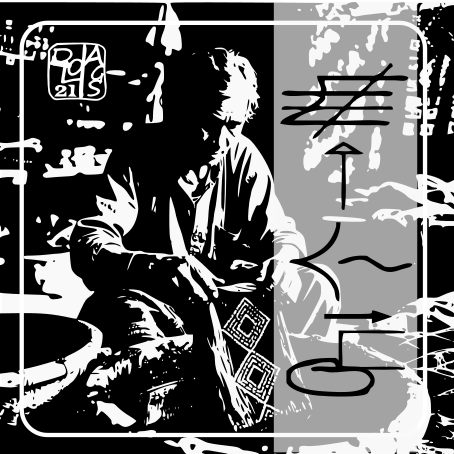
Textile dyeing is the process of coloring a textile material using dyes or pigments. It gives fibers, yarns, or fabrics a durable and uniform color. This technique has been used since ancient times to embellish clothing and upholstery fabrics. Dyes can be of natural origin, such as certain plants or insects, or of synthetic origin. Dyeing can be applied to various fibers, such as cotton, wool, silk, or polyester. The process relies on the penetration and fixation of the dye within the textile material. Several methods exist depending on the nature of the fiber and the desired result. Dyeing can be performed on the fiber, yarn, fabric, or finished garment. It generally requires the use of water, heat, and chemical auxiliaries. The quality of the dyeing is measured by its uniformity and washfastness. It must also be resistant to light, rubbing, and perspiration. The textile industry uses specialized equipment to control the process parameters. Recent innovations aim to reduce water consumption and environmental impacts. Dyeing plays an essential role in the aesthetics and commercial value of textile products. As such, it constitutes a fundamental step in the processing and finishing of textiles.Lire la suiteteinture
Vous pouvez compléter, modifier, améliorer cette indéfinition ou en proposer une autre au regard de vos savoirs, langages, pratiques, histoire… qu’elle soit formulée sur un mode scientifique, culturel, poétique… contact@21dialogues21.org
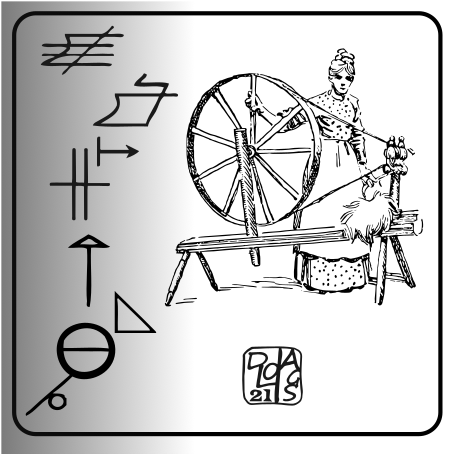
The spinning wheel is a machine designed to transform fibers into continuous thread. Appearing in various forms across Eurasia during the Middle Ages, this invention profoundly transformed textile production capabilities. Before its development, spinning relied primarily on the hand-held spindle. The spinning wheel significantly speeds up the process through a wheel driven by the hand or foot, providing the motion needed to twist the fibers. The spinning wheel thus bridges the worlds of textiles and mechanics. It also holds an important place in European folklore, as evidenced by several famous tales. Its image evokes domestic labor, artisanal patience, and technical innovation.Lire la suiterouet
Vous pouvez compléter, modifier, améliorer cette indéfinition ou en proposer une autre au regard de vos savoirs, langages, pratiques, histoire… qu’elle soit formulée sur un mode scientifique, culturel, poétique… contact@21dialogues21.org
Tartan (or breacan) – Tartan is a checkered fabric generally associated with Scotland. Its appearance results from the regular interweaving of threads of different colors in the warp and weft. Although checkered fabrics exist in many parts of the world, tartan has taken on a special place in the Scottish imagination. Starting in the 18th century and especially in the 19th century, certain patterns gradually became associated with clans, families, or institutions. This evolution contributed to the construction of a modern national identity. Tartan demonstrates how a textile pattern can become a collective emblem. Its influence extends far beyond traditional clothing. It can be found in fashion, design, cultural movements, and even certain forms of social protest.Lire la suitetartan
Vous pouvez compléter, modifier, améliorer cette indéfinition ou en proposer une autre au regard de vos savoirs, langages, pratiques, histoire… qu’elle soit formulée sur un mode scientifique, culturel, poétique… contact@21dialogues21.org
The orimono donya (織物問屋), or textile merchant, played a central role in the textile economy. Unlike the weaver, he generally did not produce the fabrics himself. His role was to organize the flow of goods, finance production, and connect workshops with urban markets. During the Edo period and later in the Meiji era, these merchants often served as the true orchestrators of the local textile system. They commissioned designs, provided capital, selected raw materials, and ensured sales in major consumer centers. The most prosperous built grand residences and participated in local public life. They embodied a form of commercial capitalism based as much on market knowledge as on risk management.Lire la suiteorimono donya
Vous pouvez compléter, modifier, améliorer cette indéfinition ou en proposer une autre au regard de vos savoirs, langages, pratiques, histoire… qu’elle soit formulée sur un mode scientifique, culturel, poétique… contact@21dialogues21.org
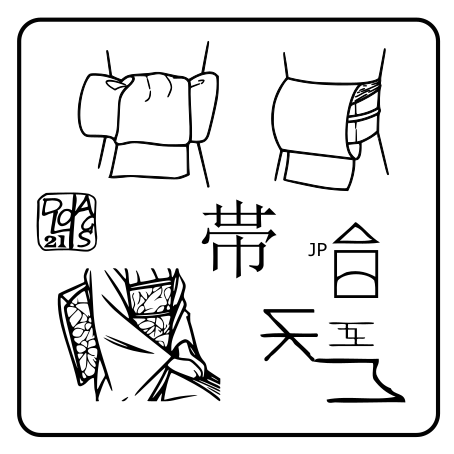
The obi 帯 is one of the most sophisticated forms of the sash. Its significance extends far beyond the realm of clothing. Over the centuries, its width, texture, color, and method of tying have signified age, social status, marital status, or even the ceremonial occasion. The knot at the back constitutes a true visual language. The obi is also a space for aesthetic invention where patterns inspired by nature, poetry, the seasons, or beliefs are displayed. It represents an interesting paradox: while it is a constraining element that holds the garment in place, it is also one of the primary vehicles for creativity. In the global history of costume, few objects have concentrated so many social and artistic meanings into a single strip of fabric. Its study opens up themes of weaving, the body, social representation, and the transmission of craftsmanship.Lire la suiteobi
Vous pouvez compléter, modifier, améliorer cette indéfinition ou en proposer une autre au regard de vos savoirs, langages, pratiques, histoire… qu’elle soit formulée sur un mode scientifique, culturel, poétique… contact@21dialogues21.org
Nishijin-ori 西陣織 is one of Japan’s most prestigious textile traditions. Developed in a historic district of Kyoto, it is distinguished by the richness of its patterns, the complexity of its weaves, and the use of particularly refined threads. For centuries, these fabrics have been associated with ceremonial garments, religious objects, and prestigious accessories. Nishijin-ori artisans often draw on skills passed down through several generations. Each fabric is the result of collaboration between designers, dyers, yarn preparers, and weavers. This collaborative process underscores that great artisanal traditions are rarely the work of a single individual. Nishijin-ori also stands as a remarkable example of the dialogue between conservation and innovation. Traditional techniques continue to be practiced while incorporating new materials and new uses.Lire la suitenishijin-ori
Vous pouvez compléter, modifier, améliorer cette indéfinition ou en proposer une autre au regard de vos savoirs, langages, pratiques, histoire… qu’elle soit formulée sur un mode scientifique, culturel, poétique… contact@21dialogues21.org
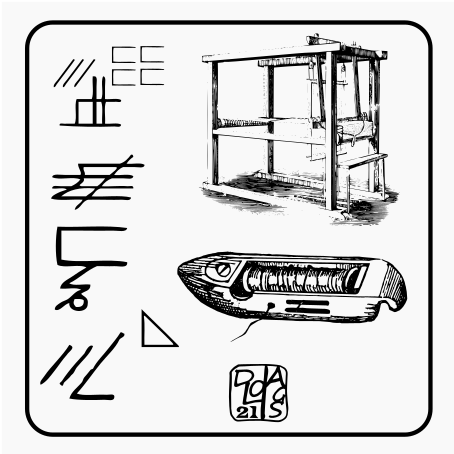
The shuttle is one of the most important tools in the history of weaving. Its role is to carry the weft thread from one side of the loom to the other. This movement, repeated thousands of times, gradually produces the fabric. Behind its apparent simplicity lies a fundamental invention. The shuttle transforms a series of individual threads into a coherent and durable surface. In several languages, its name evokes the idea of movement or back-and-forth motion. Improvements to the shuttle played a decisive role in increasing textile productivity in the modern era.Lire la suitenavette
Vous pouvez compléter, modifier, améliorer cette indéfinition ou en proposer une autre au regard de vos savoirs, langages, pratiques, histoire… qu’elle soit formulée sur un mode scientifique, culturel, poétique… contact@21dialogues21.org
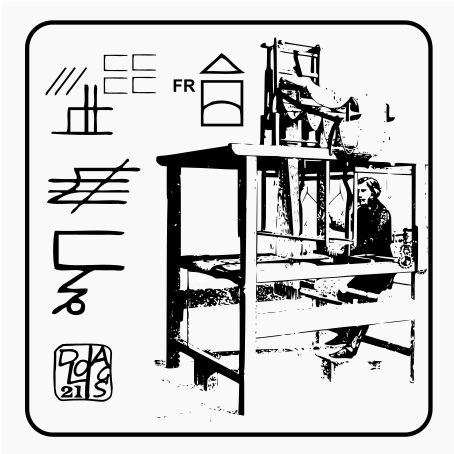
The Jacquard loom, developed in the early 19th century by Joseph Marie Jacquard, marked a major revolution in the history of textiles. His innovation relied on the use of punch cards to automatically control the woven patterns. Thanks to this system, complex designs could be reproduced with unprecedented precision. The Jacquard loom profoundly transformed European textile industries and also influenced Asian production centers. Its significance, however, extends beyond the realm of textiles. The punch cards would later inspire several pioneers of computer science. The Jacquard loom is thus often presented as a forerunner of modern programmable systems. It demonstrates how an innovation born in the world of thread can alter the history of machinery. This convergence of craftsmanship, automation, and information remains one of the most fascinating episodes in industrial history. Here, textiles become a technological laboratory.Lire la suitemétier Jacquard
Vous pouvez compléter, modifier, améliorer cette indéfinition ou en proposer une autre au regard de vos savoirs, langages, pratiques, histoire… qu’elle soit formulée sur un mode scientifique, culturel, poétique… contact@21dialogues21.org
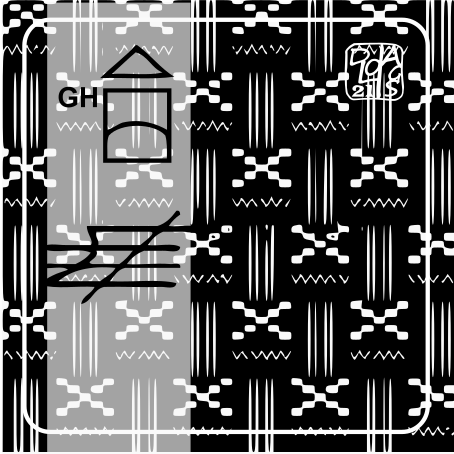
Kente is an iconic West African textile, particularly associated with the Akan people of Ghana. Composed of narrow strips woven separately and then joined together, it is characterized by vibrant geometric patterns. Each combination of patterns and colors can carry a specific meaning. Some evoke power, others wisdom, prosperity, or the memory of ancestors. Kente is therefore not merely a garment; it constitutes a visual language. Historically linked to royal courts, it has over time become a much broader cultural symbol. Its influence now extends far beyond the African continent. It is frequently used within diasporas as a marker of identity and historical continuity. Kente illustrates the ability of textiles to convey ideas and values. Like writing, fabric can tell a story. Its patterns show that textiles are often cultural archives as important as written texts.Lire la suitekente
Vous pouvez compléter, modifier, améliorer cette indéfinition ou en proposer une autre au regard de vos savoirs, langages, pratiques, histoire… qu’elle soit formulée sur un mode scientifique, culturel, poétique… contact@21dialogues21.org
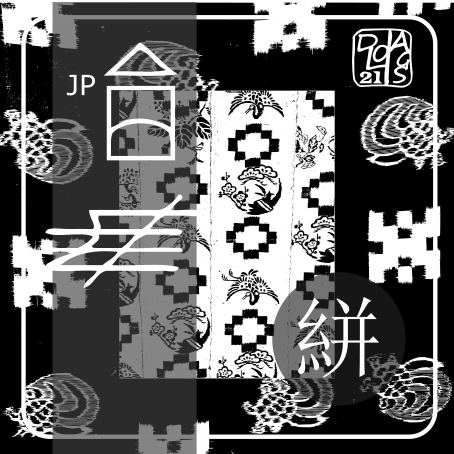
Kasuri 絣 refers to a family of Japanese textiles characterized by slightly blurred, almost vibrant patterns. This effect is not the result of printing or painting applied to the finished fabric, but of work carried out even before weaving begins. Certain sections of the threads are protected during dyeing, so that the designs emerge when the threads are finally assembled on the loom. This technique requires remarkable foresight: the artisan must envision the pattern before the fabric actually exists. Kasuri thus belongs to a long tradition in which textile creation relies as much on planning as on execution. The slight misalignments between the threads are part of its beauty. Where modern industry often seeks geometric perfection, kasuri values a living precision that leaves room for the slightest variation. This aesthetic aligns with certain Japanese conceptions of controlled imperfection. The fabric becomes a space where calculation, chance, and sensitivity meet. Kasuri reminds us that textiles are also an art of time, since their design emerges gradually as the work progresses.Lire la suitekasuri
Vous pouvez compléter, modifier, améliorer cette indéfinition ou en proposer une autre au regard de vos savoirs, langages, pratiques, histoire… qu’elle soit formulée sur un mode scientifique, culturel, poétique… contact@21dialogues21.org
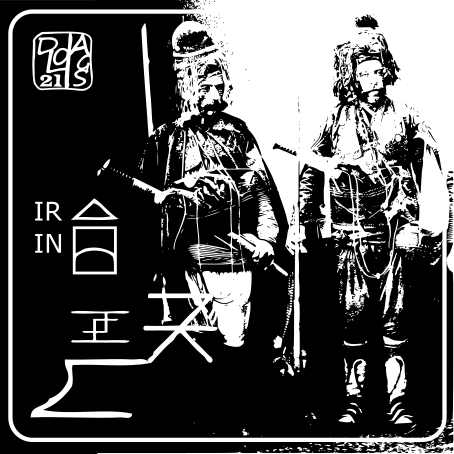
The kamarband is a long strip of fabric worn around the waist across a vast cultural region stretching from Iran to Central Asia and the Indian subcontinent. Its name comes from Persian: kamar means “waist” or “belt,” while band refers to something that fastens or wraps around. Originally, the kamarband served a practical purpose: to hold clothing in place, support the body during certain tasks, or carry small objects. However, it quickly took on social and symbolic significance. Depending on the era and region, its material, color, or the way it was tied could indicate rank, profession, or group affiliation. In the Mughal courts of India, the most prestigious kamarbands were made from luxurious fabrics and sometimes embellished with precious embroidery. Officers, dignitaries, and wealthy merchants made it an important part of their attire. In the 18th century, Europeans discovered this accessory through trade with the East. Adapted to Western fashion, it gave rise to the cummerbund, still worn today with certain formal garments. The kamarband thus illustrates how a simple object can travel between cultures, change its function, and acquire new meanings while retaining its fundamental role: connecting the garment to the body.Lire la suitekamarband
Vous pouvez compléter, modifier, améliorer cette indéfinition ou en proposer une autre au regard de vos savoirs, langages, pratiques, histoire… qu’elle soit formulée sur un mode scientifique, culturel, poétique… contact@21dialogues21.org
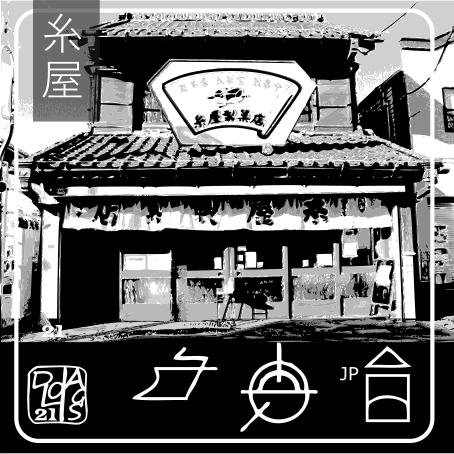
The itoya 糸屋, or thread merchant, plays a vital role but is often less visible than the fabric merchant (orimono donya). In a textile economy, thread is the fundamental resource on which the entire production chain depends. The itoya specializes in the purchase, storage, preparation, and distribution of silk, cotton, and more modern fibers. His trade requires a precise understanding of material quality, price fluctuations, and the needs of workshops. He ensured continuity between raw material producers and weavers. His work reminds us that behind every fabric lies a complex economy of supply and commercial trust.Lire la suiteitoya
Vous pouvez compléter, modifier, améliorer cette indéfinition ou en proposer une autre au regard de vos savoirs, langages, pratiques, histoire… qu’elle soit formulée sur un mode scientifique, culturel, poétique… contact@21dialogues21.org
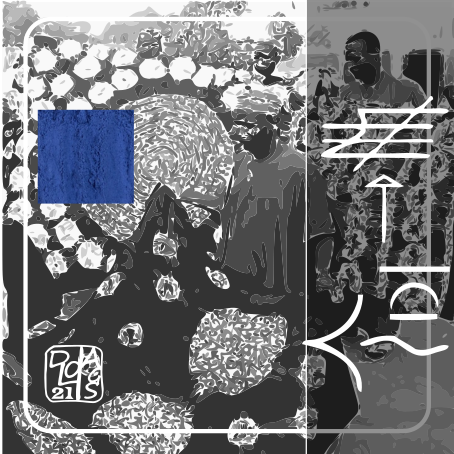
Indigo is one of the most important dyes in the history of textiles worldwide. Derived from various plants depending on the region, it produces a deep blue hue that has shaped the clothing traditions of many societies. It can be found in Japanese fabrics as well as in textiles from West Africa, India, and Europe. Its trade has long fueled international exchange networks comparable to those of silk or spices. The preparation of indigo requires complex expertise combining botany, empirical chemistry, and mastery of dyeing. Its spread reflects the global circulation of techniques and tastes. Indigo thus helps us understand how a single color can connect regions far apart. Behind the blue of the fabrics lies a global history of cultural exchange.Lire la suiteindigo
Vous pouvez compléter, modifier, améliorer cette indéfinition ou en proposer une autre au regard de vos savoirs, langages, pratiques, histoire… qu’elle soit formulée sur un mode scientifique, culturel, poétique… contact@21dialogues21.org
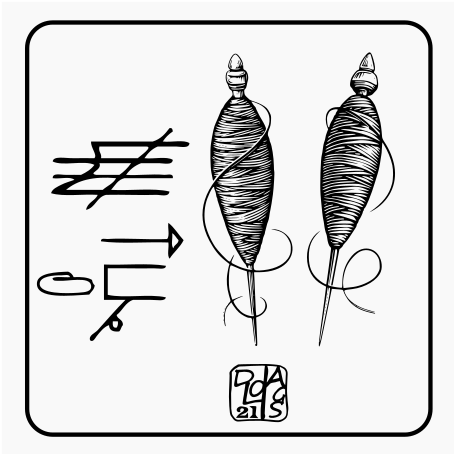
The spindle is one of the oldest tools in the history of textiles. Long before the spinning wheel or industrial machines were invented, it was used to transform plant or animal fibers into continuous thread. Its operation is based on the principle of rotation. By spinning rapidly on its own axis, it twists the fibers and gives them the strength needed to make fabric. Found in countless civilizations, it has been part of the history of clothing since prehistoric times. The spindle also plays an important role in mythology and folk tales. In several European traditions, spinners have become figures associated with destiny and the passage of time.Lire la suitefuseau
Vous pouvez compléter, modifier, améliorer cette indéfinition ou en proposer une autre au regard de vos savoirs, langages, pratiques, histoire… qu’elle soit formulée sur un mode scientifique, culturel, poétique… contact@21dialogues21.org
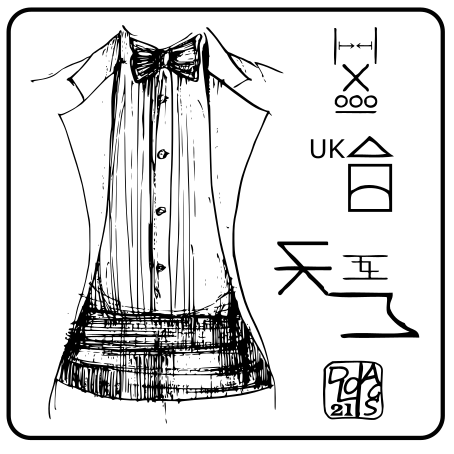
A cummerbund is a wide fabric sash worn around the waist with certain men’s evening wear, particularly a tuxedo. Its origins can be traced directly to the Persian kamarband, which was adopted and adapted by the British during their presence on the Indian subcontinent in the 18th and 19th centuries. The English word “cummerbund” is derived from the Persian term via South Asian languages. Originally, this lightweight fabric band served a practical purpose: it was a convenient alternative to the European waistcoat in hot climates. Gradually, it became a codified element of Western elegance. Traditionally made of silk or satin, the cummerbund is worn with the pleats facing upward, a detail that has given rise to numerous explanations, some practical, others more anecdotal. Its function is as much aesthetic as it is sartorial: it ensures a harmonious transition between the shirt and the trousers while accentuating the silhouette. The cummerbund is a remarkable example of cultural circulation. Born in the world of Persian dress, transformed in India, adopted by British officers, and then integrated into Western formal fashion, it illustrates how garments cross borders, reinvent themselves, and retain the discreet memory of their journeys.Lire la suitecummerbund
Vous pouvez compléter, modifier, améliorer cette indéfinition ou en proposer une autre au regard de vos savoirs, langages, pratiques, histoire… qu’elle soit formulée sur un mode scientifique, culturel, poétique… contact@21dialogues21.org