Catégories
Indéfinition

yukata

repère(s) :

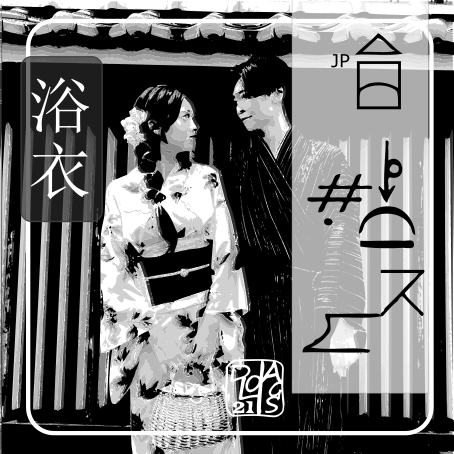
The yukata 浴衣 is a Japanese garment that is often associated today with summer festivals and leisure time, although its history is more complex. Originally, it was a lightweight garment worn after bathing. Its popularity stems from a combination of comfort, simplicity, and elegance. Unlike some more formal garments, the yukata allows for great freedom in patterns and colors. Its development has helped support numerous textile industries across Japan. The fabrics used for yukata often reflect the evolving aesthetic tastes of a given era. Flowers, waves, geometric patterns, and seasonal motifs make up a particularly rich visual vocabulary. The yukata is an excellent example of a garment where everyday use and artistic creation intersect. Studying it allows us to explore the relationships between textiles, climate, and social interaction.Lire la suiteyukata

Vous pouvez compléter, modifier, améliorer cette indéfinition ou en proposer une autre au regard de vos savoirs, langages, pratiques, histoire… qu’elle soit formulée sur un mode scientifique, culturel, poétique… contact@21dialogues21.org
Catégories
Indéfinition

obi

repère(s) :Japon

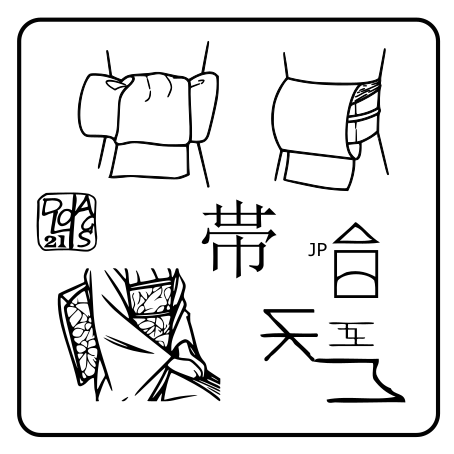
The obi 帯 is one of the most sophisticated forms of the sash. Its significance extends far beyond the realm of clothing. Over the centuries, its width, texture, color, and method of tying have signified age, social status, marital status, or even the ceremonial occasion. The knot at the back constitutes a true visual language. The obi is also a space for aesthetic invention where patterns inspired by nature, poetry, the seasons, or beliefs are displayed. It represents an interesting paradox: while it is a constraining element that holds the garment in place, it is also one of the primary vehicles for creativity. In the global history of costume, few objects have concentrated so many social and artistic meanings into a single strip of fabric. Its study opens up themes of weaving, the body, social representation, and the transmission of craftsmanship.Lire la suiteobi

Vous pouvez compléter, modifier, améliorer cette indéfinition ou en proposer une autre au regard de vos savoirs, langages, pratiques, histoire… qu’elle soit formulée sur un mode scientifique, culturel, poétique… contact@21dialogues21.org
Catégories
Indéfinition

kamarband

repère(s) :IndeIran

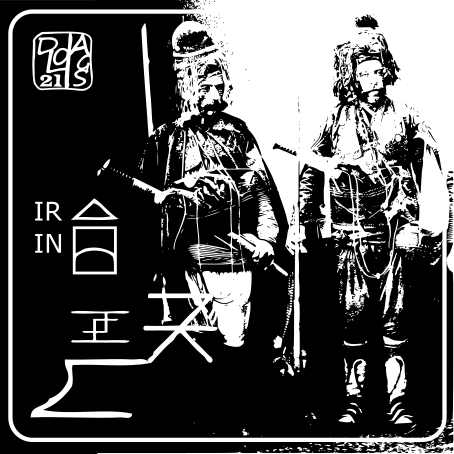
The kamarband is a long strip of fabric worn around the waist across a vast cultural region stretching from Iran to Central Asia and the Indian subcontinent. Its name comes from Persian: kamar means “waist” or “belt,” while band refers to something that fastens or wraps around. Originally, the kamarband served a practical purpose: to hold clothing in place, support the body during certain tasks, or carry small objects. However, it quickly took on social and symbolic significance. Depending on the era and region, its material, color, or the way it was tied could indicate rank, profession, or group affiliation. In the Mughal courts of India, the most prestigious kamarbands were made from luxurious fabrics and sometimes embellished with precious embroidery. Officers, dignitaries, and wealthy merchants made it an important part of their attire. In the 18th century, Europeans discovered this accessory through trade with the East. Adapted to Western fashion, it gave rise to the cummerbund, still worn today with certain formal garments. The kamarband thus illustrates how a simple object can travel between cultures, change its function, and acquire new meanings while retaining its fundamental role: connecting the garment to the body.Lire la suitekamarband

Vous pouvez compléter, modifier, améliorer cette indéfinition ou en proposer une autre au regard de vos savoirs, langages, pratiques, histoire… qu’elle soit formulée sur un mode scientifique, culturel, poétique… contact@21dialogues21.org
Catégories
Indéfinition

cummerbund

repère(s) :Royaume-Uni

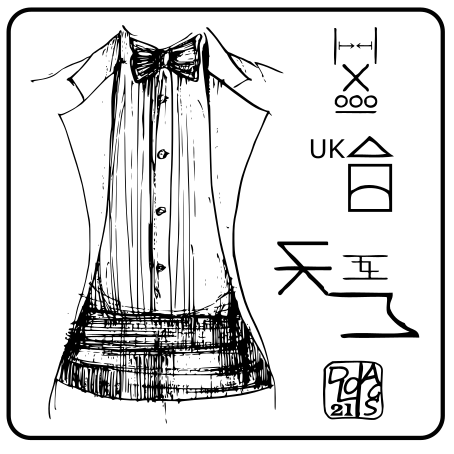
A cummerbund is a wide fabric sash worn around the waist with certain men’s evening wear, particularly a tuxedo. Its origins can be traced directly to the Persian kamarband, which was adopted and adapted by the British during their presence on the Indian subcontinent in the 18th and 19th centuries. The English word “cummerbund” is derived from the Persian term via South Asian languages. Originally, this lightweight fabric band served a practical purpose: it was a convenient alternative to the European waistcoat in hot climates. Gradually, it became a codified element of Western elegance. Traditionally made of silk or satin, the cummerbund is worn with the pleats facing upward, a detail that has given rise to numerous explanations, some practical, others more anecdotal. Its function is as much aesthetic as it is sartorial: it ensures a harmonious transition between the shirt and the trousers while accentuating the silhouette. The cummerbund is a remarkable example of cultural circulation. Born in the world of Persian dress, transformed in India, adopted by British officers, and then integrated into Western formal fashion, it illustrates how garments cross borders, reinvent themselves, and retain the discreet memory of their journeys.Lire la suitecummerbund

Vous pouvez compléter, modifier, améliorer cette indéfinition ou en proposer une autre au regard de vos savoirs, langages, pratiques, histoire… qu’elle soit formulée sur un mode scientifique, culturel, poétique… contact@21dialogues21.org
Catégories
Indéfinition

courroie

repère(s) :

A belt is a flexible strip, formerly made of leather or reinforced fabric, and today most often made of rubber or synthetic materials. It is used to transmit motion and mechanical power between two or more wheels, pulleys, or drive shafts. Its principle relies on the friction between the belt and the components it connects, thereby enabling the transfer of energy from one mechanism to another. In the 19th century, with the development of industry, belts played an essential role in factories: vast transmission networks distributed the energy produced by a central machine—often a steam engine—to all the workshops and production machines. Thanks to this system, motion could be conveyed over long distances within a building and simultaneously power numerous pieces of equipment. The belt is thus a fundamental element in the history of mechanization and industrial organization. Its operation illustrates the combination of flexibility and rotation, of connection and movement, allowing energy to be transmitted efficiently while absorbing certain vibrations and irregularities. Even today, belts are widely used in engines, industrial machinery, and numerous mechanical devices, attesting to the simplicity and enduring efficiency of this device.Lire la suitecourroie

Vous pouvez compléter, modifier, améliorer cette indéfinition ou en proposer une autre au regard de vos savoirs, langages, pratiques, histoire… qu’elle soit formulée sur un mode scientifique, culturel, poétique… contact@21dialogues21.org
Catégories
Indéfinition

cingulum

repère(s) :Rome antique

The cingulum is the belt worn by soldiers in ancient Rome. Much more than a mere fashion accessory, it served as a visible sign of membership in the Roman army. Often made of leather and embellished with metal elements, it served to hold certain pieces of equipment in place while clearly distinguishing the soldier from civilians. The decorations adorning it could indicate the wearer’s rank, experience, or prestige. In sculptural depictions, the cingulum contributes to the image of discipline and authority associated with Rome. Its symbolic importance is such that the loss of the belt could be perceived as a humiliation. This identity-defining function links the cingulum to many ceremonial or professional belts found in other cultures. It serves as a reminder that wrapping a belt around the waist is not merely a matter of holding up a garment, but also of displaying one’s position within the social order. The study of the cingulum allows us to explore the relationships between the body, power, and political organization. Through a simple leather object, an entire conception of imperial citizenship becomes visible. The belt thus appears as a shifting boundary between the individual and the institution.Lire la suitecingulum

Vous pouvez compléter, modifier, améliorer cette indéfinition ou en proposer une autre au regard de vos savoirs, langages, pratiques, histoire… qu’elle soit formulée sur un mode scientifique, culturel, poétique… contact@21dialogues21.org
Catégories
Indéfinition

ceinture wampun

Wampum belts play a vital role in certain Indigenous societies of northeastern North America. Composed of beads made from carefully crafted shells, they are not primarily used as clothing ornaments. Their function is above all political, diplomatic, and commemorative. The patterns woven into the beads record alliances, treaties, or significant historical events. Each design holds a meaning known to the communities that pass it down. The belts thus become veritable archives. They help demonstrate that material objects can serve as vessels of collective memory. Wampum belts offer a rich way to explore the concepts of narrative, transmission, and heritage.Lire la suiteceinture wampun

Vous pouvez compléter, modifier, améliorer cette indéfinition ou en proposer une autre au regard de vos savoirs, langages, pratiques, histoire… qu’elle soit formulée sur un mode scientifique, culturel, poétique… contact@21dialogues21.org
Catégories
Indéfinition

ceinture de sécurité

repère(s) :

The seat belt is one of the innovations that has contributed most to reducing the consequences of traffic accidents. Attached to the vehicle seat, it restrains the body during sudden decelerations and limits the risk of serious injury. Its history reveals an interesting paradox. It illustrates how a voluntary constraint can become a prerequisite for freedom of movement. Without it, modern forms of rapid mobility would be far more dangerous. The seat belt is thus part of a long history of body protection devices. It also offers a lens through which to examine the relationships between technology, individual responsibility, and public policy. A mundane object of daily life, it nonetheless bears witness to a profound transformation in the culture of travel during the 20th century.Lire la suiteceinture de sécurité

Vous pouvez compléter, modifier, améliorer cette indéfinition ou en proposer une autre au regard de vos savoirs, langages, pratiques, histoire… qu’elle soit formulée sur un mode scientifique, culturel, poétique… contact@21dialogues21.org
Catégories
Indéfinition

ceinture

repère(s) :communication

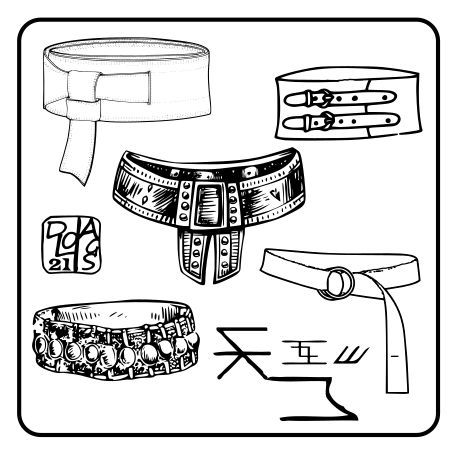
A belt is an item designed to wrap around the body, usually at the waist, to hold up a garment, adjust an outfit, or support certain movements. Made of leather, fabric, plant fibers, or more modern materials, it is one of the oldest and most universally used accessories in human history. Its primary function is practical: it connects different parts of a garment and establishes a link between the body and what covers it. Yet behind this apparent simplicity lies a wide variety of forms, techniques, and uses. In many societies, the belt quickly transcends its utilitarian function. It becomes a sign of social distinction, a marker of belonging, a symbol of authority, or a vehicle for aesthetic expression. The Japanese obi, the Persian kamarband, the Quebecois ceinture fléchée, and the Roman cingulum each reflect a unique way of connecting the individual to their community. The materials used, the patterns, the colors, or the way a belt is tied often reflect local craftsmanship, cultural traditions, and conceptions of the body specific to each society. | The belt also invites us to broaden its meaning, for beyond being a fashion accessory, it can be understood as a symbol of connection and unity. It links separate elements, maintaining a coherent whole and creating passages between different realities.Lire la suiteceinture

Vous pouvez compléter, modifier, améliorer cette indéfinition ou en proposer une autre au regard de vos savoirs, langages, pratiques, histoire… qu’elle soit formulée sur un mode scientifique, culturel, poétique… contact@21dialogues21.org
Catégories
Indéfinition

bandage de roue

repère(s) :

A wheel tyre (or wheel band) is a protective layer fitted around the rim of a wheel to strengthen it and improve its contact with the ground. Before the invention of the modern pneumatic tyre, wheels were commonly equipped with bands made of wood, leather, or metal. Their main purpose was to reinforce the wheel and reduce wear on rough roads. In horse-drawn vehicles such as carts and coaches, wooden wheels were often surrounded by a heated iron ring. As the metal cooled, it contracted and tightly secured the wheel, greatly increasing its resistance to shocks and friction. This innovation played a key role in improving the transport of goods and passengers. During the Industrial Revolution, new materials were introduced to enhance performance and comfort. Rubber bands were adopted on various vehicles and machines to reduce noise and vibration, and were widely used on bicycles and early industrial equipment. The wheel band marked an important stage in the evolution of rolling systems and paved the way for the pneumatic tyre, which provided better grip and comfort. Although largely replaced by modern tyres, wheel bands are still used on trains, cranes, and industrial machinery, remaining an important milestone in the history of transport and mechanics.Lire la suitebandage de roue

Vous pouvez compléter, modifier, améliorer cette indéfinition ou en proposer une autre au regard de vos savoirs, langages, pratiques, histoire… qu’elle soit formulée sur un mode scientifique, culturel, poétique… contact@21dialogues21.org
Catégories
Piste

ceinture (arts martiaux)

repère(s) :

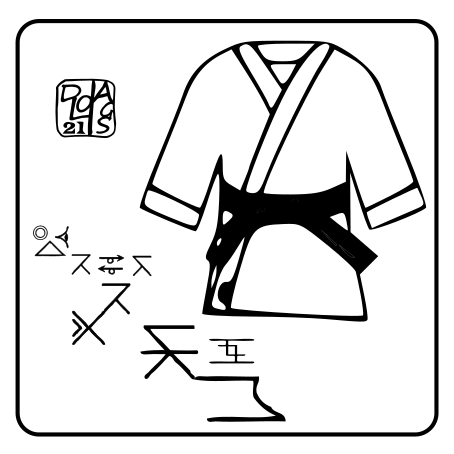
The martial arts belt retains its practical function of holding the uniform in place, while also taking on educational and symbolic significance. In disciplines such as judo, karate, and aikido, the color of the belt indicates the practitioner’s level of progress. This relatively recent system has become one of the most recognizable symbols of the transmission of martial arts knowledge. The belt represents a journey rather than a definitive status. It serves as a reminder that knowledge is built step by step, within the relationship between teacher and student. Its significance extends far beyond the realm of sports. In many countries, it has become a universal symbol of learning grounded in effort, discipline, and perseverance. The martial arts belt thus demonstrates how a simple piece of fabric can become a visible sign of inner transformation.Lire la suiteceinture (arts martiaux)

Catégories
Piste

ceinture fléchée

repère(s) :

The arrowhead sash is one of the most recognizable symbols of Quebec’s cultural heritage. Handwoven from colored wool yarn, it is characterized by its geometric arrow-shaped patterns. Originally, it served practical purposes: to hold winter clothing in place and protect the back while traveling. It is particularly associated with travelers, coureurs des bois, and fur traders. Its production requires special technical skill since it is made without a traditional loom. Over time, it has become a sign of cultural belonging and identity. Its aesthetic stems from the intersection of European traditions and North American realities. Like other belts around the world, it transcends its utilitarian function to become a collective emblem. It serves as a reminder that textile objects are often living archives of social history. The arrowhead belt is thus a woven narrative as much as it is a garment.Lire la suiteceinture fléchée

Catégories
Citation

Le premier col que j’ai lavé

repère(s) :

Je revois encore le premier col que j’ai lavé. J’avais mis plus d’amidon qu’il n’en fallait et n’avais pas laissé chauffer le fer assez longtemps. Enfin, de peur de tout brûler, je n’avais pas appuyé assez fort. Le col était vraiment dur, mais l’amidon qui était en trop se mit à fondre goutte à goutte. Je fis la joie de…Lire la suiteLe premier col que j’ai lavé

Catégories
Patrimoine Culturel Immatériel

La xhubleta

repère(s) :femmeobjet

Portée par les femmes et les filles qui vivent dans les régions montagneuses du nord de l’Albanie, la xhubleta est un vêtement fait à la main qui se caractérise par sa forme de cloche ondulée. Elle est majoritairement noire avec des motifs brodés colorés. Sa confection comprend plusieurs étapes, dont la préparation du shajak (feutre tissé), la découpe, la couture et la broderie de motifs symboliques. La xhubleta était autrefois utilisée au quotidien à partir de la puberté et était un indicateur du statut social et économique. On assiste toutefois depuis plusieurs décennies au déclin de son utilisation et de sa production, pour différentes raisons socio-politiques et économiques. Les nouvelles politiques mises en place par le système socialiste dans les années 1960 ont modifié les schémas culturels traditionnels et la vie quotidienne des communautés montagnardes, et donc l’utilisation et la production de la xhubleta. Puisque les femmes devaient travailler dans les coopératives agricoles socialistes, la xhubleta n’était plus pratique pour la vie quotidienne. En outre, la collectivisation par l’État a entraîné une pénurie des matières premières nécessaires à sa production. (…)Lire la suiteLa xhubleta

Catégories
Patrimoine Culturel Immatériel

Le tais, tissu traditionnel

repère(s) :objetvêtement

Le tais, tissu traditionnel tissé à la main au Timor-Leste, joue un rôle important dans la vie des Timorais. Le tissu est utilisé non seulement comme élément de décoration, mais aussi pour confectionner des vêtements traditionnels masculins et féminins aux styles spécifiques. Le tais sert aussi à souhaiter la bienvenue aux nouveau-nés ainsi qu’à accompagner les cérémonies et festivals traditionnels. Le tais est également un moyen d’afficher son identité culturelle et sa classe sociale, car les couleurs et les motifs utilisés varient d’un groupe à l’autre. Enfin, il est utilisé comme objet de valeur, par exemple pour les dots ou pour renforcer les liens entre les familles. Fabriqué en coton teint naturellement à partir de plantes, le tais est traditionnellement tissé à la main à l’aide d’outils simples. Toutefois, la fabrication est un processus relativement long et complexe, qui comprend la préparation et la teinture du coton ainsi que le tissage du tissu. Bien que les hommes participent au processus en cueillant les plantes servant à teindre le coton et en construisant le matériel, le tais est majoritairement produit par les femmes. (…)Lire la suiteLe tais, tissu traditionnel

Catégories
05 Calendrier mars

5 mars – Journée du ak-kalpak

repère(s) :objet

« L’artisanat de l’ak-kalpak est une forme artisanale kirghize traditionnelle. L’ak-kalpak est un couvre-chef masculin traditionnel en feutre blanc, associé à de profondes significations d’ordre sacré. » (ich.unesco.org) La journée du kalpak, également connue sous le nom de journée de l’ak-kalpak, est une fête kirghize observée le 5 mars. Elle célèbre le kalpak, considéré comme la coiffe nationale du peuple…Lire la suite5 mars – Journée du ak-kalpak

Catégories
Articles

Les Sapeurs

repère(s) :objet

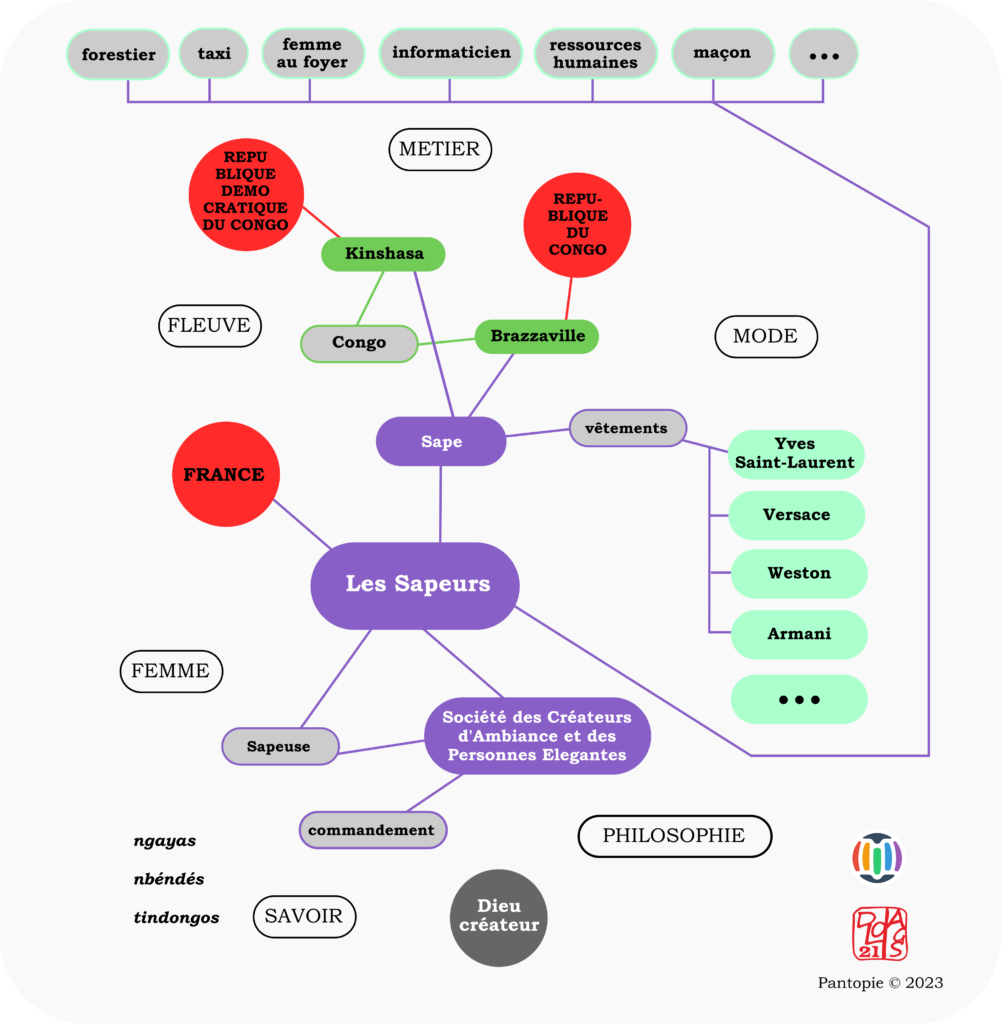
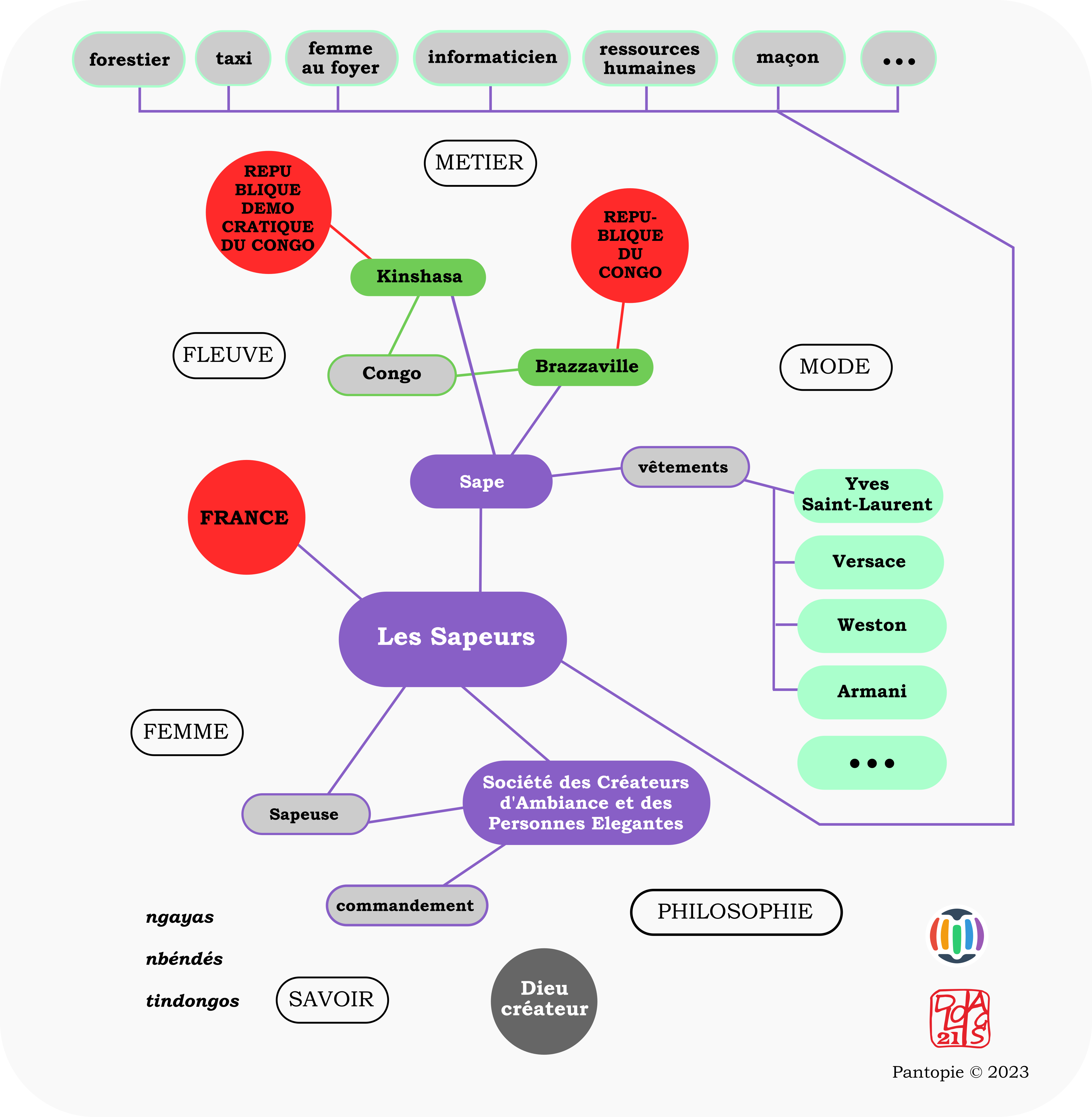
La « sape » évoque d’abord le vêtement, mais elle désigne surtout un mouvement culturel emblématique né des deux côtés du fleuve Congo, à Brazzaville et à Kinshasa : la SAPE, acronyme de « Société des Créateurs d’Ambiance et des Personnes Élégantes ». Bienvenue dans l’univers des sapeurs, reconnaissables à leurs tenues éclatantes et à l’usage assumé de marques prestigieuses. Leurs origines remonteraient à plus d’un siècle, dans le sillage de la présence coloniale française et des échanges entre Afrique et Europe. D’abord fondée sur des vêtements de seconde main, la sape s’est affirmée comme un véritable enjeu de mode, de dignité et de représentation sociale. Elle permet de résister symboliquement à la pauvreté, de retrouver fierté et confiance en soi. Avec le temps, le mouvement s’est structuré, rassemblant aujourd’hui des milliers d’adeptes issus de tous les milieux : chauffeurs de taxi, forestiers, cadres, maçons, informaticiens, femmes au foyer… Les femmes y occupent désormais leur place, sous le nom de « sapeuses ». Mais la sape ne se réduit pas aux marques : elle est un art du comportement, une élégance morale. Le sapeur se veut gentleman, guidé par des règles quasi spirituelles, faisant de la SAPE une véritable philosophie de vie, porteuse de paix, d’esthétique et de respect.Lire la suiteLes Sapeurs

Catégories
Articles

ghost shirt

repère(s) :

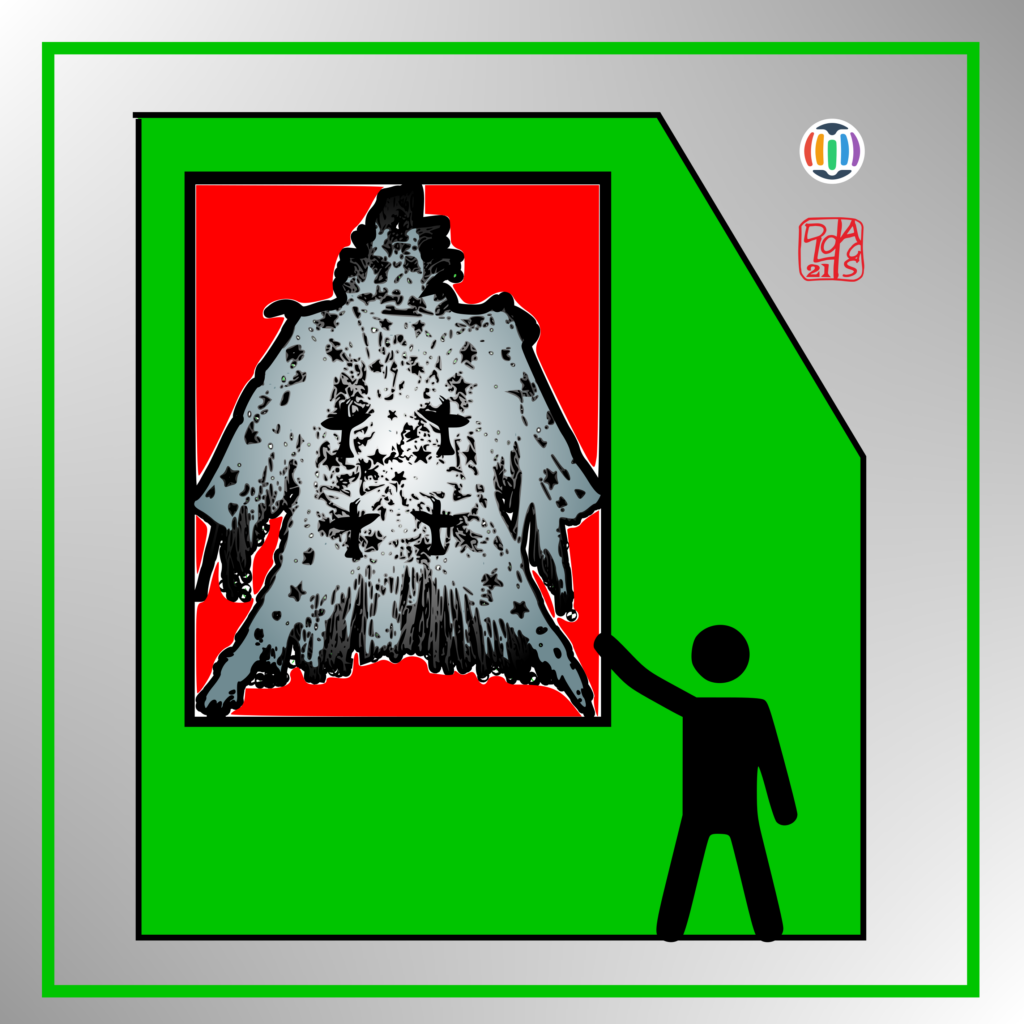
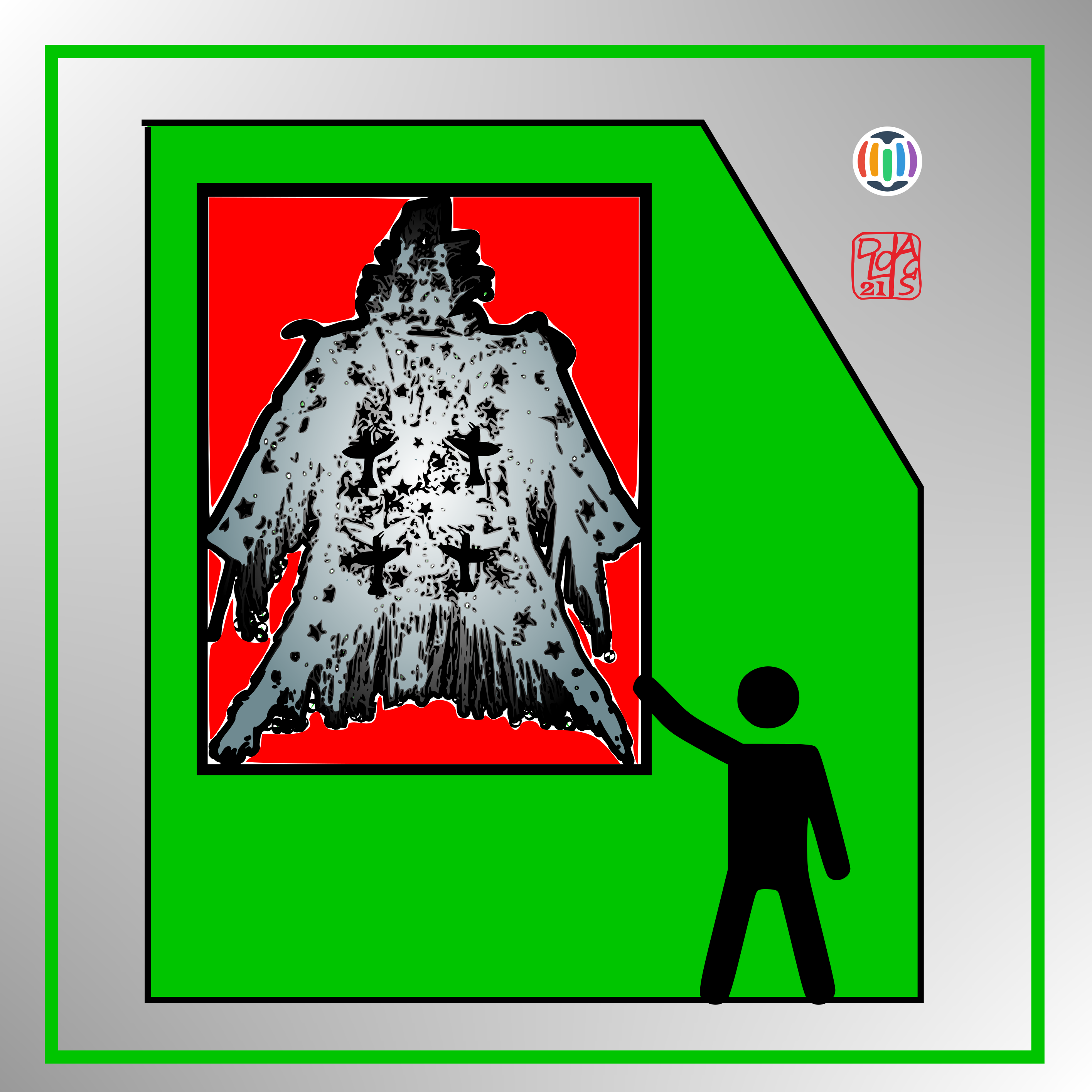
Le « ghost shirt » est un vêtement sacré porté dans certaines cultures amérindiennes, notamment parmi les Lakotas des Grandes Plaines. Conçu pour les rituels spirituels et cérémoniels, il pouvait être fabriqué en peau de bison ou en d’autres matériaux sacrés et orné de symboles significatifs. Sa fonction principale était de protéger spirituellement le porteur, notamment lors de périodes de conflits ou de bouleversements sociaux. Au 19ᵉ siècle, pendant les guerres indiennes, les Lakotas croyaient que ces chemises pouvaient les rendre invulnérables aux balles des soldats américains, ce qui leur donna un rôle central dans les mouvements de résistance menés par des leaders comme Sitting Bull. Plus qu’un simple vêtement, le « ghost shirt » demeure aujourd’hui un symbole fort de l’héritage culturel et spirituel lakota et des nations des Grandes Plaines, incarnant résilience, lien avec les ancêtres et persistance des traditions face aux épreuves historiques et contemporaines.Lire la suiteghost shirt

Catégories
Piste

La toile à patron

repère(s) :

La toile à patron est un prototype de vêtement réalisé dans un tissu simple, généralement en coton écru (toile, calicot), destiné à tester et ajuster une coupe avant l’exécution définitive. Elle permet de vérifier les volumes, l’aisance, l’équilibre et les proportions du modèle sur un corps ou un mannequin. La toile révèle les défauts de construction (plis, tensions, déséquilibres) invisibles…Lire la suiteLa toile à patron

Catégories
Piste

Le pli religieuse

repère(s) :

Le pli religieuse est un pli très fin, cousu à sa base, souvent utilisé dans le linge ou les vêtements traditionnels. Il apporte relief et raffinement. Son nom évoque la sobriété et la rigueur des habits religieux. Il exige une grande régularité. C’est un détail décoratif délicat.Lire la suiteLe pli religieuse