
Parmi tous les monastères du Ladakh, བྲག་ཐོག་དགོན་པ་ (Brag thog dgon pa), plus connu sous le nom de Takthok, occupe une place singulière. Son nom signifie littéralement « le toit de roche » ou « le plafond de pierre ». Contrairement à la plupart des monastères construits sur la montagne, Takthok est en partie creusé dans une grotte naturelle, faisant de…Lire la suiteTakthok, le monastère né de la roche
Pantopique : matière
La matière, substance fondamentale qui compose notre univers, invite à explorer sa nature, ses propriétés et ses implications dans la diversité des contextes. Qu’est-ce qui constitue la matière au niveau le plus fondamental, et comment les particules subatomiques, telles que les quarks et les électrons, interagissent-elles pour former des atomes, des molécules et des structures complexes ? Comment la diversité des éléments chimiques et des composés moléculaires contribue-t-elle à la variété infinie des substances qui peuplent notre monde, de l’air que nous respirons aux matériaux qui composent notre quotidien ? La matière soulève également des questions sur les changements d’état et les transformations physiques et chimiques. Comment les différentes phases de la matière, solide, liquide et gazeuse, révèlent-elles des comportements distincts et répondent-elles aux variations de température et de pression ? Comment les réactions chimiques modifient-elles la composition de la matière, créant de nouveaux composés et catalysant des processus biologiques, industriels et environnementaux ? Comment les matériaux conducteurs et isolants influent-ils sur la transmission de l’électricité, et comment les propriétés magnétiques de certains matériaux sont-elles exploitées dans la technologie moderne ? Comment la matière organique et inorganique interagit-elle dans les écosystèmes, soutenant la vie et participant aux cycles biogéochimiques de la Terre ? Dans le domaine de la physique des particules et de l’astrophysique, comment la matière noire et l’énergie noire, bien que non observées directement, influent-elles sur la structure et l’évolution de l’univers ? Comment les étoiles et les galaxies, composées de matière interstellaire, émettent-elles de la lumière et des radiations électromagnétiques, permettant aux scientifiques de sonder les mystères de l’espace ? De quoi entreprendre un voyage à travers les complexités de la matière, de ses propriétés quantiques aux applications pratiques dans notre vie quotidienne, offrant ainsi un panorama complet de son impact sur notre compréhension du monde.
Un pantopique correspond à la réunion de quelques repères, plus ou moins nombreux, que vous pouvez commenter, compléter, étendre, selon vos propres champs d’expériences, de savoirs, d’enquêtes… - contact@21dialogues21.org
Au premier regard, le Ladakh semble appartenir entièrement à la roche. Puis apparaissent, au détour d’un village, de longues silhouettes élancées qui rompent l’horizontalité des vallées. Ce sont les peupliers, plantés depuis des siècles le long des canaux d’irrigation, des chemins et des terres cultivées. Leur présence est si familière qu’ils font désormais partie de l’identité même du paysage ladakhi.…Lire la suiteLes peupliers, gardiens des canaux et des villages
Bien avant l’édification des palais royaux, des monastères bouddhiques et des villages de terre crue, les êtres humains ont laissé sur les rochers du Ladakh les premiers témoignages de leur présence. Ces gravures rupestres, appelées en tibétain བྲག་རིས་ (brag ris), littéralement « dessins sur la roche », constituent l’un des plus anciens patrimoines culturels de l’Himalaya. Dispersées le long de…Lire la suiteLes gravures rupestres
À plus de 3 500 mètres d’altitude, loin de tout océan, il est surprenant de découvrir du corail dans les bijoux traditionnels du Tibet ou du Ladakh. Pourtant, le corail rouge (byu ru) occupe depuis des siècles une place privilégiée dans les parures himalayennes. Sa présence raconte une histoire fascinante, celle des immenses réseaux commerciaux qui reliaient autrefois la Méditerranée,…Lire la suiteLe corail sur les hauts plateaux
Plus souples que les peupliers, plus proches des rivières, les ལྕང་མ་ (lcang ma), les saules, accompagnent discrètement la vie quotidienne des villages ladakhis. Leurs longues branches se penchent au-dessus des canaux, leurs racines plongent vers l’eau et leur feuillage léger apporte une fraîcheur inattendue dans un paysage dominé par les pierres et les montagnes. Le saule ne s’installe jamais loin…Lire la suiteLcang ma, les saules, l’eau devenue arbre
Au Ladakh, l’eau est un trésor aussi précieux que fragile. Depuis toujours, les habitants vivent au rythme de la fonte des glaciers, qui alimentent les cultures au printemps et en été. Mais avec le réchauffement climatique, les glaciers reculent et la fonte intervient de plus en plus tôt, laissant parfois les villages manquer d’eau au moment des semis. Face à…Lire la suiteL’Ice Stupa, quand Sonam Wangchuk réinvente l’eau de demain
À première vue, le ཏིང་མོ་ (ting mo), souvent transcrit tingmo, évoque un petit nuage blanc posé dans un panier de bambou. Léger, souple et délicatement roulé sur lui-même, ce pain cuit à la vapeur accompagne depuis des générations les repas des familles ladakhies. Sa douceur contraste avec l’austérité des paysages minéraux de l’Himalaya. Il rappelle qu’au cœur d’un environnement exigeant,…Lire la suitetingmo
Vous pouvez compléter, modifier, améliorer cette indéfinition ou en proposer une autre au regard de vos savoirs, langages, pratiques, histoire… qu’elle soit formulée sur un mode scientifique, culturel, poétique… contact@21dialogues21.org
Dans la médecine traditionnelle Sowa Rigpa, un des trois principes porte le nom de རླུང་ (rlung), généralement traduit par « vent ». Il désigne plus largement l’ensemble des mouvements qui animent la vie : la respiration, la circulation de l’énergie, les pensées, la parole, les émotions et même la capacité à se déplacer. Invisible, le rlung est ce qui met…Lire la suiterlung
Vous pouvez compléter, modifier, améliorer cette indéfinition ou en proposer une autre au regard de vos savoirs, langages, pratiques, histoire… qu’elle soit formulée sur un mode scientifique, culturel, poétique… contact@21dialogues21.org
Dans la médecine traditionnelle tibétaine (et ladakhie), toute vie repose sur un équilibre subtil entre trois grandes forces. Le མཁྲིས་པ་ mkhris pa, généralement traduit par « bile », en fait partie. Cette traduction demeure imparfaite, car le mkhris pa ne désigne pas uniquement la bile au sens anatomique. Il représente avant tout le principe de la chaleur, de la transformation…Lire la suitemkhris pa
Vous pouvez compléter, modifier, améliorer cette indéfinition ou en proposer une autre au regard de vos savoirs, langages, pratiques, histoire… qu’elle soit formulée sur un mode scientifique, culturel, poétique… contact@21dialogues21.org
Au Ladakh, l’eau n’est jamais considérée comme une ressource ordinaire. Dans ce désert d’altitude où les précipitations sont rares, chaque goutte issue des glaciers conditionne les récoltes, les vergers et parfois la survie même des villages. Pour garantir un partage équitable de cette richesse vitale, les communautés ont confié depuis des siècles une responsabilité essentielle à une personne respectée :…Lire la suitechu dpon
Vous pouvez compléter, modifier, améliorer cette indéfinition ou en proposer une autre au regard de vos savoirs, langages, pratiques, histoire… qu’elle soit formulée sur un mode scientifique, culturel, poétique… contact@21dialogues21.org
Dans la médecine traditionnelle tibétaine, toute vie repose sur un équilibre entre mouvement, chaleur et stabilité. Avec le rlung, le vent, et le mkhris pa, la chaleur, vient le བད་ཀན་ bad kan, généralement traduit par « flegme ». Cette traduction ne rend toutefois qu’imparfaitement la richesse du concept. Le bad kan ne désigne pas seulement un liquide du corps. Il…Lire la suitebad kan
Vous pouvez compléter, modifier, améliorer cette indéfinition ou en proposer une autre au regard de vos savoirs, langages, pratiques, histoire… qu’elle soit formulée sur un mode scientifique, culturel, poétique… contact@21dialogues21.org
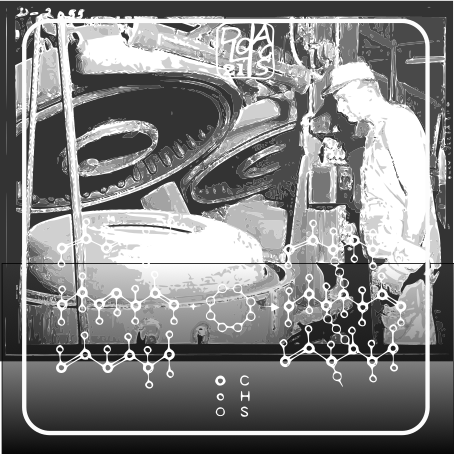
Charles Goodyear est connu pour avoir découvert la vulcanisation du caoutchouc, une avancée majeure qui a transformé l’industrie moderne. Au début du XIXᵉ siècle, le caoutchouc naturel présentait de graves défauts : il devenait collant sous l’effet de la chaleur et cassant lorsqu’il faisait froid. Ces limites empêchaient son utilisation à grande échelle malgré ses propriétés prometteuses. Passionné par ce…Lire la suitePetite histoire de vulcanisation
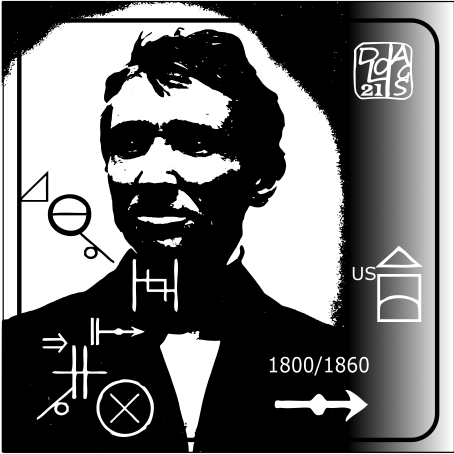
Charles Goodyear (1800–1860) was an American inventor whose name remains closely associated with one of the most important discoveries in the history of materials: the vulcanization of rubber. By the early 19th century, natural rubber had already attracted the interest of industrialists, but its use remained limited. Indeed, it became sticky and soft when exposed to heat, while it hardened and cracked in cold weather. These flaws prevented its widespread use. Convinced of the material’s potential, Goodyear devoted many years to experimenting with different methods to improve its properties. After numerous failures and significant financial difficulties, he discovered in 1839 that by heating rubber in the presence of sulfur, it was possible to make it much more stable, elastic, and durable. This process was subsequently named “vulcanization,” in reference to Vulcan, the Roman god of fire and the forge. This invention profoundly transformed modern industry. Thanks to vulcanization, rubber could be used in the manufacture of tires, gaskets, drive belts, electrical cables, and many everyday objects. It thus paved the way for the development of modern transportation and numerous industrial innovations. Paradoxically, despite the importance of his discovery, Charles Goodyear never achieved true financial prosperity. He spent much of his life in debt and died before he could see the full extent of his invention’s industrial success.Lire la suiteCharles Goodyear
Vulcanization represents one of the major turning points in the history of materials. Before its development, natural rubber had significant limitations: it deformed when exposed to heat and became brittle in cold weather. The addition of sulfur followed by heat treatment creates stable bonds between the material’s molecules. This transformation significantly improves its strength and durability. The term refers to Vulcan, the Roman god of fire and the forge. The choice of this name underscores the idea of a material reshaped by the mastery of heat. Thanks to vulcanization, rubber moved beyond the realm of curiosity to become a leading industrial resource. Tires, gaskets, soles, cables, and thousands of other products benefit from it. Few processes have contributed as much to modern mobility. Vulcanization represents the exemplary convergence of science, industry, and the transformation of the material world.Lire la suitevulcanisation
Vous pouvez compléter, modifier, améliorer cette indéfinition ou en proposer une autre au regard de vos savoirs, langages, pratiques, histoire… qu’elle soit formulée sur un mode scientifique, culturel, poétique… contact@21dialogues21.org
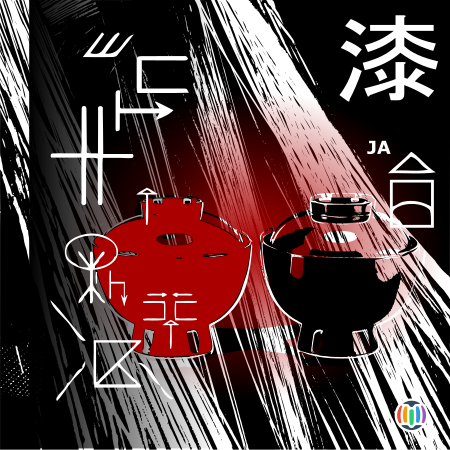
L’urushi 漆 est une laque naturelle traditionnelle au Japon [pratiquée également sous des formes diverses par ex. en Chine ou en Corée]. Elle est produite à partir de la sève de l’arbre d’urushi, également connu sous le nom d’arbre à laque (Toxicodendron vernicifluum). Elle sert à magnifier des bols, des plateaux, des boîtes, des ustensiles de cuisine, des instruments de…Lire la suiteurushi
Vous pouvez compléter, modifier, améliorer cette indéfinition ou en proposer une autre au regard de vos savoirs, langages, pratiques, histoire… qu’elle soit formulée sur un mode scientifique, culturel, poétique… contact@21dialogues21.org
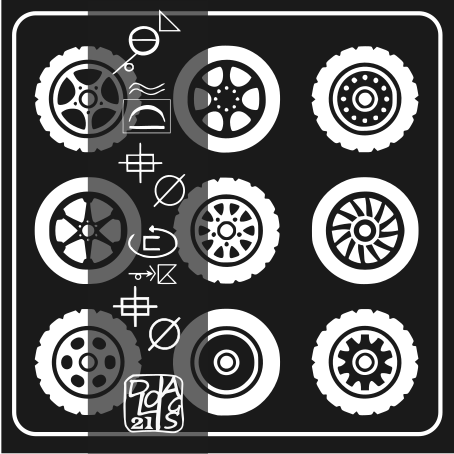
A tire is a rubber ring mounted around a wheel to provide contact between the vehicle and the ground. Its main functions are to support the vehicle’s weight, provide traction, transmit braking and acceleration forces, and absorb some of the road’s unevenness. The invention of the pneumatic tire dates back to 1845, when Robert William Thomson filed a patent for a wheel equipped with an air-filled casing. However, this innovation saw little use until 1888, when John Boyd Dunlop developed an inflatable tire for bicycles. The success of this invention led to its adoption on early automobiles. In 1891, Michelin developed the removable tire, making it easier to replace and repair. Throughout the 20th century, tires underwent numerous advancements thanks to the use of new materials, the introduction of the radial tire, and improvements in manufacturing processes. Today, they offer better traction, longer life, reduced fuel consumption, and enhanced safety. Current research focuses on tires that are more environmentally friendly, connected, and adapted to new transportation technologies.Lire la suitepneu
Vous pouvez compléter, modifier, améliorer cette indéfinition ou en proposer une autre au regard de vos savoirs, langages, pratiques, histoire… qu’elle soit formulée sur un mode scientifique, culturel, poétique… contact@21dialogues21.org
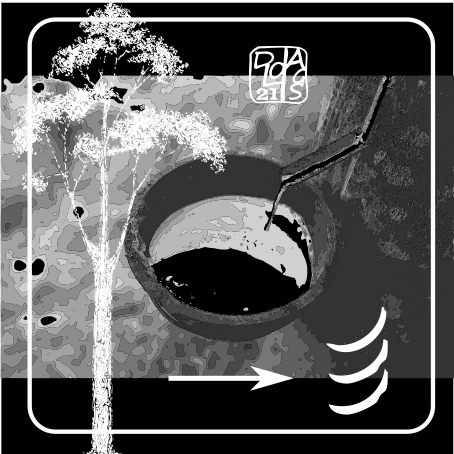
Latex is the milky substance produced by many plants when they are cut. In the case of the rubber tree, this liquid contains the particles used to manufacture natural rubber. Long viewed as a botanical curiosity, latex has gradually become a strategic raw material. Its extraction relies on a simple yet precise technique: making a controlled incision to collect the liquid without causing lasting damage to the tree. This process, known as tapping, requires experience and consistency. Latex illustrates a common pattern in the history of technology: a natural material acquires new meanings as scientific knowledge advances. Even today, it remains at the heart of many industrial supply chains. Studying it helps connect the plant world to that of materials. Bridging the gap between the rainforest and the chemistry lab, latex reminds us that even the most modern objects often retain deeply biological roots.Lire la suitelatex
Vous pouvez compléter, modifier, améliorer cette indéfinition ou en proposer une autre au regard de vos savoirs, langages, pratiques, histoire… qu’elle soit formulée sur un mode scientifique, culturel, poétique… contact@21dialogues21.org
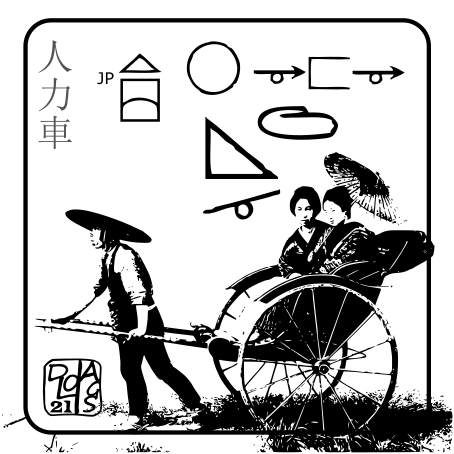
The Japanese word jinrikisha 人力車 literally means “human-powered vehicle.” First appearing in 19th-century Japan, this invention combines two major traditions: human traction and the modern lightweight wheel. The vehicle is pulled or pushed by a person while one or more passengers sit in the back. Its development coincided with the rapid modernization of Japanese cities during the Meiji era. The jinrikisha offered relatively fast mobility in urban areas where motorized infrastructure was still limited. It quickly became a symbol of Asian urban life before spreading to other parts of the world. Its history also raises social questions. Passenger comfort depends directly on the driver’s effort. The vehicle thus reveals economic hierarchies and changes in the nature of work within industrializing societies. Straddling tradition and modernity, the jinrikisha occupies a unique place in the global history of mobility.Lire la suitejinrikisha
Vous pouvez compléter, modifier, améliorer cette indéfinition ou en proposer une autre au regard de vos savoirs, langages, pratiques, histoire… qu’elle soit formulée sur un mode scientifique, culturel, poétique… contact@21dialogues21.org
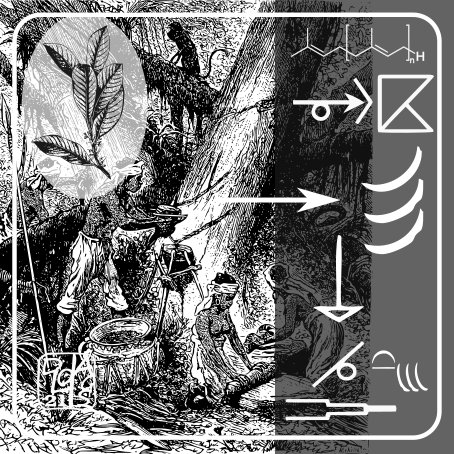
Gutta-percha (from Malay) is a natural substance derived from several trees native to Southeast Asia. In the 19th century, it enjoyed immense success thanks to its insulating properties. At a time when long-distance communications were developing rapidly, it became indispensable for coating undersea telegraph cables. Without it, the establishment of the first global telecommunications networks would have been much more difficult. Gutta-percha thus illustrates a different history of rubber, distinct from that of the tire. It demonstrates that flexible materials played a major role in the technical unification of the planet. However, its intensive exploitation places significant pressure on natural resources. Like many other raw materials, it highlights the tensions between innovation, commerce, and the environment. Although less well-known today than natural rubber, gutta-percha remains a valuable testament to the dawn of global communications.Lire la suitegutta-percha
Vous pouvez compléter, modifier, améliorer cette indéfinition ou en proposer une autre au regard de vos savoirs, langages, pratiques, histoire… qu’elle soit formulée sur un mode scientifique, culturel, poétique… contact@21dialogues21.org
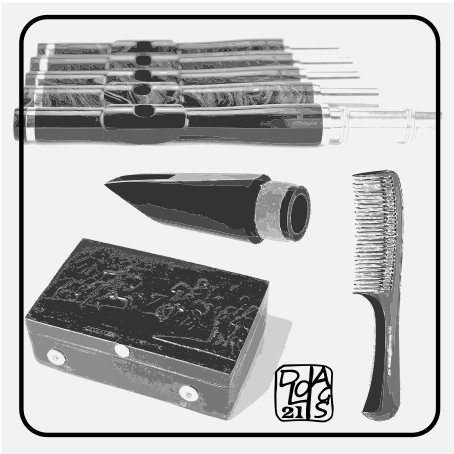
Ebonite is a type of highly vulcanized rubber. More rigid than the flexible materials typically associated with rubber, it possesses unique properties that explain its success in many technical fields. In the 19th and early 20th centuries, it was used to manufacture scientific instruments, electrical components, mouthpieces for wind instruments, and even pens. Its dark appearance is sometimes reminiscent of ebony, hence its name. Ebonite reflects the diverse paths taken by rubber technology. While tires prioritize flexibility, ebonite emphasizes stability and durability. It belongs to an era when engineers were gradually discovering the possibilities offered by polymers. Through it, the transition from traditional to modern materials begins to take shape.Lire la suiteébonite
Vous pouvez compléter, modifier, améliorer cette indéfinition ou en proposer une autre au regard de vos savoirs, langages, pratiques, histoire… qu’elle soit formulée sur un mode scientifique, culturel, poétique… contact@21dialogues21.org