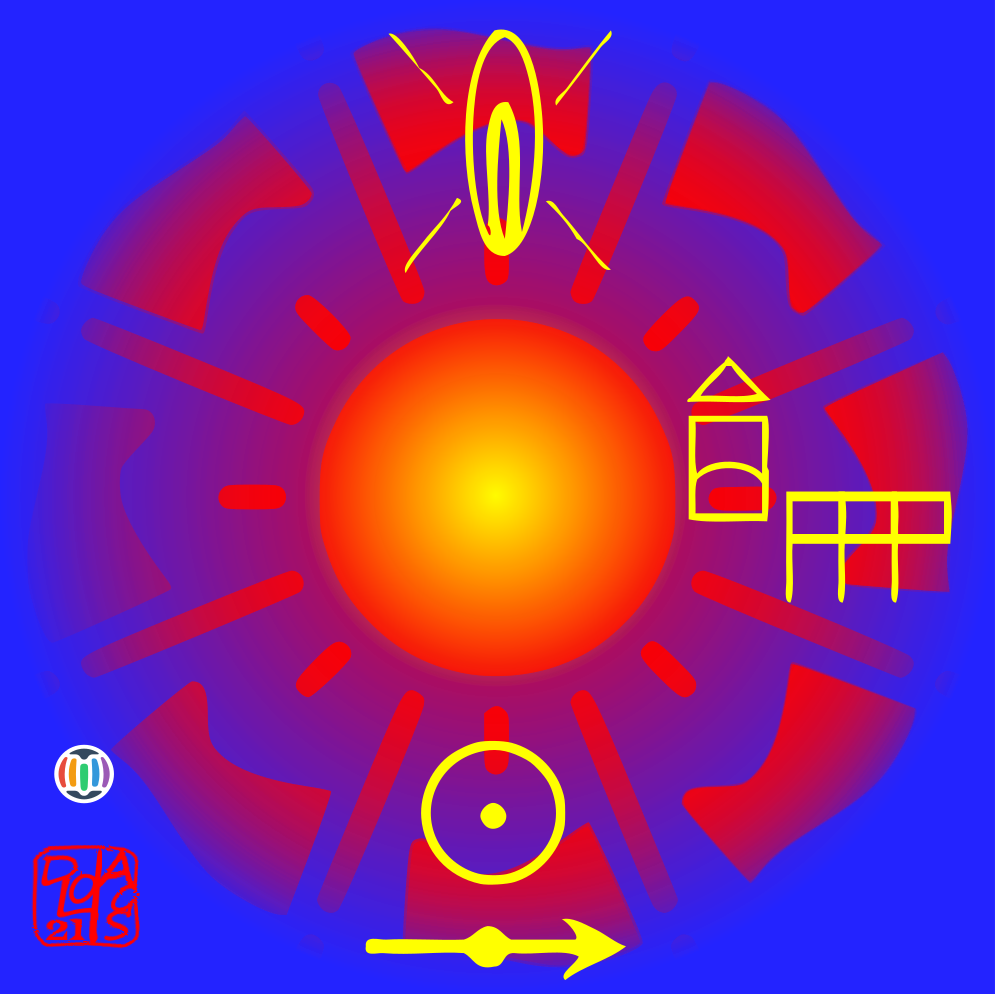

Dans la médecine traditionnelle tibétaine (et ladakhie), toute vie repose sur un équilibre subtil entre trois grandes forces. Le མཁྲིས་པ་ mkhris pa, généralement traduit par « bile », en fait partie. Cette traduction demeure imparfaite, car le mkhris pa ne désigne pas uniquement la bile au sens anatomique. Il représente avant tout le principe de la chaleur, de la transformation…Lire la suitemkhris pa
Vous pouvez compléter, modifier, améliorer cette indéfinition ou en proposer une autre au regard de vos savoirs, langages, pratiques, histoire… qu’elle soit formulée sur un mode scientifique, culturel, poétique… contact@21dialogues21.org