
Parmi les nombreuses divinités représentées dans les monastères du Tibet et du Ladakh, aucune ne surprend sans doute davantage que Gonbo, « le Protecteur ». Son visage sombre, ses yeux flamboyants, sa bouche aux crocs acérés et la couronne de crânes qui ceint parfois sa tête semblent appartenir à un univers inquiétant. Pourtant, cette iconographie n’exprime ni la violence ni…Lire la suiteMahākāla, le protecteur à la colère bienveillante
Pantopique : violence
Un pantopique correspond à la réunion de quelques repères, plus ou moins nombreux, que vous pouvez commenter, compléter, étendre, selon vos propres champs d’expériences, de savoirs, d’enquêtes… - contact@21dialogues21.org
Les Dharmapālas sont les « Protecteurs du Dharma ». Le terme sanskrit Dharmapāla signifie littéralement « gardien de la Loi ». En tibétain, plusieurs de ces protecteurs sont désignés sous le nom de ཆོས་སྐྱོང་ (chos skyong), « ceux qui protègent les enseignements ». Leur mission n’est pas de défendre un territoire ou un peuple contre des ennemis, mais de préserver…Lire la suiteLes Dharmapālas, les gardiens invisibles du dharma
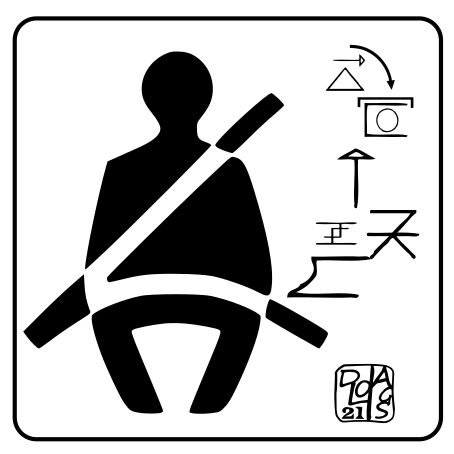
The seat belt is one of the innovations that has contributed most to reducing the consequences of traffic accidents. Attached to the vehicle seat, it restrains the body during sudden decelerations and limits the risk of serious injury. Its history reveals an interesting paradox. It illustrates how a voluntary constraint can become a prerequisite for freedom of movement. Without it, modern forms of rapid mobility would be far more dangerous. The seat belt is thus part of a long history of body protection devices. It also offers a lens through which to examine the relationships between technology, individual responsibility, and public policy. A mundane object of daily life, it nonetheless bears witness to a profound transformation in the culture of travel during the 20th century.Lire la suiteceinture de sécurité
Vous pouvez compléter, modifier, améliorer cette indéfinition ou en proposer une autre au regard de vos savoirs, langages, pratiques, histoire… qu’elle soit formulée sur un mode scientifique, culturel, poétique… contact@21dialogues21.org
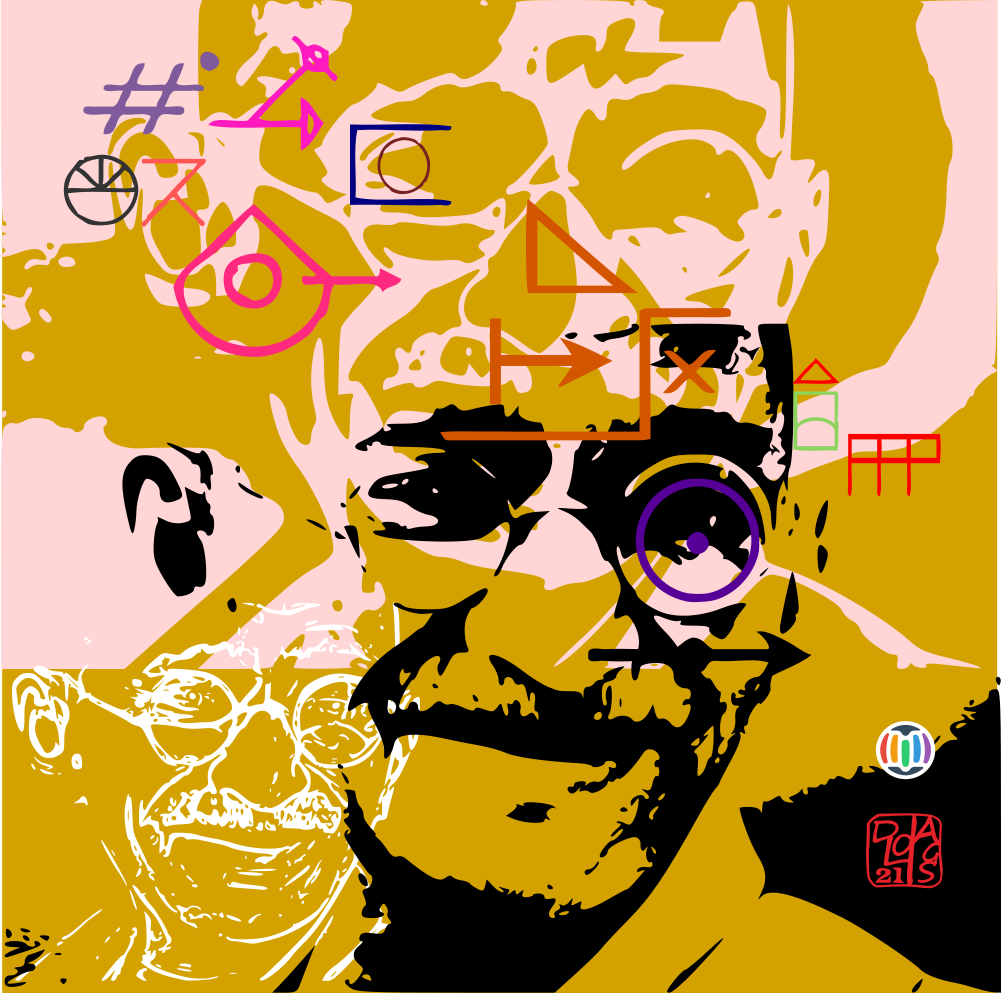
La Journée internationale de la non-violence est célébrée le 2 octobre, jour anniversaire de la naissance de Mahatma Gandhi, chef du mouvement pour l’indépendance de l’Inde et pionnier de la philosophie et de la stratégie de la non-violence. En vertu de la résolution de l’Assemblée générale du 15 juin 2007, la Journée est l’occasion de diffuser le message de la…Lire la suite2 octobre – Journée internationale de la non-violence

Le rite Yeongdeunggut de Chilmeoridang à Cheju se déroule pendant le deuxième mois lunaire pour demander aux dieux d’éloigner les tempêtes, d’accorder de bonnes récoltes et des prises de poissons abondantes. Les rituels qui se déroulent à Chilmeoridang dans le village de, Gun-rip sont représentatif de cérémonies similaires organisées un peu partout sur l’île de Cheju, en Corée du sud. Les chamans du village accomplissent une série de rites en l’honneur de la déesse des vents (grand-mère Yeondeung), du roi dragon Yongwang et des dieux de la montagne. Le rite de salutation de Yeondeung inclut une cérémonie pour invoquer les dieux, des prières pour que la pêche soit bonne et une pièce en trois actes pour divertir les dieux ancestraux ; le rite d’adieu à Yeondeung, deux semaines plus tard, comprend des offrandes de boisson et de gâteaux à base de farine de riz, une cérémonie pour saluer le roi dragon, des exercices de divination en utilisant des graines de millet et le lancement dans la mer d’un bateau en paille par les anciens du village… (…)Lire la suiteLe rite Yeongdeunggut de Chilmeoridang à Cheju



La cérémonie Ong Chun et les pratiques associées sont ancrées dans les coutumes populaires liées à la vénération d’Ong Yah, une divinité qui protégerait la population et les terres contre les catastrophes. L’élément s’est formé dans la région de Minnan entre les quinzième et dix-septième siècles et se concentre aujourd’hui dans la baie de Xiamen et la baie de Quanzhou ainsi qu’au sein des communautés chinoises à Malacca, Malaisie. Les personnes qui ont perdu la vie en mer, appelées « bons frères », deviennent des âmes errantes, seules et sans foyer. Au début de la cérémonie, la population se rassemble en bord de mer pour accueillir Ong Yah dans les temples ou les maisons de clans et des mâts surmontés de lampes sont érigés pour appeler les « bons frères » et les délivrer de la tourmente. L’élément est ainsi célébré comme « l’accomplissement de bonnes actions ». Les membres de la communauté livrent des prestations artistiques en tête de la procession et ouvrent la voie à la barge d’Ong Yah (en bois ou en papier)…(…)Lire la suiteLa cérémonie Ong Chun/Wangchuan/Wangkang



Les diaolou, maisons fortifiées de village de Kaiping, bâties sur plusieurs étages, témoignent d’une fusion complexe et flamboyante des formes structurelles et décoratives chinoises et occidentales. Elles sont le reflet du rôle significatif que jouèrent les émigrés de Kaiping dans le développement de plusieurs pays en Asie du Sud, en Australasie et en Amérique du Nord à la fin du XIXe siècle et au début du XXe siècle. Il y a quatre groupes de diaolou dont une vingtaine de bâtiments ont été inscrits sur la Liste. Il existe trois types de bâtiments : les tours communautaires construites par plusieurs familles et utilisées comme refuges temporaires, les tours résidentielles construites par de riches familles à des fins résidentielles et défensives, et les tours de guet. Fabriqués en pierre, en pisé, en brique ou en béton, ces édifices symbolisent la fusion complexe et réussie des styles architecturaux chinois et occidentaux. Harmonieusement intégrés dans le paysage environnant, les diaolou représentent l’épanouissement de traditions locales – nées sous la dynastie des Ming – en matière de construction visant à se défendre contre les bandits.Lire la suiteDiaolou et villages de Kaiping
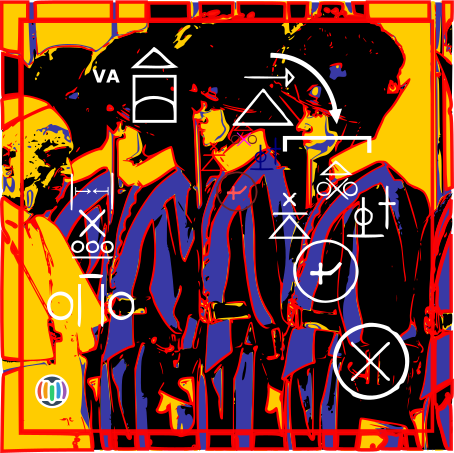
Le 22 janvier 1506 arrive à Rome un contingent de soldats venus de Suisse, en réponse à la demande du pape Jules II de constituer une garde de corps d’élite. Celui-ci fait ainsi confiance aux meilleurs soldats d’Europe de l’époque : les mercenaires Suisses. Dans les grands moments de son histoire au service du Saint-Siège, l’on retiendra la défense du…Lire la suite22 janvier – Gardes Suisses du Vatican
La Journée internationale pour l’élimination de la violence à l’égard des femmes a lieu le 25 novembre. Cette date a été choisie pour commémorer la mort des trois sœurs Mirabal en République dominicaine en 1960, des militantes qui s’opposaient à la dictature de Rafael Trujillo… « La Déclaration sur l’élimination de la violence à l’égard des femmes, adoptée par l’Assemblée…Lire la suite25 novembre – Journée internationale pour l’élimination de la violence à l’égard des femmes

Les actes de violence fondés sur la religion ou la conviction demeurent désormais fréquents, notamment contre les personnes appartenant à des minorités religieuses. Le nombre et l’intensité de tels incidents – souvent de nature pénale – ne cesse de croître et de prendre une portée internationale. C’est la raison pour laquelle l’Assemblée générale a proclamé le 22 août Journée internationale…Lire la suite22 août – Journée internationale de commémoration des personnes victimes de violences en raison de leur religion ou convictions
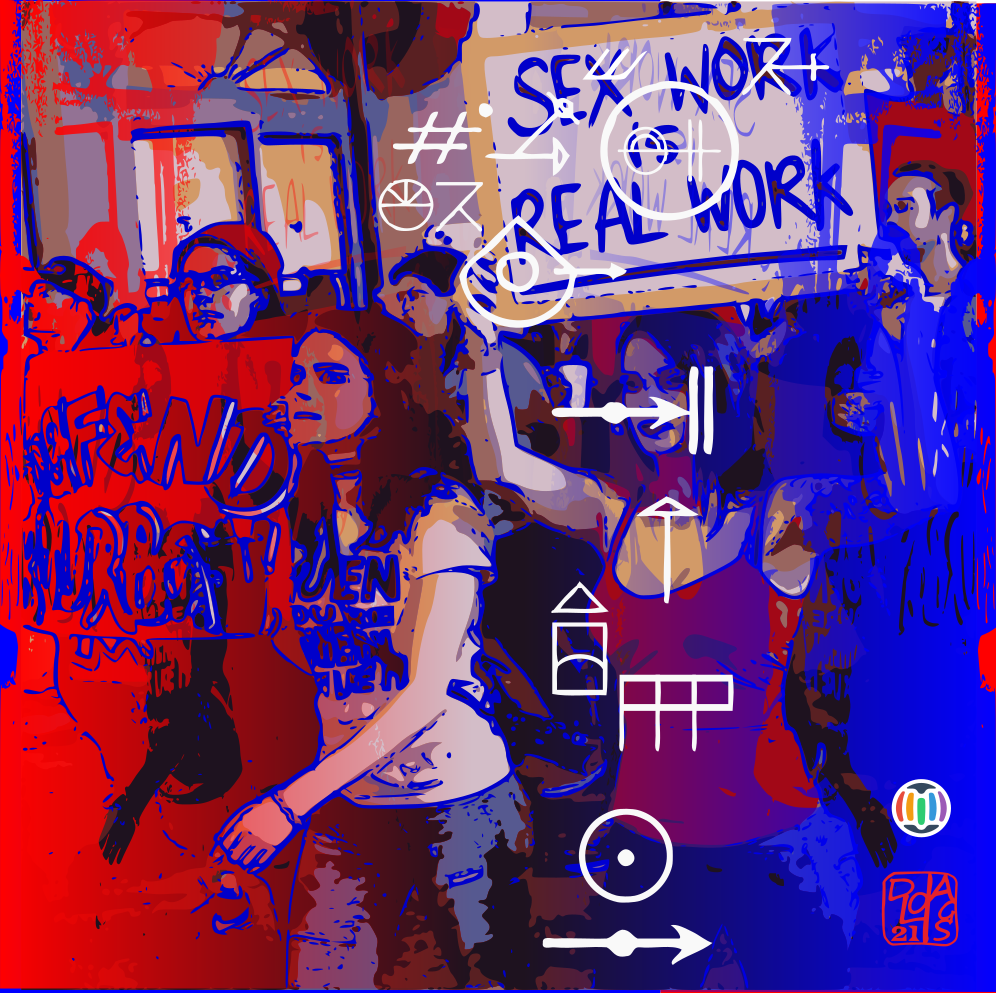
Cette journée a été créée pour attirer l’attention sur les crimes haineux commis contre les travailleurs du sexe dans le monde entier. Inaugurée par le Dr Annie Sprinkle et lancée par le Sex Workers Outreach Project USA, la première journée annuelle a eu lieu en 2003 sous la forme d’un mémorial et d’une veillée pour les victimes du tueur de…Lire la suite17 décembre – Journée internationale pour mettre fin à la violence contre les travailleurs du sexe
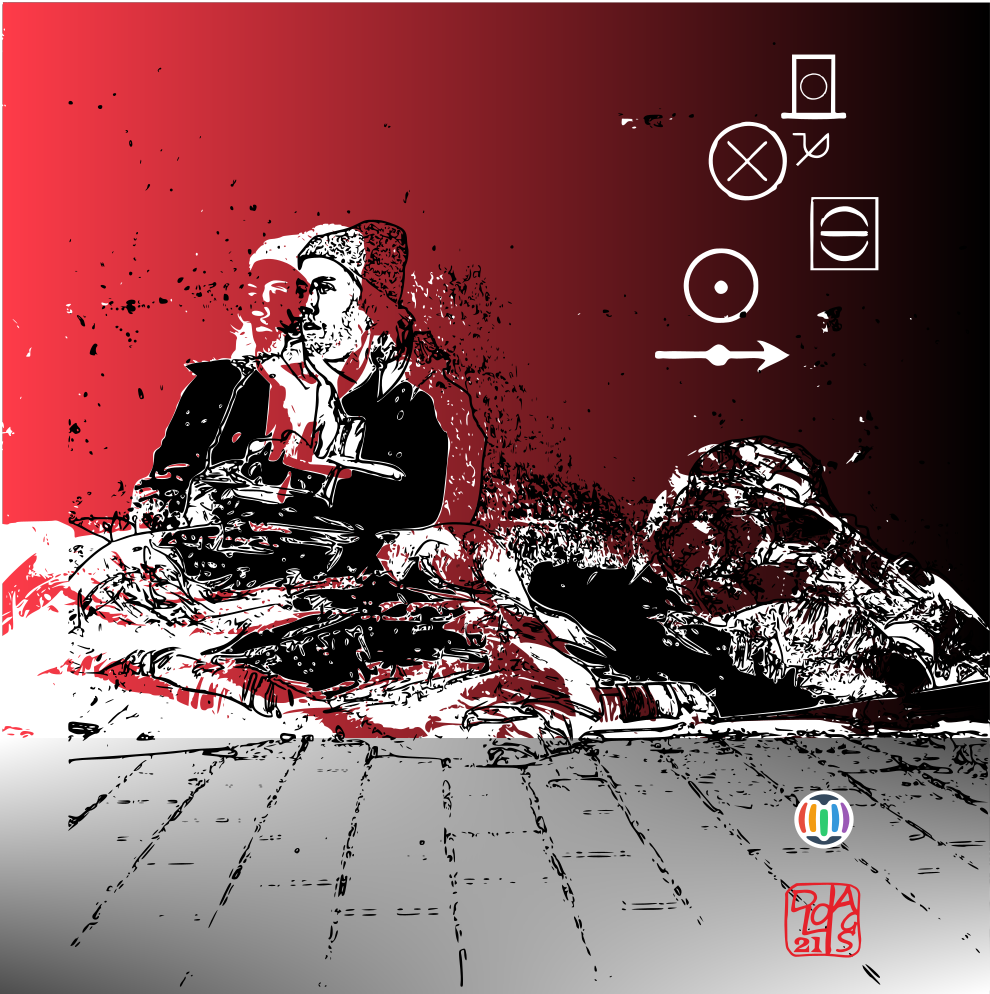
Le concept de la « Journée mondiale des sans-abri » est né de discussions en ligne entre des personnes travaillant dans le domaine de l’exclusion liée au logement dans diverses régions du monde. La Journée mondiale des sans-abri inaugurale a été célébrée le 10 octobre 2010 (…) L’objectif de la Journée mondiale des sans-abri est d’attirer l’attention sur les personnes…Lire la suite10 octobre – Journée mondiale des sans-abri
L’accès à des quantités suffisantes d’aliments sûrs est indispensable pour une bonne santé et dans la vie en général. Causées par des virus, des parasites ou des substances chimiques qui entrent dans le corps par le biais d’aliments ou d’eau ayant subi une contamination, les maladies d’origine alimentaire sont généralement de nature infectieuse ou toxique et elles restent souvent invisibles…Lire la suite7 juin – Journée internationale de la sécurité sanitaire des aliments
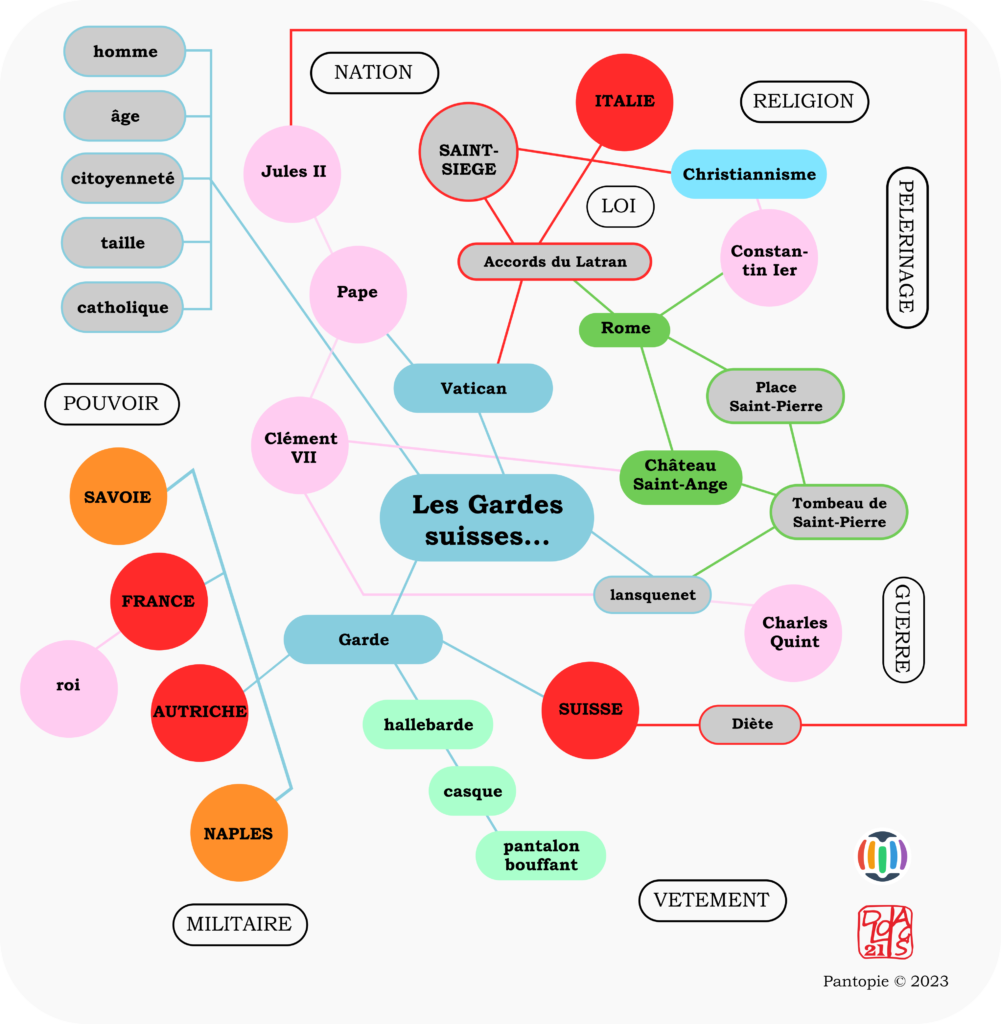
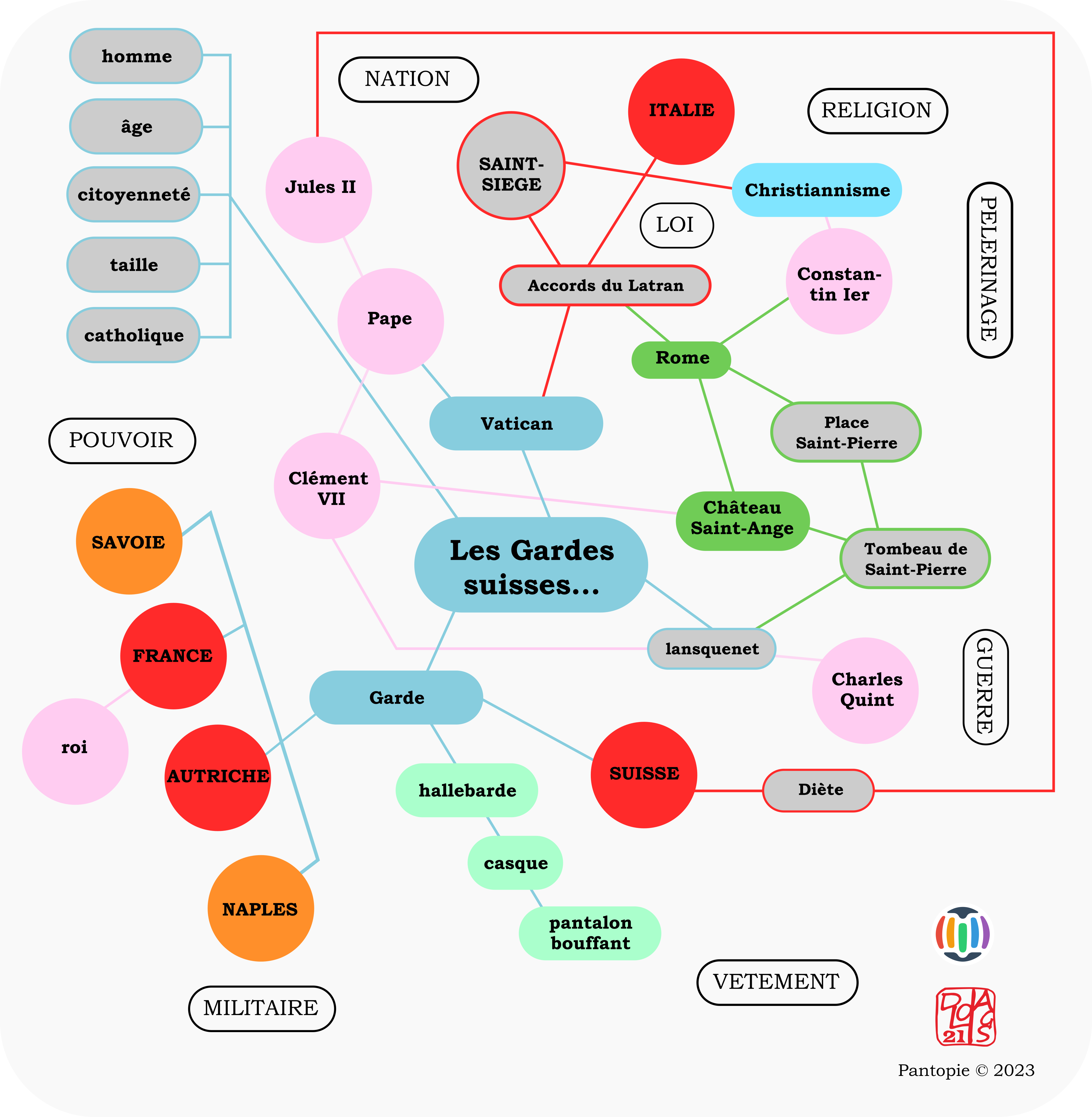
L’État de la Cité du Vatican, enclavé dans Rome, naît le 11 février 1929 avec les accords du Latran et forme avec le Saint-Siège l’entité communément appelée Vatican, dirigée par le pape. Parmi ses édifices majeurs, la place Saint-Pierre donne accès à la basilique voulue par l’empereur Constantin Ier comme haut lieu de pèlerinage chrétien. Mais un élément singulier retient l’attention : des soldats en tenue chamarrée, armés de hallebardes, connus sous le nom de Gardes suisses. Leur présence s’explique par une tradition européenne ancienne, les cours faisant appel à des troupes suisses réputées pour leur loyauté. Les rois de France y eurent recours dès le XVe siècle. Dans ce contexte, le pape Jules II demanda en 1505 l’envoi de soldats suisses, et la Garde suisse pontificale fut officiellement fondée à Rome le 22 janvier 1506. Son fait d’armes le plus célèbre survint le 6 mai 1527, lorsque 147 gardes périrent en protégeant la fuite du pape Clément VII lors du sac de Rome. Cette date marque encore le serment annuel des recrues. Si la hallebarde relève aujourd’hui du cérémonial, la garde demeure opérationnelle. Présente depuis plus de cinq siècles, forte de 135 hommes triés sur le volet, elle reste un symbole vivant de fidélité et de continuité.Lire la suiteLes Gardes suisses…

La sécurité psychologique désigne un climat dans lequel chacun peut parler, questionner, essayer, se tromper sans crainte d’être humilié ou puni.
Décrite par Amy Edmondson et rendue concrète par Kim Scott à travers la candeur radicale, elle n’est pas une question de confort, mais de courage rendu possible.
Sans sécurité, la peur domine et les réactions prennent le dessus.
Avec suffisamment de sécurité, l’appréciation peut émerger : écouter, apprendre, répondre.
Éduquer, diriger, coopérer commencent par là.
La sécurité est ce qui permet de passer la ligne, pas par effort individuel mais par un environnement qui soutient
La ligne n’est plus seulement intérieure, elle devient collective et contextuelle.
Références :
Amy Edmondson – The Fearless Organization
Kim Scott – Radical Candor
– SOCIETE – Groupe – Confiance
– PSYCHOLOGIE – Sécurité – Peur
– EDUCATION – Apprentissage – Erreur
– TRAVAIL – Management – Coopération
– ETHIQUE – Respect – ResponsabilitéLire la suiteSécurité psychologique [Ligne]

« Fight Club » est à la fois un roman écrit par Chuck Palahniuk en 1996 et un film réalisé par David Fincher en 1999. L’histoire suit un narrateur anonyme, interprété par Edward Norton dans le film, qui souffre d’insomnie et de désillusionnement dans la société de consommation. Il rencontre Tyler Durden, joué par Brad Pitt, un vendeur de savon charismatique et…Lire la suiteFight Club

« 1984 » est un roman dystopique écrit par George Orwell et publié en 1949. L’histoire se déroule dans un monde totalitaire dirigé par un régime oppressif connu sous le nom de « Parti ». Le protagoniste, Winston Smith, travaille pour le Parti en réécrivant l’histoire pour correspondre aux mensonges propagandistes du régime. Il commence à remettre en question la vérité officielle et à…Lire la suite1984
Qu’est-ce que le conflit ? Comment surgit-il et se déploie-t-il dans les relations humaines et entre les sociétés, et pourquoi certaines formes de conflit, guerres, exils, occupations, résistances, s’imposent-elles aux individus et aux peuples sans qu’ils les aient choisies ? Comment ces conflits majeurs marquent-ils durablement les corps, les territoires, les mémoires et les cultures ? Comment nos vies ordinaires sont-elles traversées, en permanence, par des conflits d’idées, de valeurs, de vérités, d’intérêts, de récits ou de territoires, à l’échelle individuelle, sociale ou symbolique ? Que nous apprennent l’histoire, les sciences humaines et l’expérience vécue sur la manière dont les êtres humains affrontent, subissent, transforment ou dépassent ces tensions multiples ? En quoi l’éducation au conflit engage-t-elle la capacité à reconnaître la conflictualité comme une donnée fondamentale de l’existence, à distinguer ce qui relève de l’affrontement destructeur et ce qui peut devenir dialogue, transformation ou création ? Comment une éducation aux conflits, qu’ils soient extrêmes ou quotidiens, peut-elle aider à vivre avec lucidité, à préserver la dignité et à ouvrir des chemins de compréhension, de résistance et de dépassement ?…Lire la suiteÉduquer au conflit
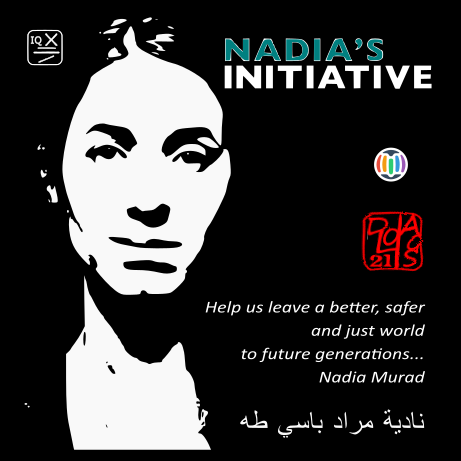

Prenons place dans le véhicule du destin aux côtés de Nadia Murad, et plongeons dans son histoire, à la rencontre de l’Histoire. Une histoire que la folie humaine a piétinée, détournée de sa trajectoire familiale et aimante, arrachée à son berceau protecteur. À partir de 2014, une déferlante de violences extrêmes projette Nadia et les siens dans une succession d’épreuves abyssales, marquées par l’extermination, l’esclavage sexuel et la tentative d’anéantissement d’un peuple. Pourtant, cette histoire dit aussi, avec force, la persistance de la Vie, qui, malgré la volonté de la faire taire, poursuit son chemin. Ce chemin commence en 1993, avec la naissance de Nadia dans le village de Kojo, en Irak, près de Sinjar, cœur historique de la communauté yézidie aux racines ancestrales. Le yézidisme, tradition plurimillénaire fondée sur la croyance aux sept anges et notamment à Malek Taous, l’ange-paon, s’est transmis au fil des siècles sur les routes du Kurdistan et du Caucase, rythmé par les pèlerinages à Lalesh, les chants et les prières en kurmandji. Survivante devenue témoin, Nadia Murad transforme son histoire personnelle en combat universel en portant la voix des victimes de violences sexuelles et des communautés détruites. La reconnaissance internationale viendra saluer ce combat : Prix Nobel de la Paix en 2018…Lire la suiteNadia Murad… Un combat pour la justice