Dans la pensée bouddhique himalayenne, la connaissance ne se mesure pas à l’accumulation d’informations. Elle renvoie à la notion de ཡོན་ཏན་ (yon tan), terme que l’on traduit imparfaitement par « qualités » ou « vertus ». Les yon tan désignent les qualités intérieures que développe celui qui étudie avec sincérité : discernement, compassion, patience, intelligence et maîtrise de soi. Un…Lire la suiteYon tan, les qualités intérieures
Pantopique : savoir
Un pantopique correspond à la réunion de quelques repères, plus ou moins nombreux, que vous pouvez commenter, compléter, étendre, selon vos propres champs d’expériences, de savoirs, d’enquêtes… - contact@21dialogues21.org
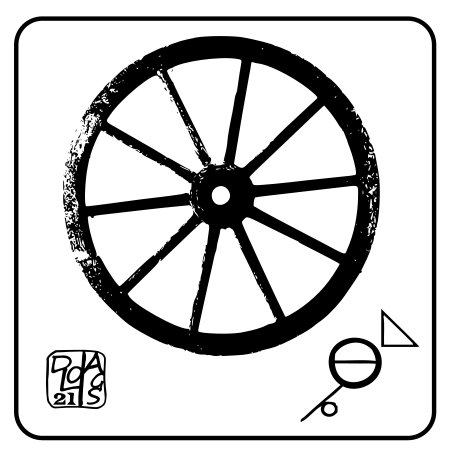
The wheel is a circular mechanical device that rotates around an axis to facilitate the movement of people, animals, and loads. It is considered one of the most important inventions in human history. The first known wheels appeared around 3500 B.C. in Mesopotamia, where they were initially used on potter’s wheels before being adapted for transportation. This invention marked a decisive step in the development of societies, as it made it possible to move much heavier loads with less effort. Thanks to the wheel, trade expanded, distances became easier to travel, and economic activities became more efficient. Its use gradually spread to many civilizations around the world. Over the centuries, the wheel underwent numerous improvements: solid wooden wheels, spoked wheels, metal-rimmed wheels, and eventually wheels fitted with tires. Its importance is not limited to transportation. It also gave rise to numerous technical mechanisms, such as mills, gears, clocks, industrial machinery, and many tools. The wheel thus plays an essential role in the fields of agriculture, crafts, industry, and transportation.Lire la suiteroue
Vous pouvez compléter, modifier, améliorer cette indéfinition ou en proposer une autre au regard de vos savoirs, langages, pratiques, histoire… qu’elle soit formulée sur un mode scientifique, culturel, poétique… contact@21dialogues21.org
Johann Georg Faust est une figure historique qui se situe à la frontière entre réalité et légende. Né vers la fin du XVe siècle en Allemagne, il aurait exercé les métiers de médecin, d’astrologue et d’alchimiste dans une époque profondément marquée par les croyances religieuses et l’attrait pour les sciences occultes. Son existence est attestée par plusieurs témoignages, mais sa…Lire la suiteJohann Georg Faust
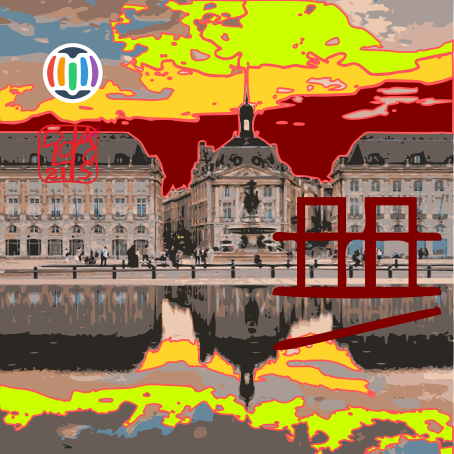
Situé sur la place des Quinconces, le Monument aux Girondins rend hommage aux députés girondins, figures emblématiques de la Révolution française. Érigé entre 1894 et 1902, il se compose d’une colonne de 43 mètres surmontée d’une statue allégorique de la Liberté brisant ses chaînes. À sa base, deux grands bassins ornementés de sculptures de chevaux marins, de néréides et de…Lire la suiteMonument aux Girondins
Par son emploi se manifestaient des significations hier inconnues, et celle de la corne d’asjinc y figurait. A cet instant le visiteur remit à chacun un exemplaire du trousseau optique, et tous purent bientôt s’enquérir de cet objet auparavant mystérieux. Et la connaissance qu’ils pouvaient désormais en avoir s’étendait à leur demande, renvoyant à des combinaisons de formes dont le…Lire la suite39. Des combinaisons de formes en silence…
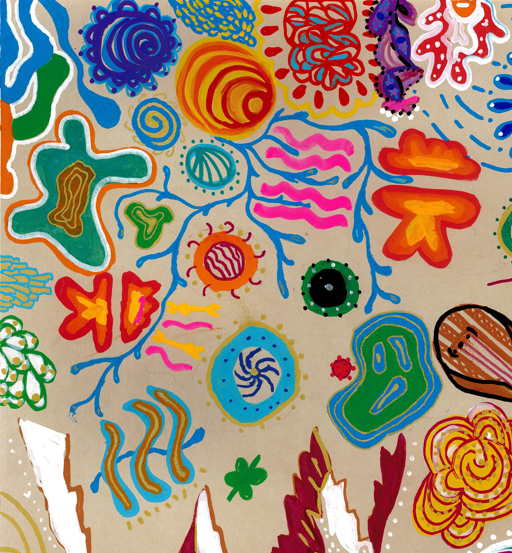
Durant ses derniers jours, affairé comme il ne l’avait jamais été, le visiteur avait ainsi relié l’ensemble des connaissances de la Cité en un vaste réseau de correspondances secrètes. Les usagers des clés optiques avaient ainsi loisir de s’y aventurer à présent sans risquer de s’y perdre, et leur sentiment après avoir pris les couleurs de la surprise et de…Lire la suite41. Reliant l’ensemble des connaissances de la Cité…
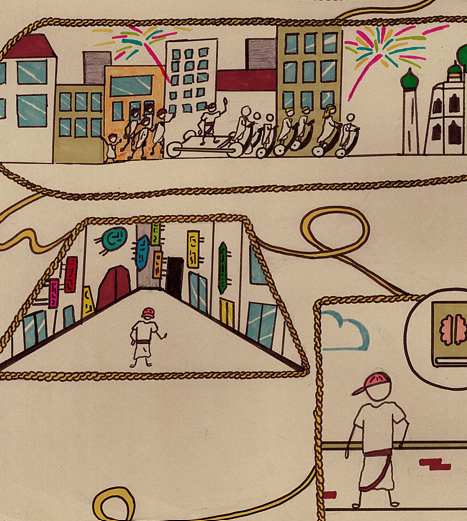
Ainsi passèrent les semaines et les mois, quoiqu’il fût difficile de compter le temps en ces lieux. L’homme y glana quantité d’informations disparates, détails insignifiants, connaissances éparses. Ici comme partout ailleurs, régnaient de grands cloisonnements. Chacun attaché à son savoir, sa culture, son pouvoir, son langage, mettait un point d’honneur à ne les partager qu’en d’exceptionnelles circonstances. Ici comme ailleurs,…Lire la suite12. Difficile de compter le temps en ces lieux…
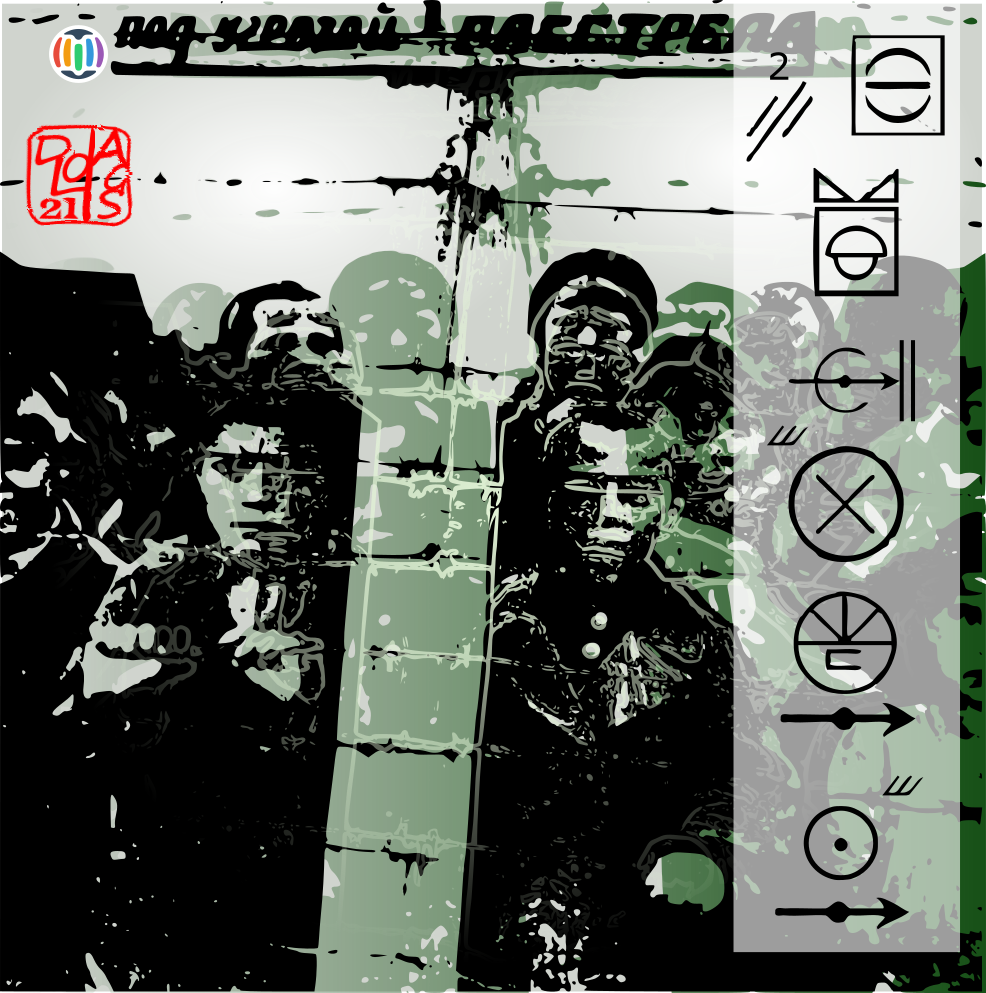
L’Assemblée générale des Nations Unies, par sa résolution adoptée le 22 novembre 2004, a proclamé les 8 et 9 mai Journées du souvenir et de la réconciliation, pour rendre à toutes les victimes de la Seconde Guerre mondiale l’hommage qui leur est dû. La Seconde Guerre mondiale a présidé à la création de l’Organisation des Nations Unies, qui a pour…Lire la suite8 mai – Journées du souvenir et de la réconciliation en l’honneur des morts de la Seconde Guerre mondiale
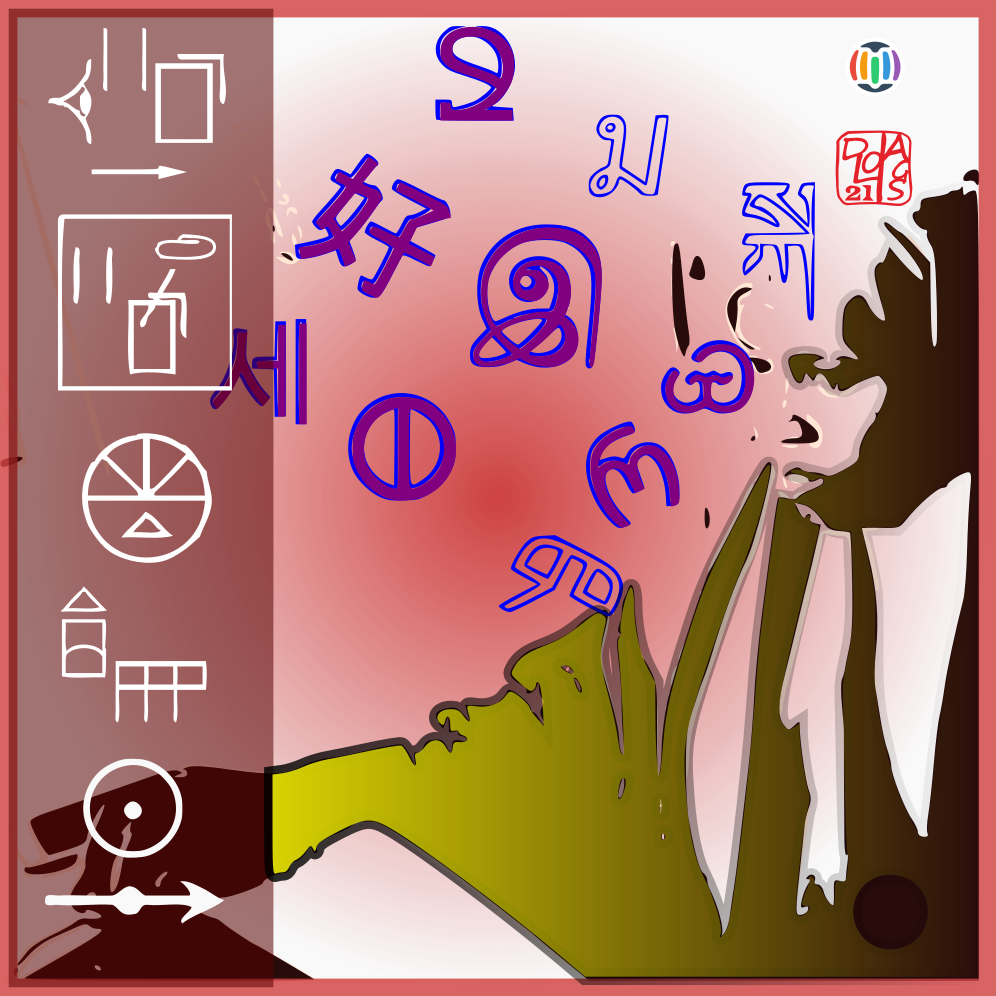
Depuis 1967, la Journée internationale de l’alphabétisation est célébrée chaque année à travers le monde pour rappeler au public l’importance de l’alphabétisation en tant que facteur de dignité et de droits humains et pour faire progresser l’agenda de l’alphabétisation pour une société plus instruite et durable. Malgré les progrès réalisés, les défis persistent, car au moins 773 millions d’adultes dans…Lire la suite8 septembre – Journée internationale de l’alphabétisation
L’ICA (Conseil international des archives) estime qu’une gestion efficace des documents et des archives est une condition préalable essentielle à la bonne gouvernance, à l’État de droit, à la transparence administrative, à la préservation de la mémoire collective de l’humanité et à l’accès des citoyens à l’information. L’ICA a décidé de lancer la Journée Internationale des Archives, le 9 juin.…Lire la suite9 juin – Journée Internationale des Archives
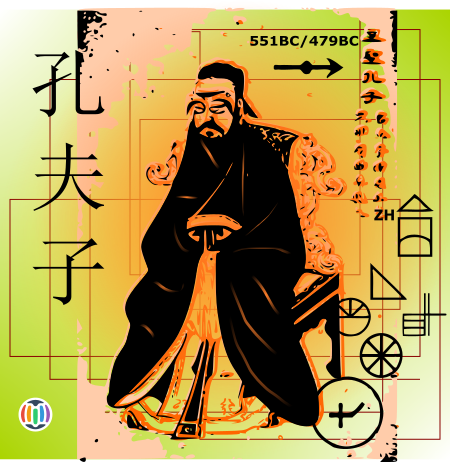
Confucius 孔夫子 (551-479 av. J.-C.) fut un philosophe, penseur politique et éducateur chinois dont les enseignements ont profondément marqué la culture et la société de son pays. Né à Qufu, dans l’actuelle province du Shandong, issu d’une famille de petite noblesse, il consacra sa vie à l’étude, à l’enseignement et à la recherche du perfectionnement moral. Ses idées, rassemblées dans le Lunyu ou Les Entretiens, insistent sur la moralité, la vertu et l’harmonie sociale, valorisant des qualités telles que la bienveillance, le respect, la loyauté et la sincérité, ainsi que le respect des rites et des traditions. Il formula également des principes sur la gouvernance, soulignant la responsabilité du souverain envers le peuple et la nécessité d’une administration fondée sur la bienveillance. Bien que ses enseignements aient parfois été négligés au cours de l’histoire, ils furent réhabilités et devinrent la base de la philosophie politique et de l’éducation en Chine. Confucius enseigna à de nombreux disciples et, après sa mort, son influence ne cessa de croître, le consacrant parmi les plus grands sages de l’histoire chinoise.Lire la suiteConfucius
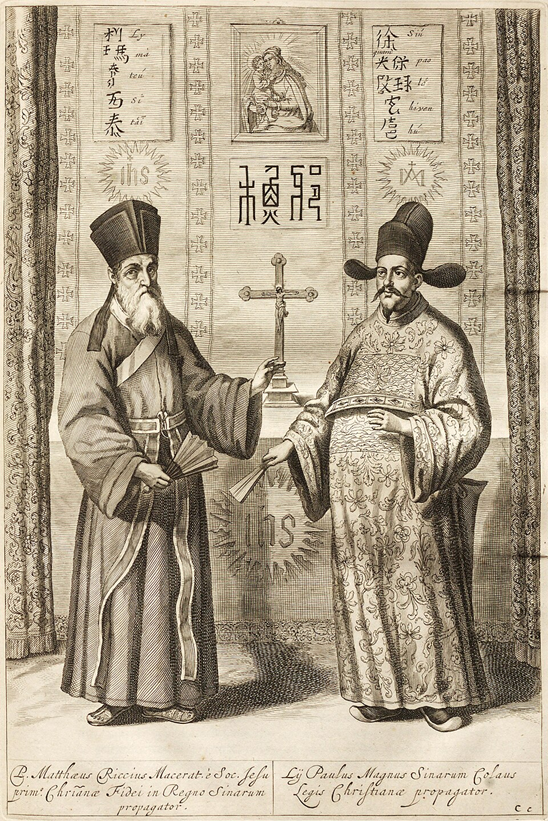
Le palais de mémoire de Matteo Ricci (1552–1610) s’inscrit dans l’ars memoriae occidentale, héritée de l’Antiquité et pratiquée à la Renaissance. Arrivé en Chine en 1583, Ricci adapta ces techniques aux lettrés chinois via son traité Xiguo jifa (~1596), proposant un édifice mental imaginaire structuré en entrées, salles, couloirs et niveaux, dont la fixité et l’ordre favorisent la mémorisation. Chaque espace, ou locus, accueille des images mentales marquées représentant les informations à retenir, organisées hiérarchiquement : les grandes salles pour les notions générales, les secondaires pour les détails, les divisions verticales pour des catégories ou degrés de connaissance. L’originalité de Ricci réside dans l’adaptation au contexte intellectuel chinois, utilisant des analogies avec le classement et l’ordonnancement des savoirs. Son palais de mémoire est ainsi à la fois outil mnémotechnique et méthode de formation intellectuelle fondée sur discipline, ordre et exercice régulier de la mémoire.Lire la suitePalais de mémoire de Matteo Ricci
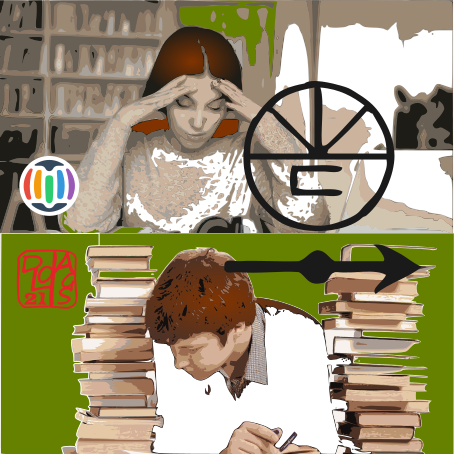
Elie Wiesel (1928-2016) est un écrivain, philosophe et témoin majeur de la Shoah. Né à Sighet, en Transylvanie (alors en Roumanie), il est déporté en 1944 avec sa famille à Auschwitz-Birkenau, puis à Buchenwald, où il est libéré en avril 1945. Seul survivant de sa famille proche, il fait de cette expérience fondatrice le cœur de son œuvre. Installé en…Lire la suiteElie Wiesel
Simonide de Céos (v. 556 – v. 468 av. J.-C.) est un poète lyrique grec originaire de l’île de Céos, actif entre l’époque archaïque et l’époque classique. Il fréquente les cours aristocratiques d’Athènes, de Thessalie et de Syracuse, notamment celle du tyran Hiéron Ier. Reconnu dans l’Antiquité pour ses élégies, épinicies et poèmes funéraires, il est également associé à une réflexion fondatrice sur la mémoire. Selon une tradition rapportée par Cicéron, Simonide serait à l’origine de la méthode des lieux (ars memoriae). La légende raconte qu’après l’effondrement d’une salle de banquet, il identifia les victimes grâce au souvenir précis de leur place. De cette expérience serait née une technique mnémotechnique consistant à associer des idées à des lieux ordonnés, réels ou imaginaires, afin de structurer le souvenir. En parcourant mentalement ces espaces, l’orateur peut restituer un discours avec exactitude. Cette méthode souligne le rôle de l’imagination visuelle et fait de la mémoire un art conscient, au service de la parole et de la rhétorique antique.Lire la suiteSimonide de Céos
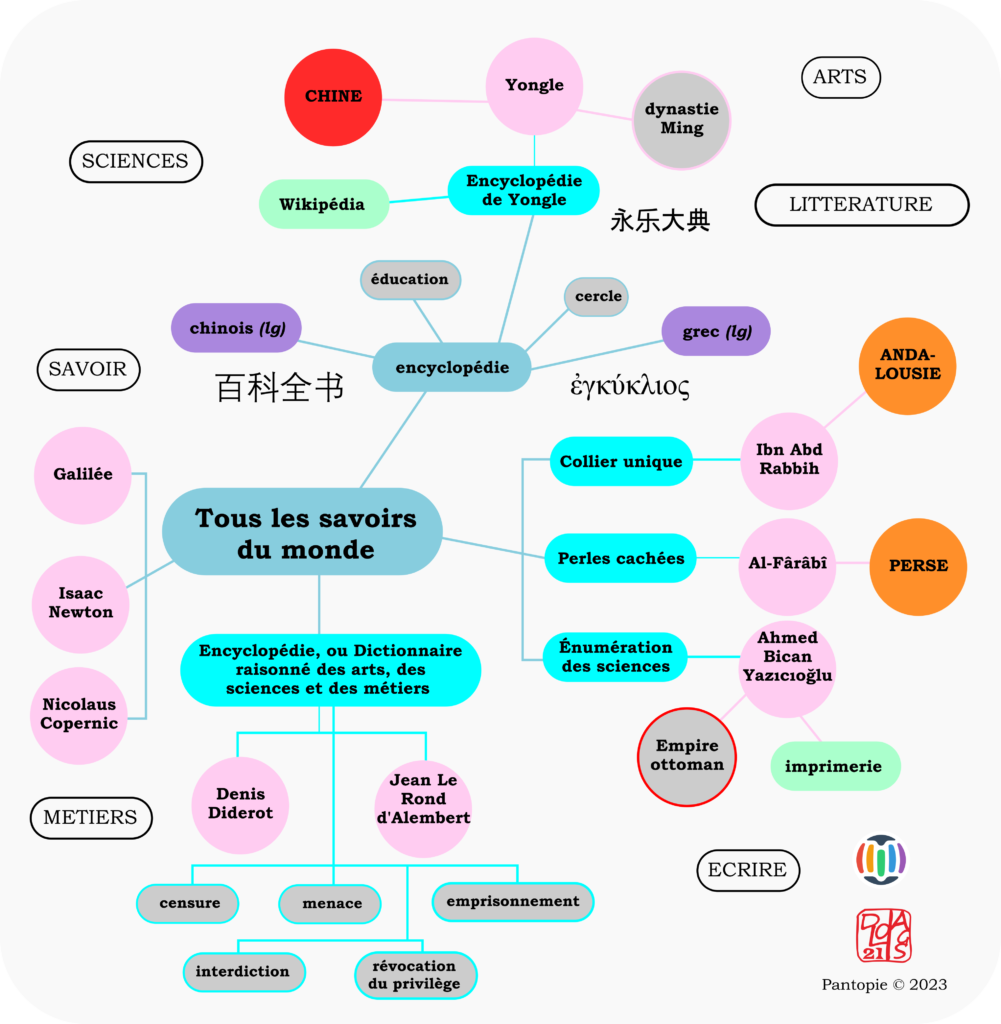
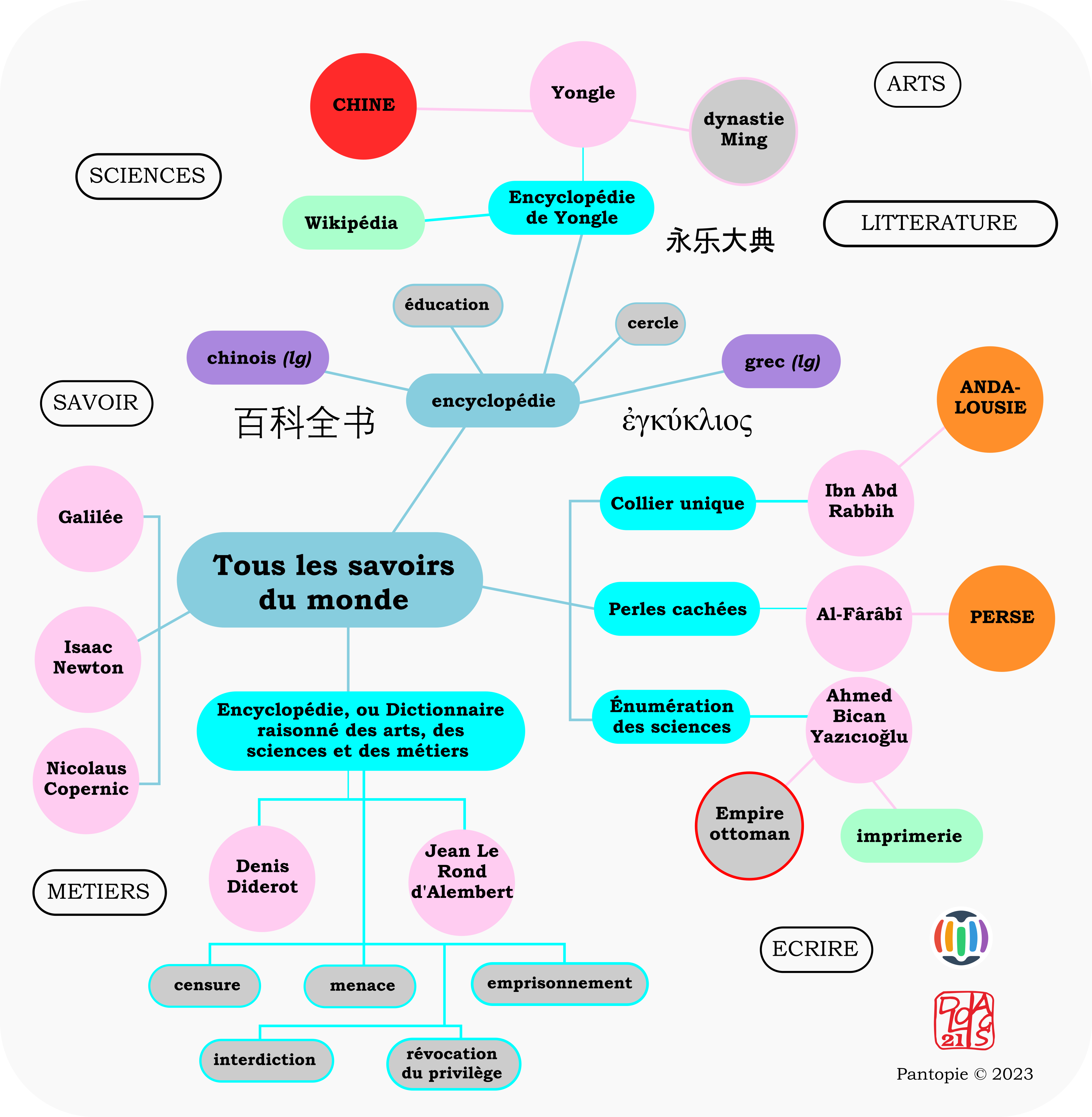
« Encyclopédie » vient du grec ancien ἐγκύκλιος, énkúklios, issu de kuklos, le « cercle », et παιδεία, paideía, « instruction » : l’idée d’une éducation embrassant l’ensemble des savoirs. En chinois, le terme 百科全书 bǎikē quánshū, « le livre complet aux cent sciences », dit la même ambition. Partout, des civilisations prestigieuses ont relevé ce défi. En Chine, l’Encyclopédie de Yongle mobilisa près de 2 000 savants entre 1403 et 1408 pour produire plus de 11 000 volumes. Dans le monde arabo-musulman, fleurirent des œuvres majeures comme celles de Ibn Abd Rabbih, d’Al-Fârâbî ou d’Ahmed Bican Yazıcıoğlu. Puis, au XVIIIᵉ siècle, l’Europe vit naître l’Encyclopédie**, dirigée par Denis Diderot et Jean le Rond d’Alembert. Nourrie par les révolutions intellectuelles de Copernic, Galilée ou Isaac Newton, elle mobilisa plus de 150 collaborateurs entre 1751 et 1772. Malgré censures et interdictions, elle incarna une audace durable : transmettre librement le savoir.Lire la suiteTous les savoirs du monde
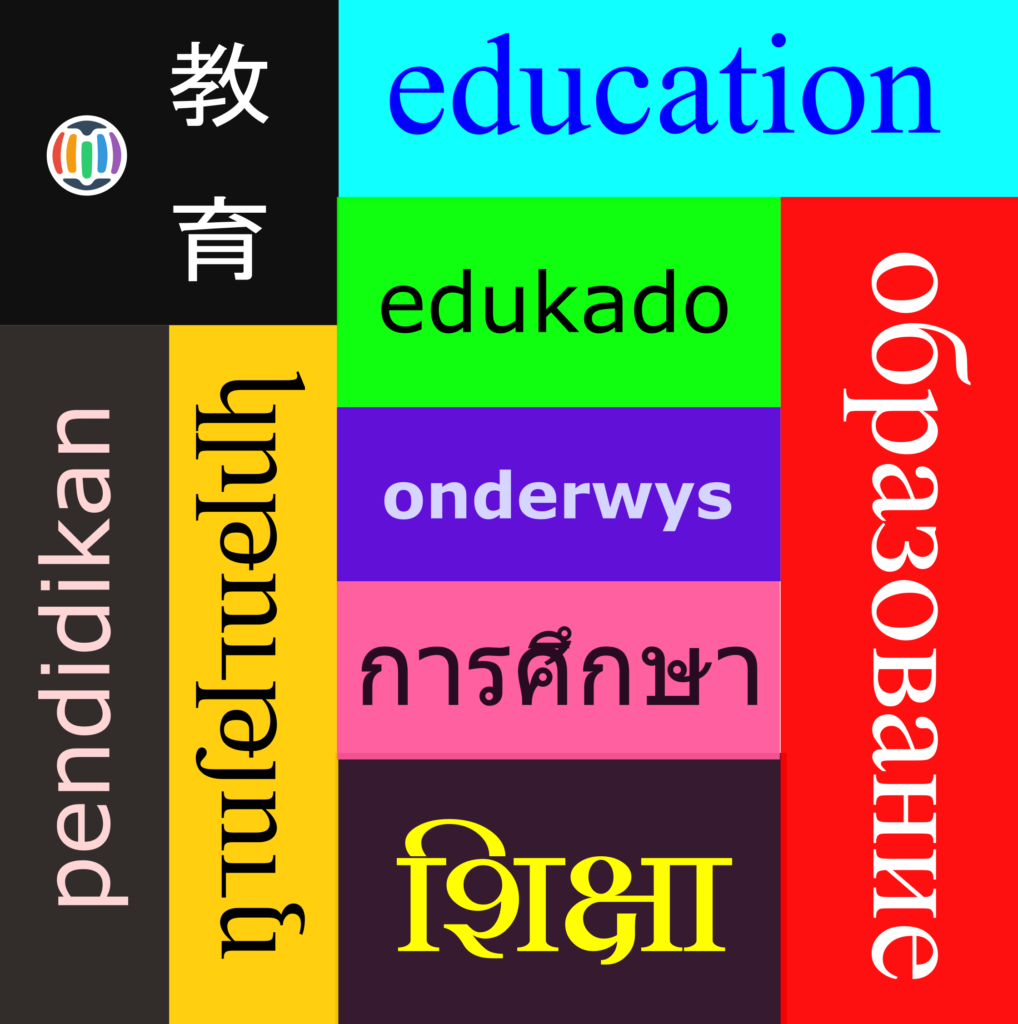
Qu’est-ce que la mémoire ? Comment se forme-t-elle, se conserve-t-elle et se transforme-t-elle ? Que nous apprennent les sciences sur ses mécanismes biologiques, psychiques et cognitifs ? Comment les sociétés humaines ont-elles organisé la transmission de la mémoire, à travers les récits, les traditions, l’écriture, les monuments, les archives et les œuvres culturelles ? Que signifie se souvenir, oublier, sélectionner…Lire la suiteÉduquer à la mémoire
Qu’est-ce qu’un savoir ? Comment se construit-il, se valide-t-il et se transmet-il ? Quels rapports les individus et les sociétés entretiennent-ils avec les connaissances, qu’elles soient scientifiques, techniques, artistiques, culturelles ou encore issues de l’expérience ? Comment la relation aux savoirs se renforce-t-elle au gré des parcours éducatifs, des contextes sociaux et des histoires personnelles ? Que nous apprennent les…Lire la suiteÉduquer aux savoirs…
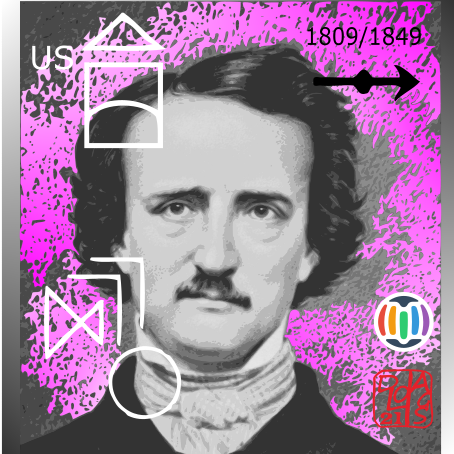
Dans The Raven (1845), Lenore apparaît comme une figure absente mais centrale, dont la présence se manifeste précisément par son absence. Elle n’est jamais décrite physiquement, ce qui la transforme en symbole plutôt qu’en personnage, concentrant le chagrin, le désir et la mémoire du narrateur. Lenore incarne l’idéal féminin perdu, associé à la beauté, à la pureté et à une…Lire la suiteLenore dans The Raven [Poe]
À mesure que l’intelligence artificielle s’insinue dans les dispositifs de stockage, de classement et de restitution des traces du passé, la mémoire humaine se trouve tour à tour externalisée, augmentée et fragilisée. Assistants numériques, moteurs de recommandation, archives dites « intelligentes » et systèmes de rappel automatisé modifient le rapport au souvenir, en privilégiant ce qui est conservé, rendu visible ou réactivé. La mémoire tend alors moins à être un travail intérieur, sélectif et conflictuel, qu’un flux disponible, indexé et reconfigurable à la demande. Cette évolution brouille la frontière entre mémoire individuelle et mémoire collective, désormais largement dépendante d’architectures techniques et de logiques algorithmiques qui orientent l’oubli autant que la réminiscence. Si ces dispositifs promettent une préservation accrue et une transmission élargie, ils comportent aussi le risque d’une mémoire standardisée, décontextualisée ou manipulable. L’enjeu éducatif devient alors décisif : apprendre à reconnaître toute mémoire médiatisée comme une construction, comprendre les mécanismes de sélection et de hiérarchisation numériques, et cultiver une relation active et critique au souvenir. Éduquer à la mémoire à l’ère de l’IA, c’est aussi transmettre le sens de l’oubli, du silence et de la responsabilité, afin que la mémoire demeure un espace vivant de transmission plutôt qu’un simple entrepôt automatisé de traces.Lire la suiteMémoire & IA
Les savoirs, longtemps structurés par des institutions, des disciplines et des transmissions lentes, sont profondément bousculés par l’intelligence artificielle. En donnant un accès immédiat à des masses d’informations et en produisant des synthèses, explications ou raisonnements apparents, l’IA brouille la frontière entre connaissance acquise et réponse générée. Le savoir tend ainsi à devenir une ressource disponible à la demande, détachée de l’effort, du temps et des contextes qui fondent sa construction. Si ces outils peuvent soutenir l’apprentissage, la recherche et la circulation des connaissances, ils risquent aussi d’affaiblir la compréhension des processus par lesquels les savoirs se forment, se discutent et se transforment. La question n’est plus seulement de savoir quoi connaître, mais comment se situer face à des systèmes produisant un discours savant sans responsabilité épistémique. Penser les savoirs à l’ère de l’IA implique de cultiver l’esprit critique, d’interroger les sources, de reconnaître les limites des généralisations algorithmiques et de maintenir le lien entre savoir, expérience et jugement collectif.Lire la suiteSavoir & IA