
Marie François Sadi Carnot (1837-1894) est un homme d’État français qui fut le quatrième président de la Troisième République. Petit-fils du savant Lazare Carnot, il est né à Limoges le 11 août 1837. Ingénieur de formation, il sort diplômé de l’École polytechnique avant d’entrer dans la carrière politique. Député puis ministre à plusieurs reprises, il se distingue par sa rigueur,…Lire la suiteMarie François Sadi Carnot
Pantopique : Pays-Europe
Un pantopique correspond à la réunion de quelques repères, plus ou moins nombreux, que vous pouvez commenter, compléter, étendre, selon vos propres champs d’expériences, de savoirs, d’enquêtes… - contact@21dialogues21.org
La Fille du régiment est un opéra-comique en deux actes de Gaetano Donizetti, sur un livret de Jules-Henri Vernoy de Saint-Georges et Jean-François Bayard. Créé à l’Opéra-Comique de Paris en 1840, il constitue l’un des plus grands succès du compositeur dans le répertoire français. Œuvre brillante et pleine de vitalité, elle associe la virtuosité du bel canto italien à l’esprit…Lire la suiteLa Fille du régiment
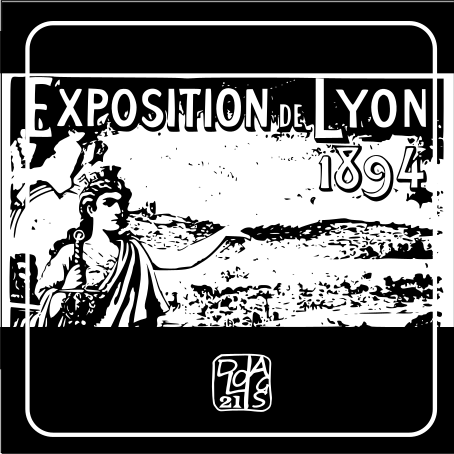
The Lyon Universal, International, and Colonial Exposition was held in 1894 at the Parc de la Tête d’Or. Organized between the Paris World’s Fairs of 1889 and 1900, it aimed to showcase the industrial, scientific, and commercial advances of the time. The event opened on April 29, 1894, and attracted numerous French and foreign exhibitors. Large pavilions were dedicated to industry, agriculture, the arts, and transportation. A major colonial section showcased the territories of the French Empire. Visitors discovered products, technologies, and cultures from around the world. The exposition also served as a venue for entertainment, featuring shows, concerts, and attractions. An electric tram provided transportation within the grounds. Lyon’s infrastructure was modernized to accommodate the millions of visitors expected. Mayor Antoine Gailleton played a key role in organizing the event. Among the exhibitors were the Michelin brothers, André and Édouard Michelin, who showcased their innovations in the field of tires and helped raise awareness of developments in the automobile and cycling industries. The exhibition was a huge popular success, attracting approximately 3.8 million visitors. However, it was marred by a tragic event. On June 24, 1894, the President of the French Republic, Sadi Carnot, was assassinated during an official visit to Lyon.Lire la suiteExposition universelle de Lyon – 1894
Stendhal, de son vrai nom Marie-Henri Beyle (1783-1842), fut un écrivain français majeur du XIXe siècle, connu pour ses romans réalistes et psychologiques. Né à Grenoble, il mène une vie mouvementée, alternant entre une carrière militaire, des voyages à travers l’Europe et des expériences amoureuses tumultueuses. Son pseudonyme, Stendhal, est inspiré par la ville allemande de Stendal, où il séjourne…Lire la suiteStendhal
Jean-Auguste-Dominique Ingres, né à Montauban en 1780 et mort à Paris en 1867, est l’un des grands maîtres du néoclassicisme français. Élève de Jacques-Louis David, il s’impose comme le défenseur de la ligne, du dessin et de l’idéal antique, face au romantisme naissant. Son art, à la fois rigoureux et sensuel, exprime une recherche d’harmonie et de perfection formelle. Après…Lire la suiteJean-Auguste-Dominique Ingres
Honoré de Balzac (1799-1850) fut un écrivain français, l’un des plus éminents du XIXe siècle, connu pour son œuvre monumentale « La Comédie humaine ». Né à Tours, il monte à Paris pour étudier le droit, mais il abandonne rapidement cette carrière pour se consacrer à l’écriture. Après des débuts littéraires difficiles sous divers pseudonymes, il connaît le succès avec « Les Chouans »…Lire la suiteHonoré de Balzac
Horace Vernet, né à Paris en 1789 et mort en 1863, est un peintre renommé du XIXᵉ siècle, issu d’une lignée d’artistes : petit-fils de Joseph Vernet, célèbre pour ses marines, et fils de Carle Vernet, peintre de batailles et de chevaux. Héritier de cette tradition, Horace Vernet se distingue très tôt par son talent et son goût pour la…Lire la suiteHorace Vernet
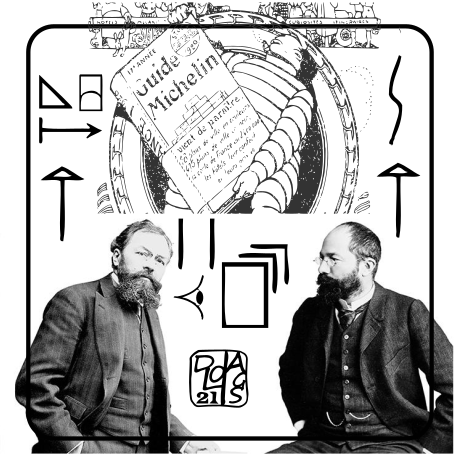
The Michelin Guide was launched at the turn of the 20th century, at a time when automobiles were still a rarity. Its initial goal was simple: to encourage travel and thereby promote the use of tires. To assist drivers, the guide provided practical information on roads, repair shops, and places to eat. Over time, the publication underwent a profound transformation. Its restaurant reviews eventually became its most famous feature. Michelin stars gradually gained global influence over the reputations of restaurants and chefs. The guide reflects how mobility transforms eating habits. Traveling involves eating, discovering new places, and exploring culinary traditions. Tires, roads, and gastronomy are thus linked within a single narrative. The Michelin Guide perfectly illustrates the sometimes unexpected cultural consequences of technical innovation.Lire la suiteGuide Michelin
Eugène Delacroix, né à Charenton en 1798 et mort à Paris en 1863, est la grande figure du romantisme pictural français. Élève de Pierre-Narcisse Guérin et admirateur de Rubens et des maîtres vénitiens, il s’impose dès le début du XIXᵉ siècle comme le rival d’Ingres, représentant du néoclassicisme. Delacroix privilégie la couleur, le mouvement et la passion, opposant à la…Lire la suiteEugène Delacroix
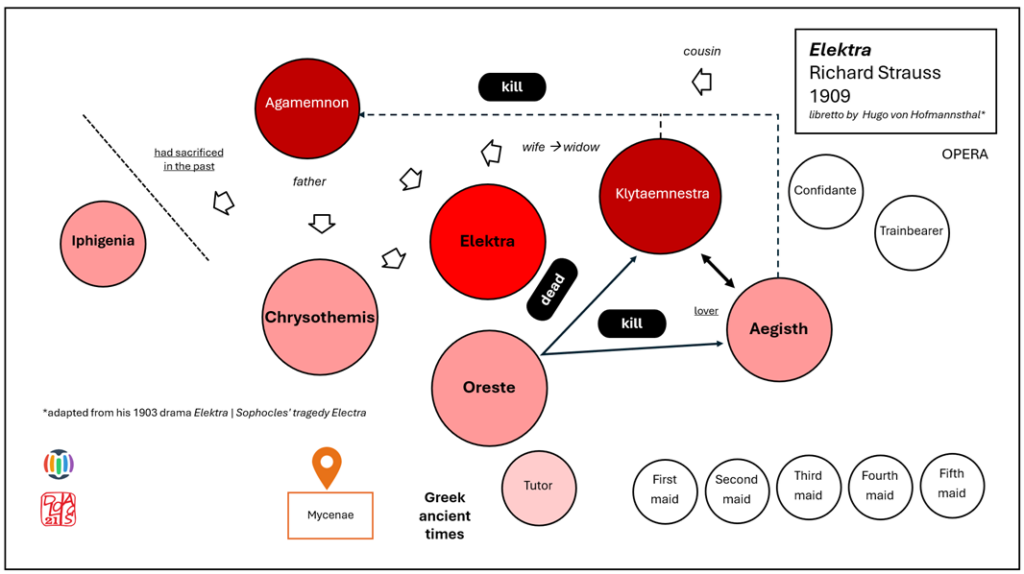
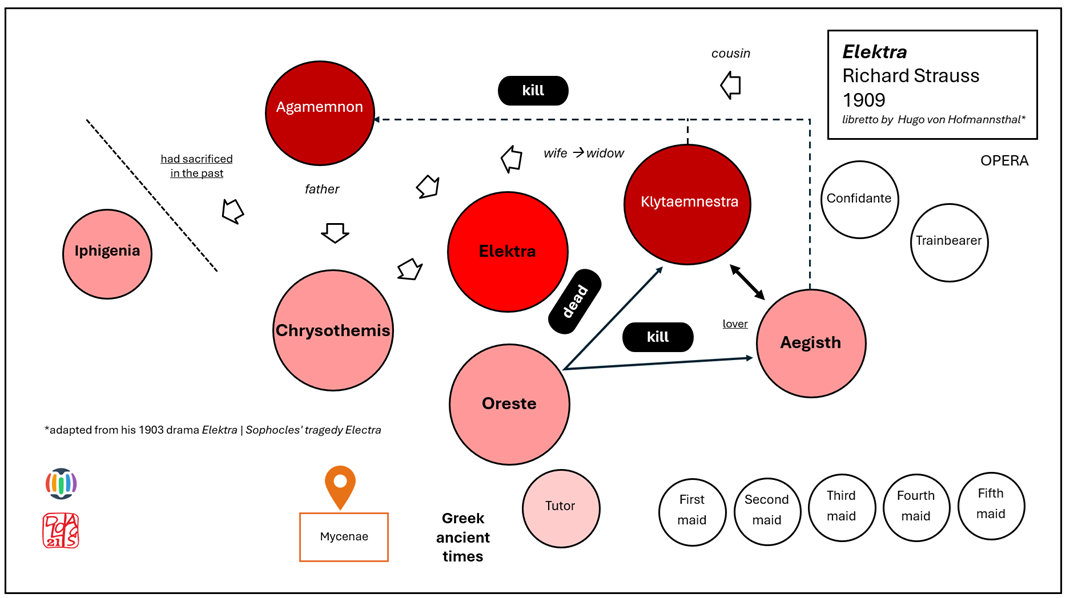
Elektra est un opéra en un acte de Richard Strauss, sur un livret de Hugo von Hofmannsthal d’après la tragédie d’Euripide et surtout la réécriture moderne du dramaturge autrichien. Créé le 25 janvier 1909 au Königliches Opernhaus de Dresde, l’ouvrage marque une étape décisive dans l’histoire de l’opéra du XXᵉ siècle par son langage harmonique audacieux, son intensité psychologique extrême…Lire la suiteElektra
Ernest Renan (1823-1892) fut un écrivain, philologue, historien et philosophe français, célèbre pour ses travaux sur l’histoire des religions et ses idées progressistes. Né à Tréguier, en Bretagne, il reçoit une éducation religieuse et se destine initialement à la prêtrise. Cependant, ses études à Paris le conduisent à remettre en question sa foi, et il abandonne le séminaire pour se…Lire la suiteErnest Renan
Le débat entre « chocolatine » et « pain au chocolat » est une querelle bon enfant qui divise les Français depuis des générations. Pourtant, cette petite question est profondément ancrée dans notre terreau culturel et linguistique. Sans prétendre ici trancher un différend dont l’intensité et la régularité ne cessent d’étonner, risquons-nous ici à quelques mentions, sources de controverses plus…Lire la suiteChocolatine ou pain au chocolat ? Le débat fait rage…
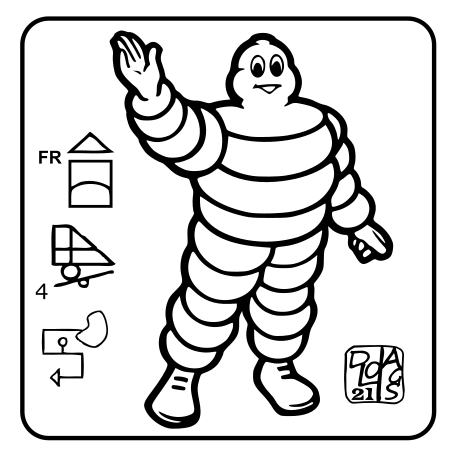
Created in 1898, Bibendum is Michelin’s mascot and one of the world’s most famous advertising figures. Made up of a stack of tires, this character first appeared at a time when the automobile was still a novelty. His name comes from a Latin expression meaning roughly “one must drink.” In the early posters, Bibendum symbolically “drinks” away the obstacles on the road. Over time, he became much more than an advertising tool. He entered the history of graphic design, design, and popular culture. Few industrial mascots have achieved such longevity. Bibendum demonstrates how modern companies create their own mythologies. Through him, a technical object becomes a character, then a cultural icon. He now belongs as much to the history of art as to that of industry.Lire la suiteBibendum
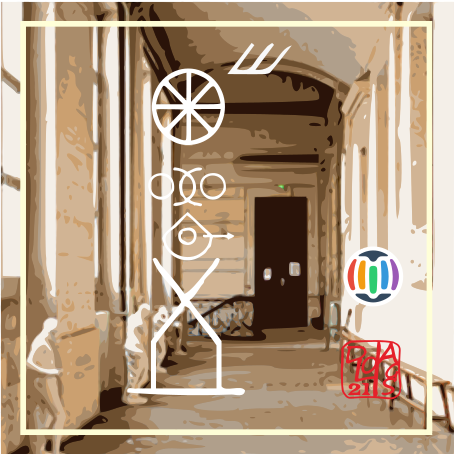
Fondée en 1808 par Isaac Rodrigues-Henriques, la Philomathique de Bordeaux est le fruit du siècle des Lumières. Initialement, l’école avait pour mission de promouvoir le savoir et de diffuser les connaissances scientifiques et techniques parmi les élites bordelaises. Le nom même de « Philomathique », issu des racines grecques « philo » (aimer) et « mathique » (les sciences), traduit…Lire la suitePhilomathique de Bordeaux
Il fallait trouver une héroïne ; beaucoup de noms furent prononcés. Du côté des hommes, Talazac, Taskin et Cobalet formaient une superbe distribution. Mais, pour la Manon, le choix resta indécis. Beaucoup, certes, avaient du talent, une grande réputation même, mais je ne sentais pas une seule artiste qui répondît à ce rôle, comme je le voulais, et qui aurait…Lire la suiteIl fallait trouver une héroïne… (Manon)

Tartan (or breacan) – Tartan is a checkered fabric generally associated with Scotland. Its appearance results from the regular interweaving of threads of different colors in the warp and weft. Although checkered fabrics exist in many parts of the world, tartan has taken on a special place in the Scottish imagination. Starting in the 18th century and especially in the 19th century, certain patterns gradually became associated with clans, families, or institutions. This evolution contributed to the construction of a modern national identity. Tartan demonstrates how a textile pattern can become a collective emblem. Its influence extends far beyond traditional clothing. It can be found in fashion, design, cultural movements, and even certain forms of social protest.Lire la suitetartan
Vous pouvez compléter, modifier, améliorer cette indéfinition ou en proposer une autre au regard de vos savoirs, langages, pratiques, histoire… qu’elle soit formulée sur un mode scientifique, culturel, poétique… contact@21dialogues21.org
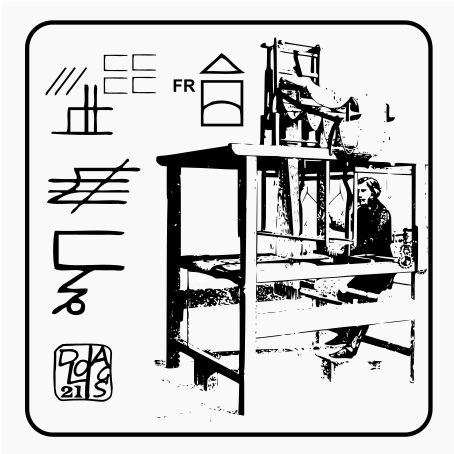
The Jacquard loom, developed in the early 19th century by Joseph Marie Jacquard, marked a major revolution in the history of textiles. His innovation relied on the use of punch cards to automatically control the woven patterns. Thanks to this system, complex designs could be reproduced with unprecedented precision. The Jacquard loom profoundly transformed European textile industries and also influenced Asian production centers. Its significance, however, extends beyond the realm of textiles. The punch cards would later inspire several pioneers of computer science. The Jacquard loom is thus often presented as a forerunner of modern programmable systems. It demonstrates how an innovation born in the world of thread can alter the history of machinery. This convergence of craftsmanship, automation, and information remains one of the most fascinating episodes in industrial history. Here, textiles become a technological laboratory.Lire la suitemétier Jacquard
Vous pouvez compléter, modifier, améliorer cette indéfinition ou en proposer une autre au regard de vos savoirs, langages, pratiques, histoire… qu’elle soit formulée sur un mode scientifique, culturel, poétique… contact@21dialogues21.org

A cummerbund is a wide fabric sash worn around the waist with certain men’s evening wear, particularly a tuxedo. Its origins can be traced directly to the Persian kamarband, which was adopted and adapted by the British during their presence on the Indian subcontinent in the 18th and 19th centuries. The English word “cummerbund” is derived from the Persian term via South Asian languages. Originally, this lightweight fabric band served a practical purpose: it was a convenient alternative to the European waistcoat in hot climates. Gradually, it became a codified element of Western elegance. Traditionally made of silk or satin, the cummerbund is worn with the pleats facing upward, a detail that has given rise to numerous explanations, some practical, others more anecdotal. Its function is as much aesthetic as it is sartorial: it ensures a harmonious transition between the shirt and the trousers while accentuating the silhouette. The cummerbund is a remarkable example of cultural circulation. Born in the world of Persian dress, transformed in India, adopted by British officers, and then integrated into Western formal fashion, it illustrates how garments cross borders, reinvent themselves, and retain the discreet memory of their journeys.Lire la suitecummerbund
Vous pouvez compléter, modifier, améliorer cette indéfinition ou en proposer une autre au regard de vos savoirs, langages, pratiques, histoire… qu’elle soit formulée sur un mode scientifique, culturel, poétique… contact@21dialogues21.org
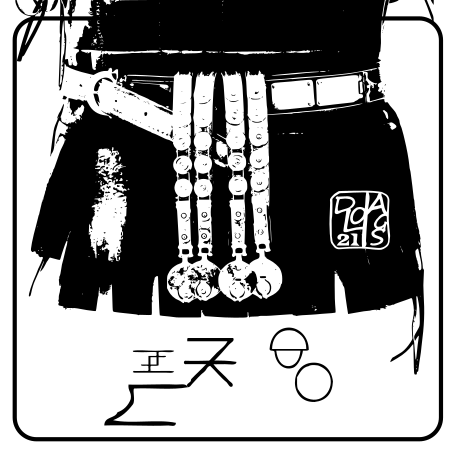
The cingulum is the belt worn by soldiers in ancient Rome. Much more than a mere fashion accessory, it served as a visible sign of membership in the Roman army. Often made of leather and embellished with metal elements, it served to hold certain pieces of equipment in place while clearly distinguishing the soldier from civilians. The decorations adorning it could indicate the wearer’s rank, experience, or prestige. In sculptural depictions, the cingulum contributes to the image of discipline and authority associated with Rome. Its symbolic importance is such that the loss of the belt could be perceived as a humiliation. This identity-defining function links the cingulum to many ceremonial or professional belts found in other cultures. It serves as a reminder that wrapping a belt around the waist is not merely a matter of holding up a garment, but also of displaying one’s position within the social order. The study of the cingulum allows us to explore the relationships between the body, power, and political organization. Through a simple leather object, an entire conception of imperial citizenship becomes visible. The belt thus appears as a shifting boundary between the individual and the institution.Lire la suitecingulum
Vous pouvez compléter, modifier, améliorer cette indéfinition ou en proposer une autre au regard de vos savoirs, langages, pratiques, histoire… qu’elle soit formulée sur un mode scientifique, culturel, poétique… contact@21dialogues21.org
Niklas Luhmann (1927-1998) est un sociologue allemand connu pour sa théorie des systèmes sociaux. Il considère la société comme un ensemble de systèmes autonomes : politique, droit, économie, médias, science, etc. Chaque système fonctionne selon sa logique propre. Pour lui, la communication constitue l’élément fondamental de la société. Les individus n’occupent pas la place centrale : ce sont les processus…Lire la suiteNiklas Luhmann