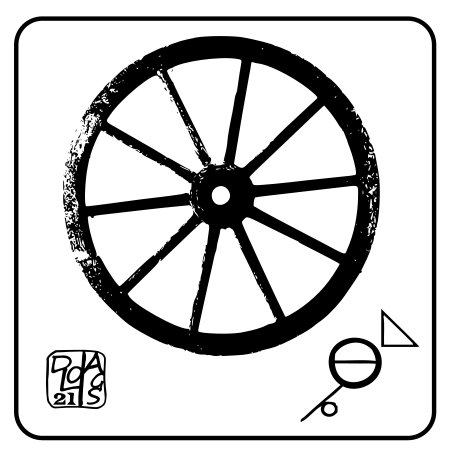

The waterwheel is one of the great inventions that enabled human societies to harness the forces of nature. Known in ancient times but widely developed during the Middle Ages, it converts the energy of water into mechanical motion. Installed on rivers and canals, it powers mills, hammers, sawmills, and irrigation systems. Its significance extends far beyond mere technology. It reshapes the organization of labor, fosters the growth of certain regions, and indirectly paves the way for subsequent industrial revolutions. The waterwheel illustrates a moment when societies learned to delegate physical labor to mechanical devices. It belongs to a long line of technologies based on rotation. In many European and Asian landscapes, it also became a familiar feature of the cultural environment. Its history shows that major innovations do not always originate in factories; they can emerge along the banks of a river.Lire la suiteroue hydraulique
Vous pouvez compléter, modifier, améliorer cette indéfinition ou en proposer une autre au regard de vos savoirs, langages, pratiques, histoire… qu’elle soit formulée sur un mode scientifique, culturel, poétique… contact@21dialogues21.org