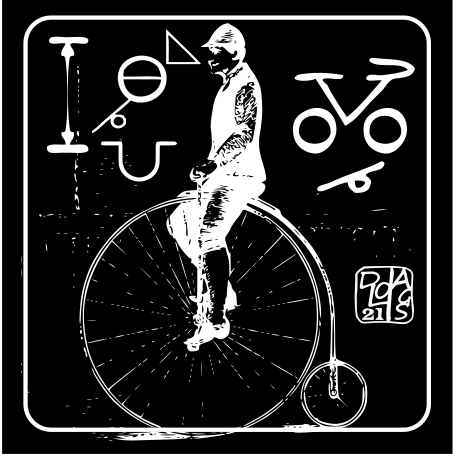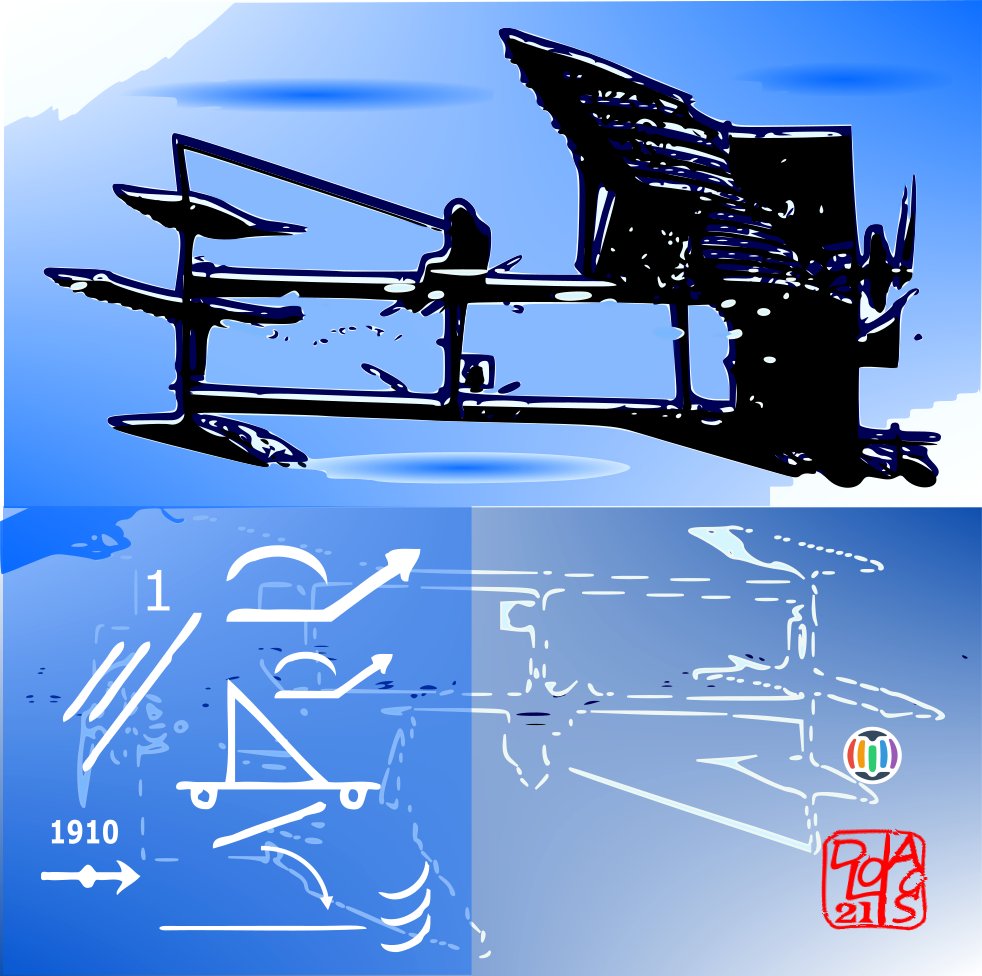
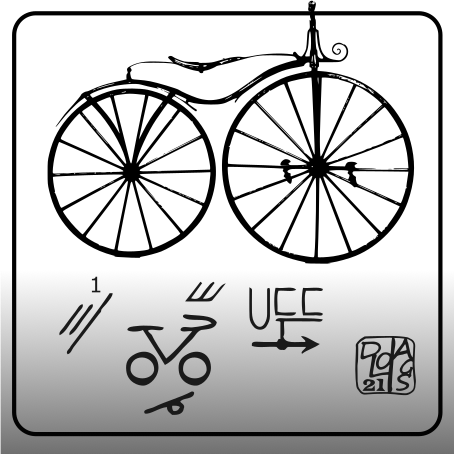
The term “velocipede” refers to several early types of bicycles developed in the 19th century. These machines represent a decisive milestone in the history of personal transportation. For the first time, a rider could cover significant distances using only their own muscle power, while benefiting from the mechanical efficiency of the wheels. The earliest models were often uncomfortable and difficult to handle, but they opened up a vast field of innovation. The velocipede contributed to the transformation of cities, leisure activities, and conceptions of movement. It also fostered a new relationship between the body and speed. Even before the automobile, it offered a modern experience of personal mobility. Its development spurred advances in metallurgy, bearings, tires, and road infrastructure. Through it, a culture of movement emerged that would profoundly shape the 19th and 20th centuries. The velocipede is thus one of the direct ancestors of the contemporary world of transportation.Lire la suitevélocipède
Vous pouvez compléter, modifier, améliorer cette indéfinition ou en proposer une autre au regard de vos savoirs, langages, pratiques, histoire… qu’elle soit formulée sur un mode scientifique, culturel, poétique… contact@21dialogues21.org