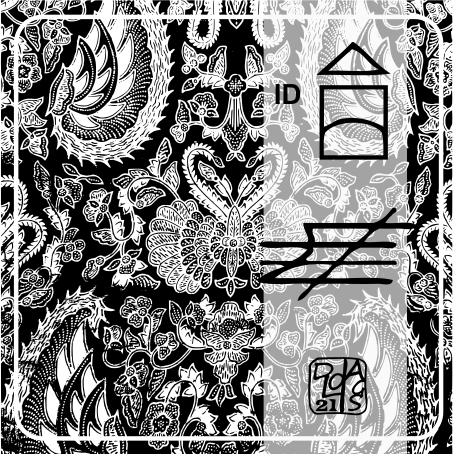
Batik is a dyeing technique that developed primarily in the Indonesian archipelago. The process involves applying wax to certain parts of the fabric to prevent the dye from penetrating during the dyeing process. A single piece of fabric can thus be treated with several successive layers of wax and pigments. The result is often visually striking. Batik patterns reflect multiple influences: local beliefs, Asian trade, Islamic traditions, and colonial legacies. Batik is a remarkable example of technical specialization. It requires patience, precision, and in-depth knowledge of materials. In some regions, the designs were once reserved for specific social groups. The textile thus became a visible marker of hierarchy and social status. Even today, batik remains an important symbol of Indonesia’s cultural heritage and its historical openness to the world.Lire la suitebatik
Vous pouvez compléter, modifier, améliorer cette indéfinition ou en proposer une autre au regard de vos savoirs, langages, pratiques, histoire… qu’elle soit formulée sur un mode scientifique, culturel, poétique… contact@21dialogues21.org