
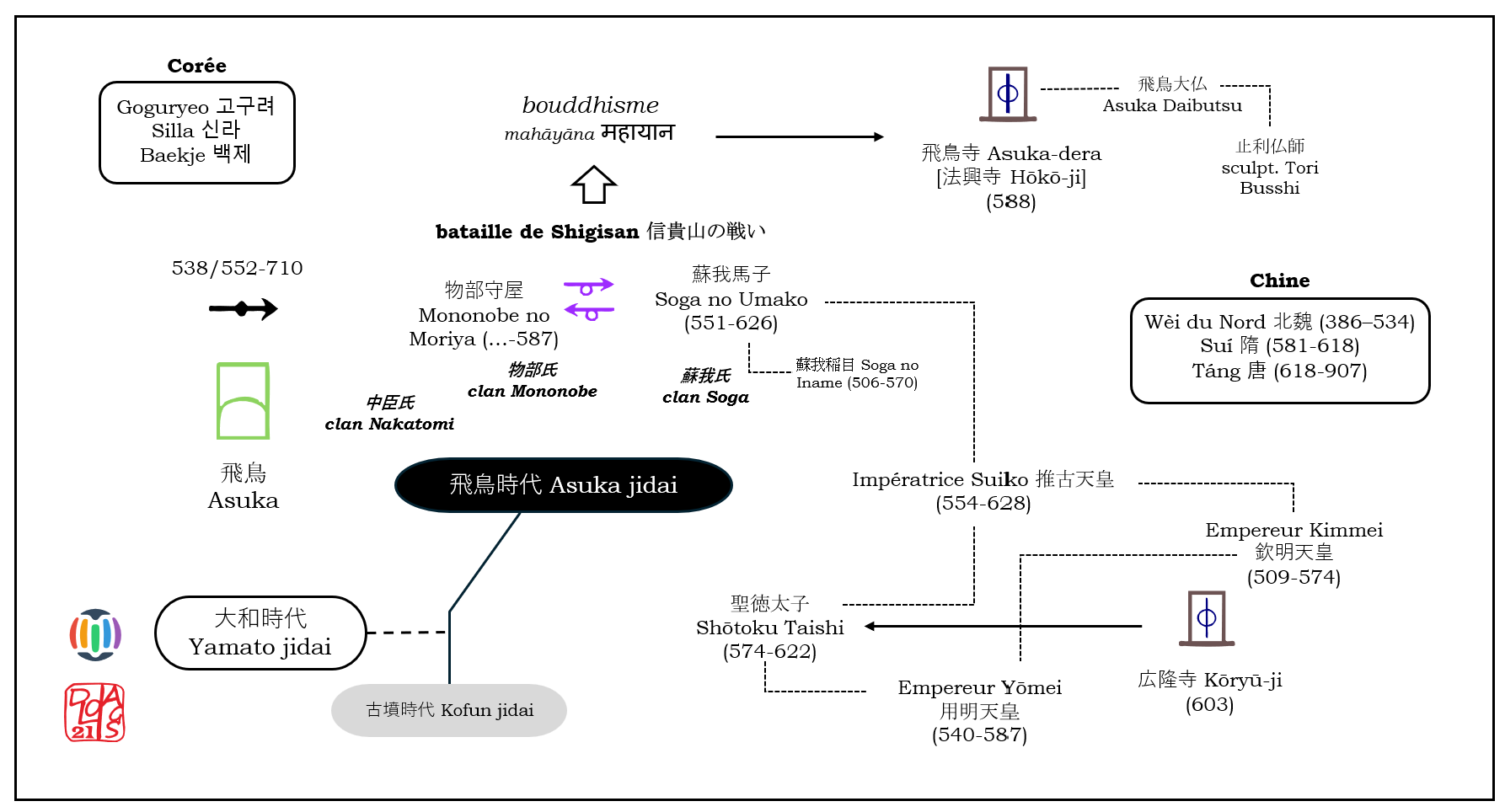
Soga no Umako (蘇我馬子) fut l’un des hommes d’État les plus influents de la période d’Asuka. Membre du puissant clan Soga (蘇我氏, Soga-shi), il joua un rôle déterminant dans la diffusion du bouddhisme et dans la transformation politique du Japon ancien. Héritier d’une famille favorable aux relations avec le continent, il poursuivit la politique de son père Soga no Iname…Lire la suiteSoga no Umako
Pantopique : Historia
Un pantopique correspond à la réunion de quelques repères, plus ou moins nombreux, que vous pouvez commenter, compléter, étendre, selon vos propres champs d’expériences, de savoirs, d’enquêtes… - contact@21dialogues21.org
Heijō-kyō (平城京), parfois désignée sous la lecture alternative Heizei-kyō, fut la capitale impériale du Japon de 710 à 784. Elle correspond à l’actuelle ville de Nara (奈良, Nara), dont elle constitue le noyau historique. Son établissement marque le début de la période de Nara (奈良時代, Nara jidai). La ville fut conçue selon un plan en damier inspiré de Cháng’ān (長安),…Lire la suiteHeijō-kyō
Tori Busshi (止利仏師), également appelé Kuratsukuri Tori (鞍作止利, « Tori le fabricant de selles »), fut le plus célèbre sculpteur bouddhique du Japon des VIe et VIIe siècles. Actif sous les règnes des souverains de la période d’Asuka, il appartenait à une famille d’artisans d’origine continentale installée à la cour de Yamato. Son grand-père aurait été un immigrant venu de…Lire la suiteTori Busshi
Le Kōryū-ji (広隆寺), situé dans le quartier d’Uzumasa (太秦) à Kyoto, est l’un des plus anciens temples bouddhiques du Japon. Selon la tradition, il fut fondé en 603 par le clan Hata (秦氏, Hata-shi), groupe d’immigrants d’origine continentale installé dans la région du Kinai. Le temple est étroitement associé à la mémoire du prince Shōtoku (聖徳太子, Shōtoku Taishi), auquel il…Lire la suiteKōryū-ji
Goguryeo (고구려, Goguryeo ; hanja 高句麗) fut le plus vaste et le plus septentrional des Trois Royaumes de Corée. Fondé traditionnellement en 37 av. J.-C., il occupait un territoire couvrant une grande partie du nord de la péninsule coréenne ainsi que certaines régions de la Mandchourie. Grâce à sa puissance militaire, Goguryeo s’imposa comme l’un des principaux États d’Asie du…Lire la suiteGoguryeo
La période Yayoi (弥生時代, Yayoi jidai) correspond à une phase de la préhistoire japonaise généralement située entre le Ve siècle av. J.-C. et le IIIe siècle apr. J.-C., bien que sa chronologie fasse encore l’objet de débats. Son nom provient du quartier de Yayoi (弥生) à Tokyo, où furent découverts à la fin du XIXe siècle des vestiges caractéristiques de…Lire la suitePériode Yayoi
La période Yamato (大和時代, Yamato jidai) désigne la longue phase de l’histoire ancienne du Japon au cours de laquelle le pouvoir fut progressivement concentré autour de la cour de Yamato, située dans l’actuelle préfecture de Nara. Elle couvre approximativement les années 250 à 710 et englobe généralement la période Kofun (古墳時代, Kofun jidai) et la période d’Asuka (飛鳥時代, Asuka jidai).…Lire la suitePériode Yamato
L’époque de Nara (奈良時代, Nara jidai) couvre la période comprise entre 710 et 794, lorsque la capitale du Japon fut installée à Heijō-kyō (平城京), l’actuelle ville de Nara (奈良). Cette période marque l’aboutissement des réformes politiques entreprises à l’époque d’Asuka et la mise en place d’un État fortement inspiré des modèles administratifs chinois. La capitale fut conçue selon un plan…Lire la suiteEpoque de Nara
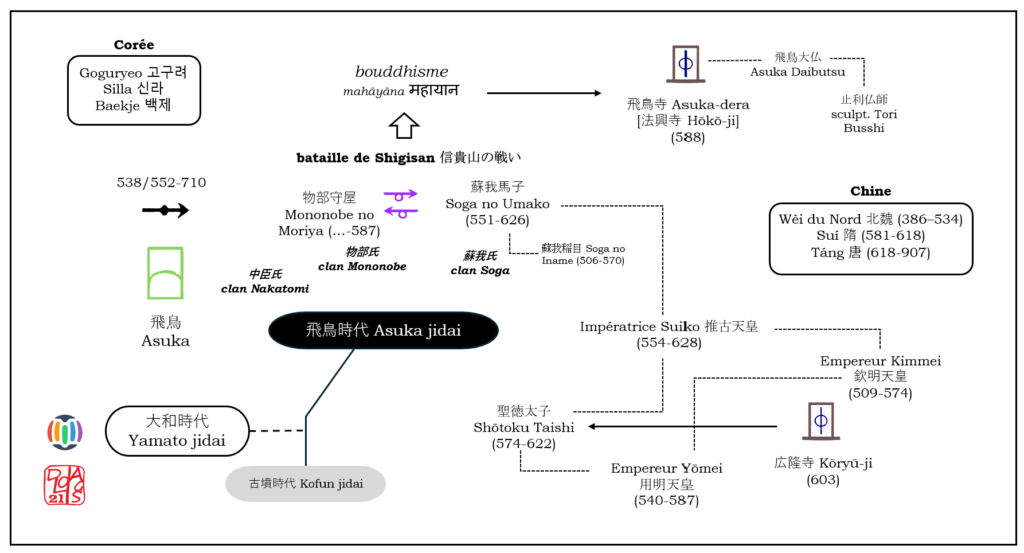
La période d’Asuka (飛鳥時代, Asuka jidai) désigne une phase de l’histoire japonaise s’étendant approximativement de 538 ou 552 à 710. Elle tire son nom de la région d’Asuka (飛鳥, Asuka), située dans l’ancienne province de Yamato (大和国, Yamato no kuni), où résidaient les souverains japonais de l’époque. Cette période est principalement caractérisée par l’introduction et l’enracinement progressif du bouddhisme (仏教,…Lire la suitePériode d’Asuka
Le temple Asuka-dera (飛鳥寺), également connu sous le nom de Hōkō-ji 法興寺, « Temple de la prospérité de la Loi bouddhique »), est considéré comme le premier grand temple bouddhique officiellement établi au Japon. Situé dans la région d’Asuka (飛鳥), au cœur de l’actuelle préfecture de Nara, il fut fondé à la fin du VIe siècle sous le patronage du…Lire la suiteAsuka-dera
Marie François Sadi Carnot (1837-1894) est un homme d’État français qui fut le quatrième président de la Troisième République. Petit-fils du savant Lazare Carnot, il est né à Limoges le 11 août 1837. Ingénieur de formation, il sort diplômé de l’École polytechnique avant d’entrer dans la carrière politique. Député puis ministre à plusieurs reprises, il se distingue par sa rigueur,…Lire la suiteMarie François Sadi Carnot
La Fille du régiment est un opéra-comique en deux actes de Gaetano Donizetti, sur un livret de Jules-Henri Vernoy de Saint-Georges et Jean-François Bayard. Créé à l’Opéra-Comique de Paris en 1840, il constitue l’un des plus grands succès du compositeur dans le répertoire français. Œuvre brillante et pleine de vitalité, elle associe la virtuosité du bel canto italien à l’esprit…Lire la suiteLa Fille du régiment

The Lyon Universal, International, and Colonial Exposition was held in 1894 at the Parc de la Tête d’Or. Organized between the Paris World’s Fairs of 1889 and 1900, it aimed to showcase the industrial, scientific, and commercial advances of the time. The event opened on April 29, 1894, and attracted numerous French and foreign exhibitors. Large pavilions were dedicated to industry, agriculture, the arts, and transportation. A major colonial section showcased the territories of the French Empire. Visitors discovered products, technologies, and cultures from around the world. The exposition also served as a venue for entertainment, featuring shows, concerts, and attractions. An electric tram provided transportation within the grounds. Lyon’s infrastructure was modernized to accommodate the millions of visitors expected. Mayor Antoine Gailleton played a key role in organizing the event. Among the exhibitors were the Michelin brothers, André and Édouard Michelin, who showcased their innovations in the field of tires and helped raise awareness of developments in the automobile and cycling industries. The exhibition was a huge popular success, attracting approximately 3.8 million visitors. However, it was marred by a tragic event. On June 24, 1894, the President of the French Republic, Sadi Carnot, was assassinated during an official visit to Lyon.Lire la suiteExposition universelle de Lyon – 1894
Stendhal, de son vrai nom Marie-Henri Beyle (1783-1842), fut un écrivain français majeur du XIXe siècle, connu pour ses romans réalistes et psychologiques. Né à Grenoble, il mène une vie mouvementée, alternant entre une carrière militaire, des voyages à travers l’Europe et des expériences amoureuses tumultueuses. Son pseudonyme, Stendhal, est inspiré par la ville allemande de Stendal, où il séjourne…Lire la suiteStendhal
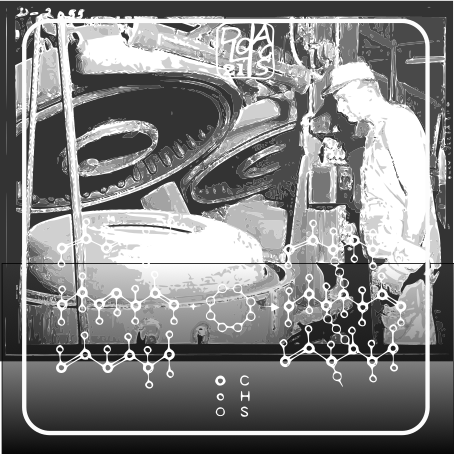
Charles Goodyear est connu pour avoir découvert la vulcanisation du caoutchouc, une avancée majeure qui a transformé l’industrie moderne. Au début du XIXᵉ siècle, le caoutchouc naturel présentait de graves défauts : il devenait collant sous l’effet de la chaleur et cassant lorsqu’il faisait froid. Ces limites empêchaient son utilisation à grande échelle malgré ses propriétés prometteuses. Passionné par ce…Lire la suitePetite histoire de vulcanisation
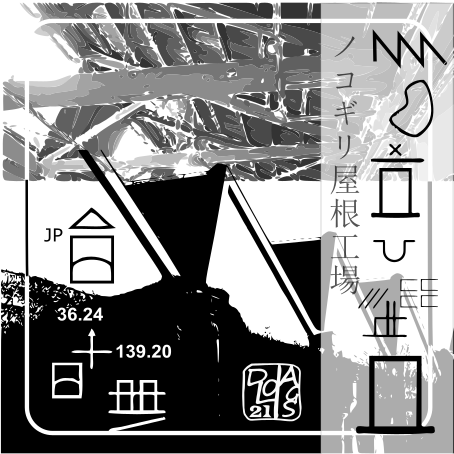
The “sawtooth-roofed factories” (Nokogiri-yane-koujou | ノコギリ屋根工場) are among Kiryu’s architectural landmarks. Their distinctive silhouette is the result of an ingenious adaptation to the needs of the modern textile industry. The north-facing glass walls provide the steady light essential for thread work and fabric inspection. In Kiryu, these buildings became ubiquitous during the period of industrial expansion in the late 19th and early 20th centuries. They embody a convergence of architecture, production, and artisanal craftsmanship. While large chimneys often symbolize Western industry, the sawtooth roofs here represent a different image of modern manufacturing. Their preservation in the urban landscape still allows us today to understand the city’s economic organization. These buildings are to Kiryu what the spinning mills are to Manchester or the canuts to Lyon.Lire la suiteNokogiri-yane-koujou
Jean-Auguste-Dominique Ingres, né à Montauban en 1780 et mort à Paris en 1867, est l’un des grands maîtres du néoclassicisme français. Élève de Jacques-Louis David, il s’impose comme le défenseur de la ligne, du dessin et de l’idéal antique, face au romantisme naissant. Son art, à la fois rigoureux et sensuel, exprime une recherche d’harmonie et de perfection formelle. Après…Lire la suiteJean-Auguste-Dominique Ingres
Honoré de Balzac (1799-1850) fut un écrivain français, l’un des plus éminents du XIXe siècle, connu pour son œuvre monumentale « La Comédie humaine ». Né à Tours, il monte à Paris pour étudier le droit, mais il abandonne rapidement cette carrière pour se consacrer à l’écriture. Après des débuts littéraires difficiles sous divers pseudonymes, il connaît le succès avec « Les Chouans »…Lire la suiteHonoré de Balzac
Horace Vernet, né à Paris en 1789 et mort en 1863, est un peintre renommé du XIXᵉ siècle, issu d’une lignée d’artistes : petit-fils de Joseph Vernet, célèbre pour ses marines, et fils de Carle Vernet, peintre de batailles et de chevaux. Héritier de cette tradition, Horace Vernet se distingue très tôt par son talent et son goût pour la…Lire la suiteHorace Vernet
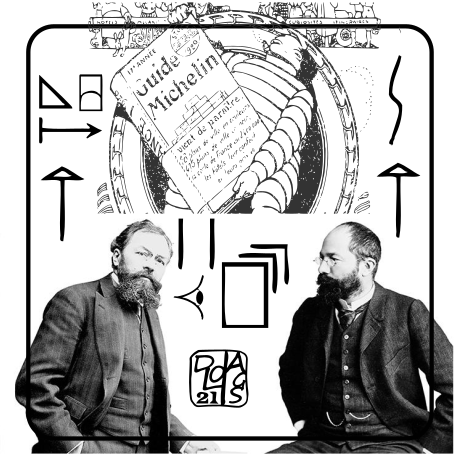
The Michelin Guide was launched at the turn of the 20th century, at a time when automobiles were still a rarity. Its initial goal was simple: to encourage travel and thereby promote the use of tires. To assist drivers, the guide provided practical information on roads, repair shops, and places to eat. Over time, the publication underwent a profound transformation. Its restaurant reviews eventually became its most famous feature. Michelin stars gradually gained global influence over the reputations of restaurants and chefs. The guide reflects how mobility transforms eating habits. Traveling involves eating, discovering new places, and exploring culinary traditions. Tires, roads, and gastronomy are thus linked within a single narrative. The Michelin Guide perfectly illustrates the sometimes unexpected cultural consequences of technical innovation.Lire la suiteGuide Michelin